

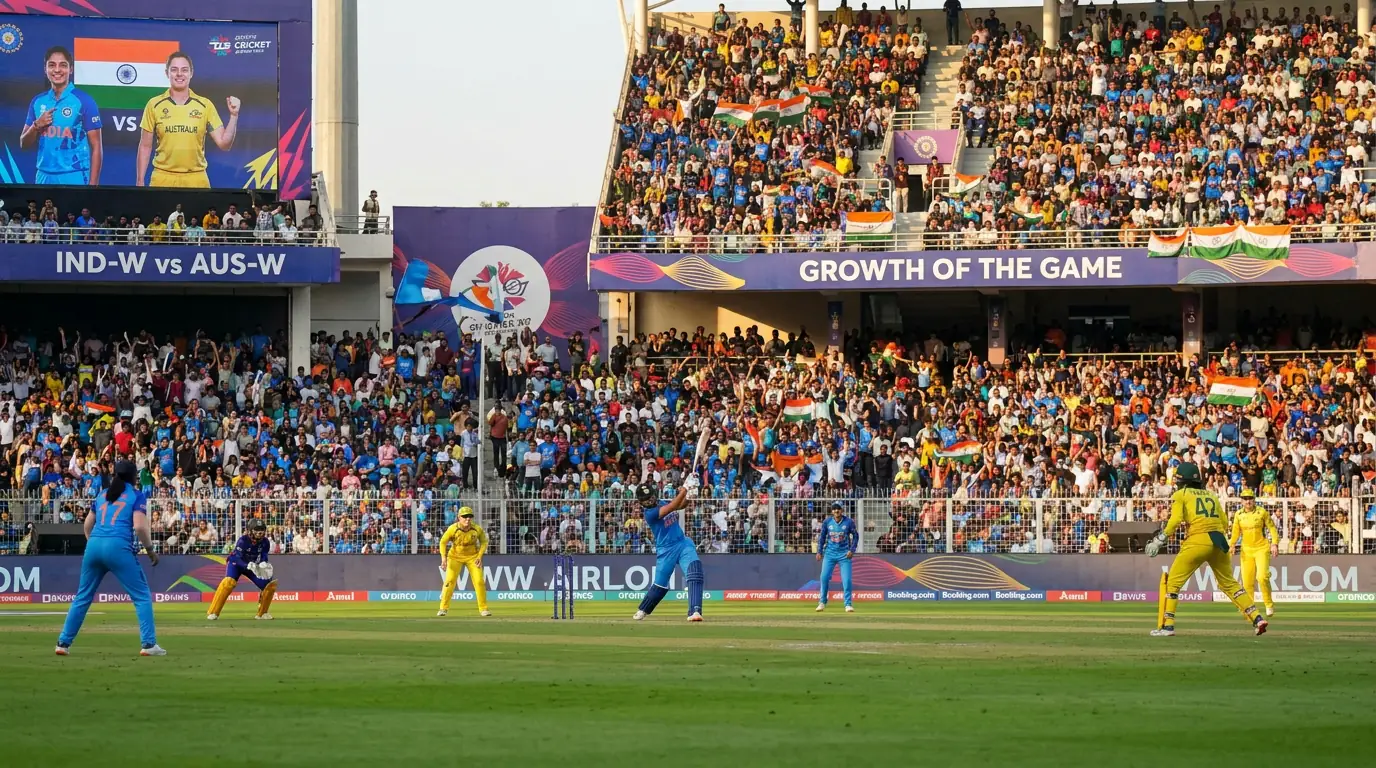
Over 2.5 million fans have attended The Hundred across its first five seasons, and 1.5 million of those tickets were for women’s matches. That is not a sideshow audience. That is a fanbase large enough to sustain serious betting interest, and UK bookmakers are responding — slowly, unevenly, but unmistakably. Women’s cricket betting is the fastest-growing segment of the sport’s wagering market, and bettors who understand its current state are positioning themselves for a category that is expanding every season.
I started tracking women’s cricket markets in 2022, initially out of curiosity about pricing quality. What I found surprised me: the odds on women’s cricket matches were noticeably wider than on equivalent men’s fixtures, the market depth was thinner, and the pricing reflected less analytical rigour from the bookmakers. Those conditions — wide margins, thin markets, and lazy pricing — are exactly the conditions where an informed bettor can find value. They are also the conditions that typically improve as the market matures, which means the current window of opportunity is temporary.
Coverage of Women’s Cricket on UK Betting Platforms
Coverage has expanded significantly since 2021 but remains inconsistent. Every major UKGC-licensed bookmaker now lists women’s international cricket — Tests, ODIs, and T20Is — and most cover The Hundred women’s competition and the Women’s T20 World Cup. Beyond these events, coverage drops off sharply. The Women’s Premier League (WPL) has growing coverage among UK operators, but domestic women’s cricket in England (the Charlotte Edwards Cup, the Rachael Heyhoe Flint Trophy) is covered by only a handful of platforms.
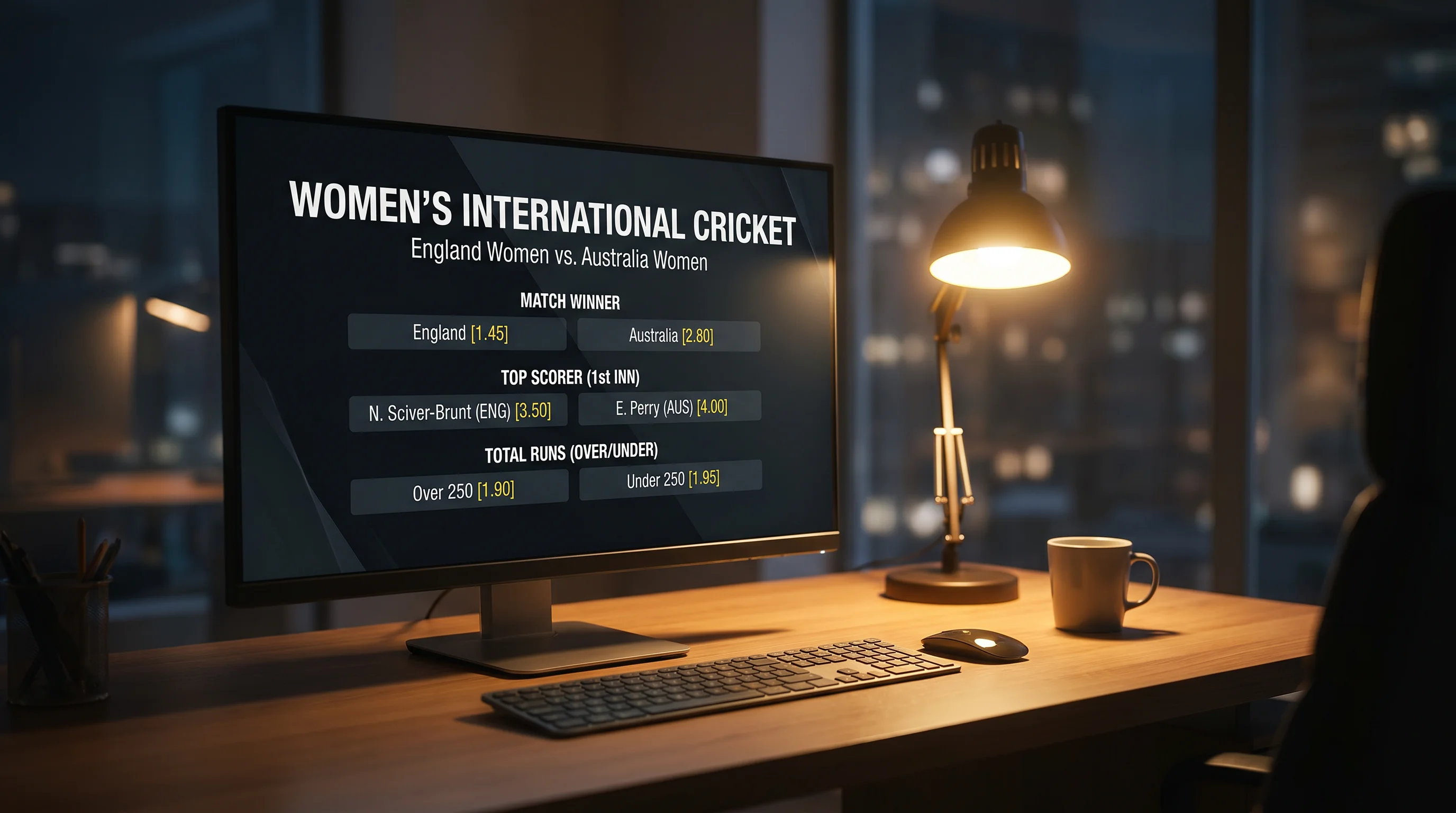
The inconsistency matters for bettors who want to specialise. If you develop expertise in a specific women’s competition — say, the WPL or women’s Ashes — you need a bookmaker that actually lists markets for those events with sufficient depth. A platform that offers match winner and nothing else for women’s ODIs is not a serious proposition for a bettor looking to apply analytical edge to player or phase-specific markets.

I maintain accounts at three bookmakers specifically for women’s cricket, chosen for their market depth rather than their overall brand prominence. The operators with the deepest women’s cricket coverage are not always the biggest names — some mid-sized operators have invested in women’s cricket trading teams and offer markets that the major platforms do not.
Betting Markets for Women’s Cricket
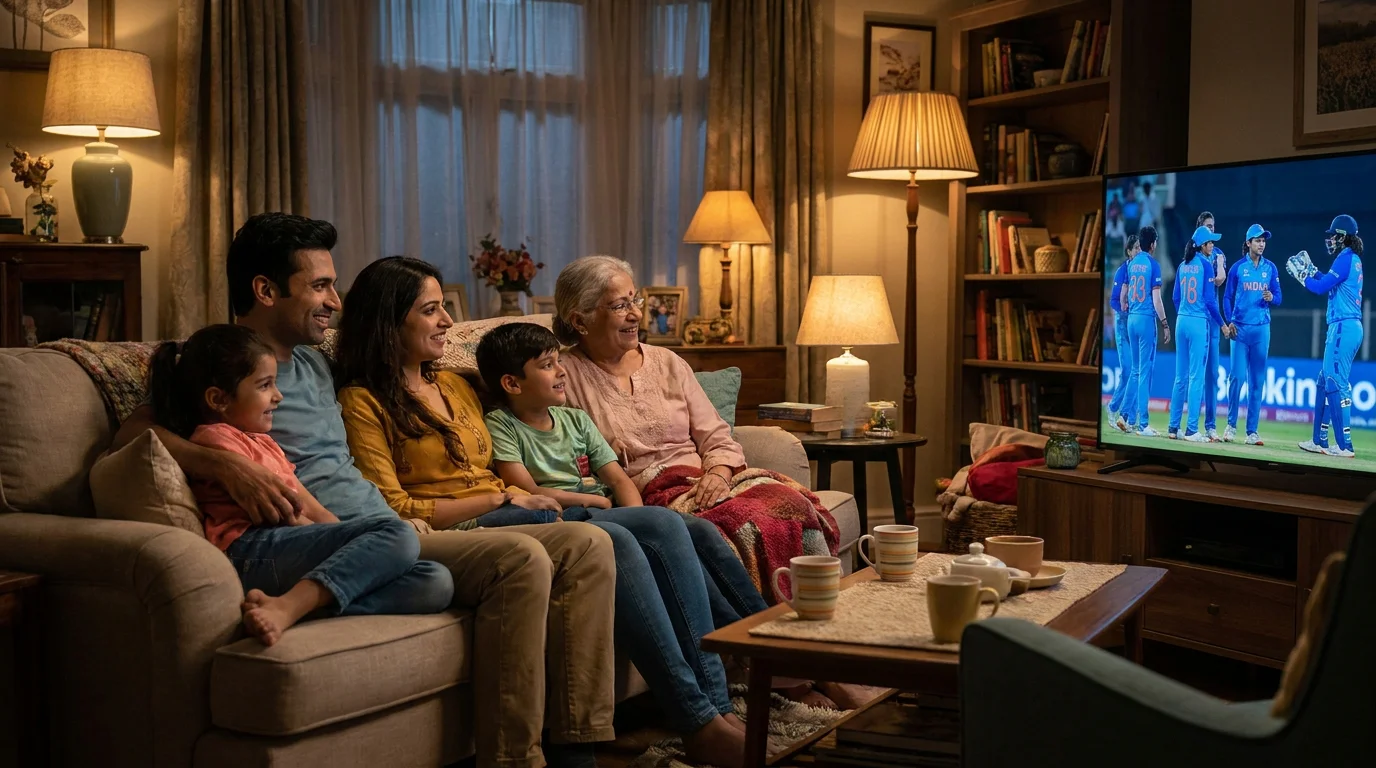
The Hundred’s demographic data shows that 23% of tickets go to children, 41% to families, and 30% to female purchasers — a fan profile that is broader and younger than for men’s county cricket. That audience diversity is gradually translating into broader betting market coverage as operators recognise the commercial opportunity.
Match winner is universally available for women’s internationals and major franchise events. Top batswoman and top bowler are offered by most operators for internationals and The Hundred women’s matches, though player markets for lower-profile women’s fixtures are rare. Over/under total runs is available for most covered matches, and some operators offer innings runs markets for individual innings.
In-play markets for women’s cricket are the biggest gap. While men’s internationals and IPL matches feature 30 or more live markets, women’s matches typically offer match winner in-play only, with occasional addition of next wicket method or next over runs during high-profile fixtures. Ball-by-ball markets for women’s cricket are effectively non-existent on UK platforms. This gap limits the options for bettors who prefer live wagering, but it also means that the pre-match markets are the primary opportunity — and pre-match markets are where analytical preparation has the most impact.
Outright futures — tournament winner, top run scorer, top wicket taker — are available for the Women’s T20 World Cup, women’s Ashes, and The Hundred women’s competition. These markets open early and offer the most value before the tournament begins, when the bookmaker’s pricing is least informed by live performance data.
The Hundred Women’s Competition as a Betting Event
Vikram Banerjee, the ECB’s Managing Director for The Hundred, called it a “hugely exciting time” for the competition and emphasised the importance of strong crowds and viewing figures. For the women’s competition specifically, the trajectory is remarkable. Attendance has grown every season, broadcast viewership is rising, and the franchise model has attracted significant investment that includes both men’s and women’s teams.

For bettors, The Hundred women’s competition has reached a tipping point. Enough matches have been played across five seasons to build meaningful statistical profiles of players and teams. The draft structure creates squad combinations that differ from international alignments, which produces pricing inefficiencies similar to those in the men’s Hundred — domestic players are underpriced relative to international stars, and bettors with knowledge of county and domestic women’s cricket have an edge.
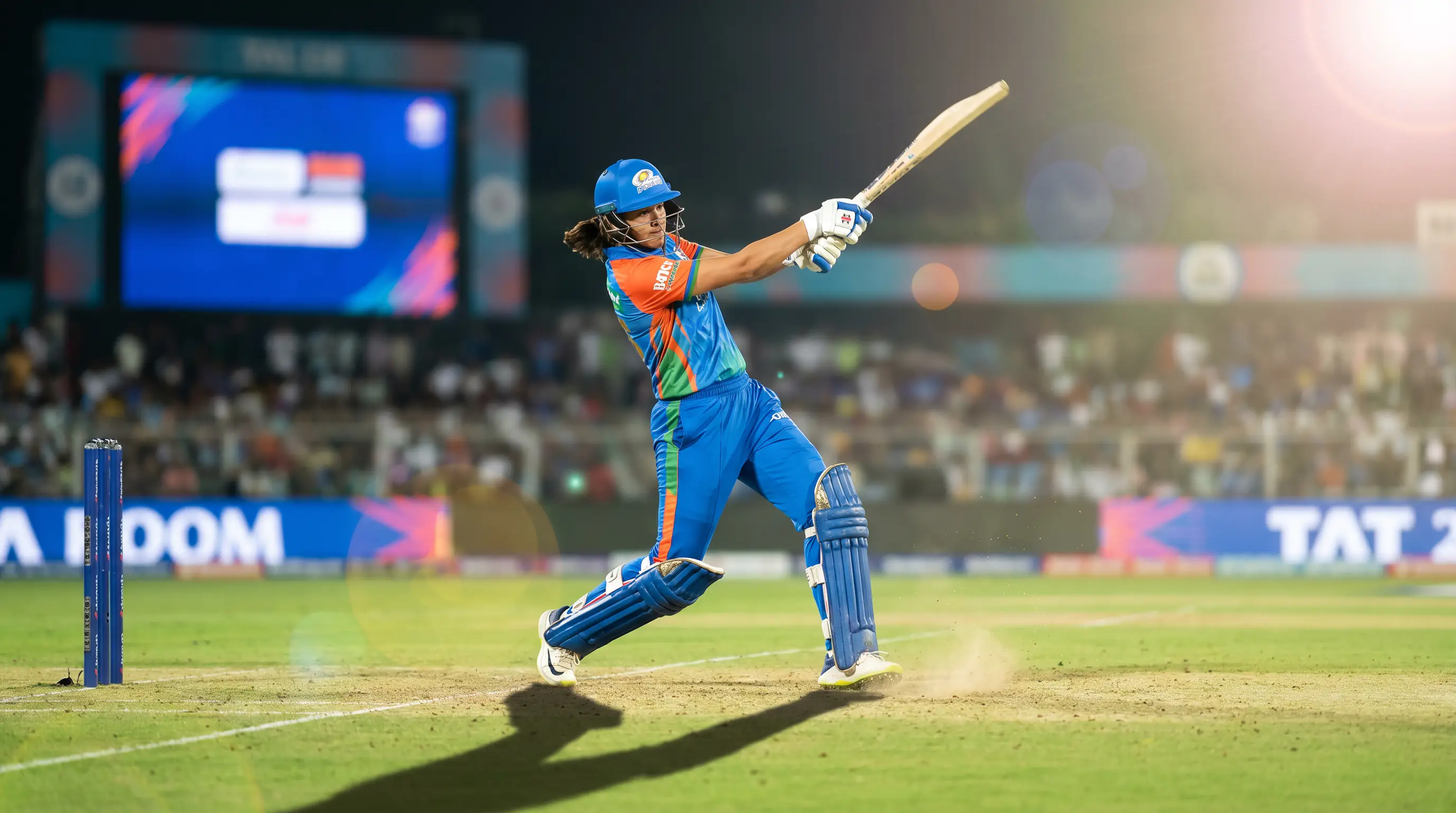
The 100-ball format amplifies the impact of individual performances in women’s cricket even more than in men’s. Women’s T20 and Hundred matches tend to have lower run totals, which means a single strong innings — 60 or 70 runs from a top-order batter — can decisively influence the match outcome. That concentration of influence makes the top batswoman market particularly interesting: in lower-scoring matches, the player who scores the most runs has an outsized effect on who wins, and the market does not always price that correlation correctly.
Growing Coverage and Future Betting Potential
The direction of travel is clear. Every year, more operators list more women’s cricket markets with greater depth. The Women’s Premier League has accelerated this trend by creating a franchise T20 competition with marquee players, broadcast deals, and global visibility. UK bookmakers that already cover the IPL are extending their cricket trading infrastructure to the WPL, which means WPL market depth is growing faster than organic demand alone would produce.
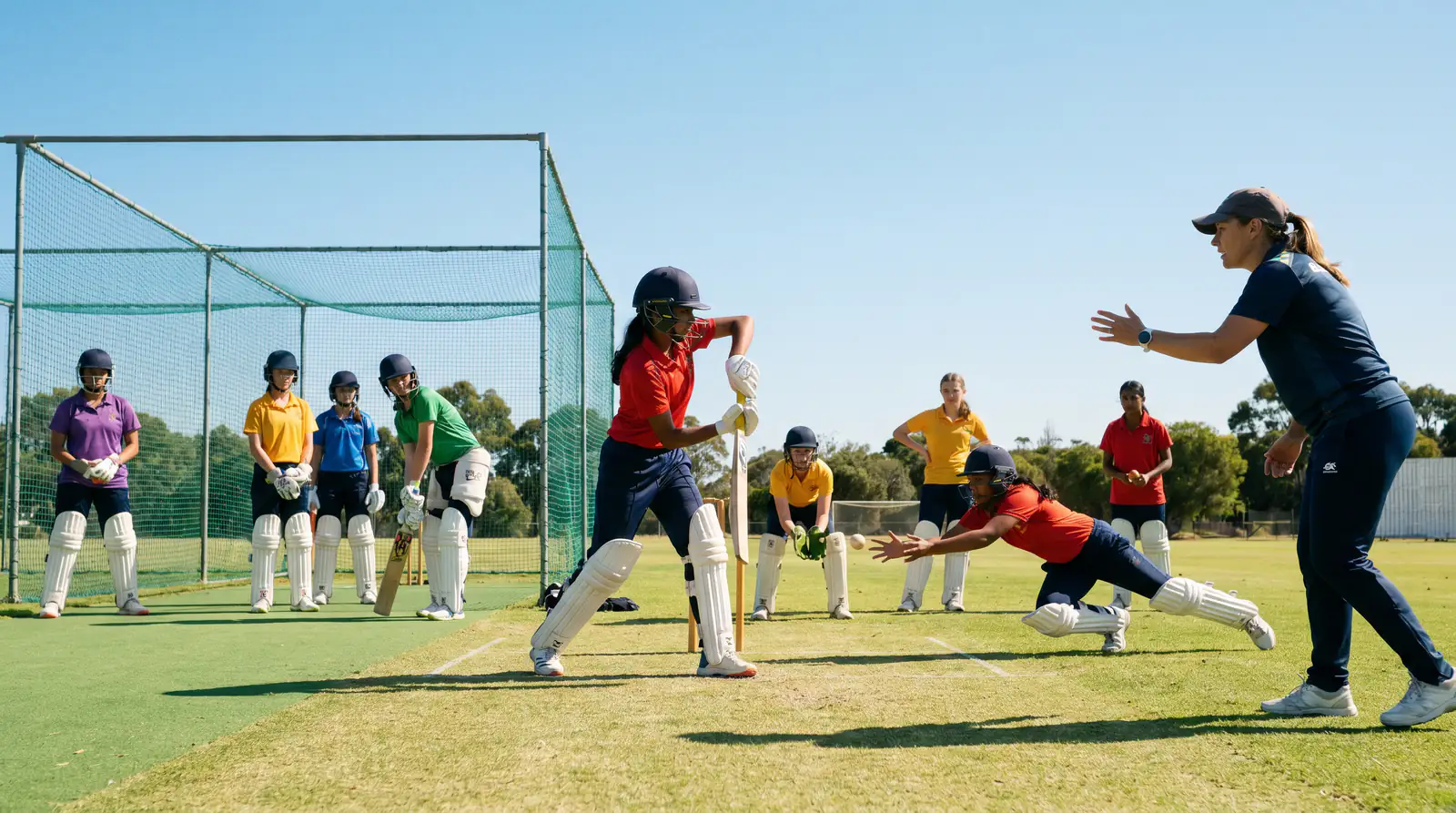
Women’s Test cricket remains a niche within a niche for betting purposes. Only three or four women’s Tests are played each year globally, and market coverage is limited. However, the women’s Ashes — played as a multi-format series combining Tests, ODIs, and T20Is — is covered by every major UK operator and generates meaningful betting volume during the series window.
For bettors looking to develop a specialism, women’s cricket offers a rare combination: a growing market with expanding coverage, pricing that has not yet matured to the efficiency levels of men’s cricket, and a fan and data ecosystem that is evolving rapidly. The bettors who build expertise now — learning player profiles, venue characteristics, and format-specific dynamics — will hold a significant informational edge as the market grows. For context on how The Hundred fits within the broader landscape, The Hundred betting covers both men’s and women’s competitions in depth.
Articles
Created by the "cricketbettingwebsites.com" editorial team.
