
UK Cricket Betting Websites: The Data-Driven Guide for 2026
Data-Driven Cricket Wagering Intelligence
 Available in US
Loading...
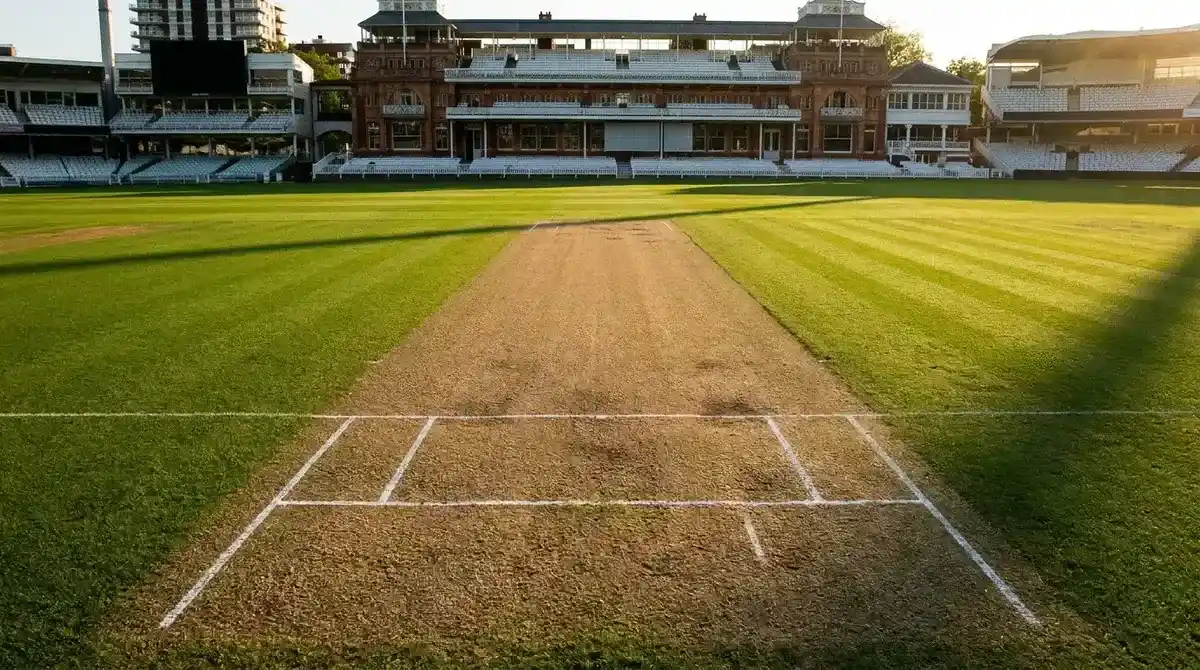
Nine years ago, I placed my first cricket bet — a match winner wager on an Ashes Test at Edgbaston that I sized entirely on gut feeling. I lost. Not because the pick was wrong (England won by eight wickets), but because I chose an operator with thin cricket markets, ignored the odds quality, and had no framework for evaluating what I was doing. Most guides on UK cricket betting websites would have told me to "pick a licensed site with good bonuses" and left it there. That advice is roughly as useful as telling someone to "buy a good car."

This guide exists because cricket wagering in the UK deserves sharper analysis. The market generates roughly 52 million pounds annually — a figure that none of the top-ranking competitor pages bother to mention. That number represents about 2.2% of the 2.37 billion pound online sports betting sector, which makes cricket a niche worth taking seriously but one where operator quality varies dramatically. Some platforms treat cricket as an afterthought with five or six pre-match markets per fixture. Others offer fifty-plus in-play options down to ball-by-ball level.
What I have built here is a framework grounded in verifiable data: market sizing, regulatory shifts, odds mechanics, and format-specific considerations that actually affect your returns. I will walk through what the UK cricket betting landscape looks like right now, how the April 2026 tax overhaul is already reshaping operator behaviour, and which evaluation criteria matter when you are choosing where to place your money. Whether you are assessing your first cricket bookmaker or auditing the one you already use, every claim in this guide traces back to a number or a documented source — not a vague editorial opinion.
The Five Numbers That Shape UK Cricket Betting Right Now
- UK cricket betting generates roughly 52 million pounds annually — about 2.2% of the online sports betting sector — with 7% of UK sports bettors actively wagering on cricket.
- Between 55% and 60% of all UK cricket bets are placed in-play, making live market quality the single most important factor when choosing a platform.
- The Remote Gaming Duty doubled from 21% to 40% in April 2026, putting direct pressure on odds, bonus generosity, and operator viability across the market.
- Over 70% of UK bets now happen on mobile, so an operator's app is its real product — not an optional add-on.
- Among online sports bettors, 7.2% meet the threshold for problem gambling on the full PGSI, making responsible gambling tools a non-negotiable evaluation criterion.
UK Cricket Betting Market in Numbers
Last summer, a colleague asked me whether cricket betting in the UK was "big enough to bother with." I pulled up the numbers and watched his expression change. The short answer: it is not football-sized, but it is growing faster than almost anything else on the sportsbook menu, and the bettors who do engage are remarkably sticky.
Annual UK Cricket Betting Revenue
~52 million pounds, representing 2.2% of the online sports betting sector
UK Sports Betting Market Revenue
11.2 billion dollars in 2024, projected to reach 21.3 billion dollars by 2030
Total Remote GGY
7.8 billion pounds for April 2024 to March 2025, up 13.1% year on year
Cricket Bettor Share
~7% of UK sports bettors wager on cricket
Start with the headline figure. UK cricket betting generates approximately 52 million pounds per year — a slice of the 2.37 billion pound online sports betting sector that translates to around 2.2% market share. That sounds modest until you consider the trajectory. The broader UK sports betting market pulled in 11.2 billion dollars in revenue during 2024 and is projected to nearly double to 21.3 billion dollars by 2030, growing at a compound annual rate of 11.4%. Cricket is riding that wave with its own momentum: globally, the sport is expected to be the fastest-growing segment in sports wagering through to 2030.
The scale of the overall remote gambling economy in the UK gives useful context here. Total gross gambling yield from remote casino, betting, and bingo reached 7.8 billion pounds in the year spanning April 2024 to March 2025 — a 13.1% jump over the prior year. Online channels now dominate: nearly 78.5% of UK sports betting revenue comes through digital platforms rather than high-street shops. That shift matters because it concentrates competition among operators fighting for screen time, which ultimately benefits bettors through better odds and deeper market coverage.
Roughly 7% of UK sports bettors place wagers on cricket. That sounds like a narrow segment, but it represents a loyal and deeply engaged audience — the kind of bettors who follow pitch reports, track squad rotation, and understand the difference between a Kookaburra and a Dukes ball. Cricket bettors tend to return consistently rather than dipping in for occasional accumulators.
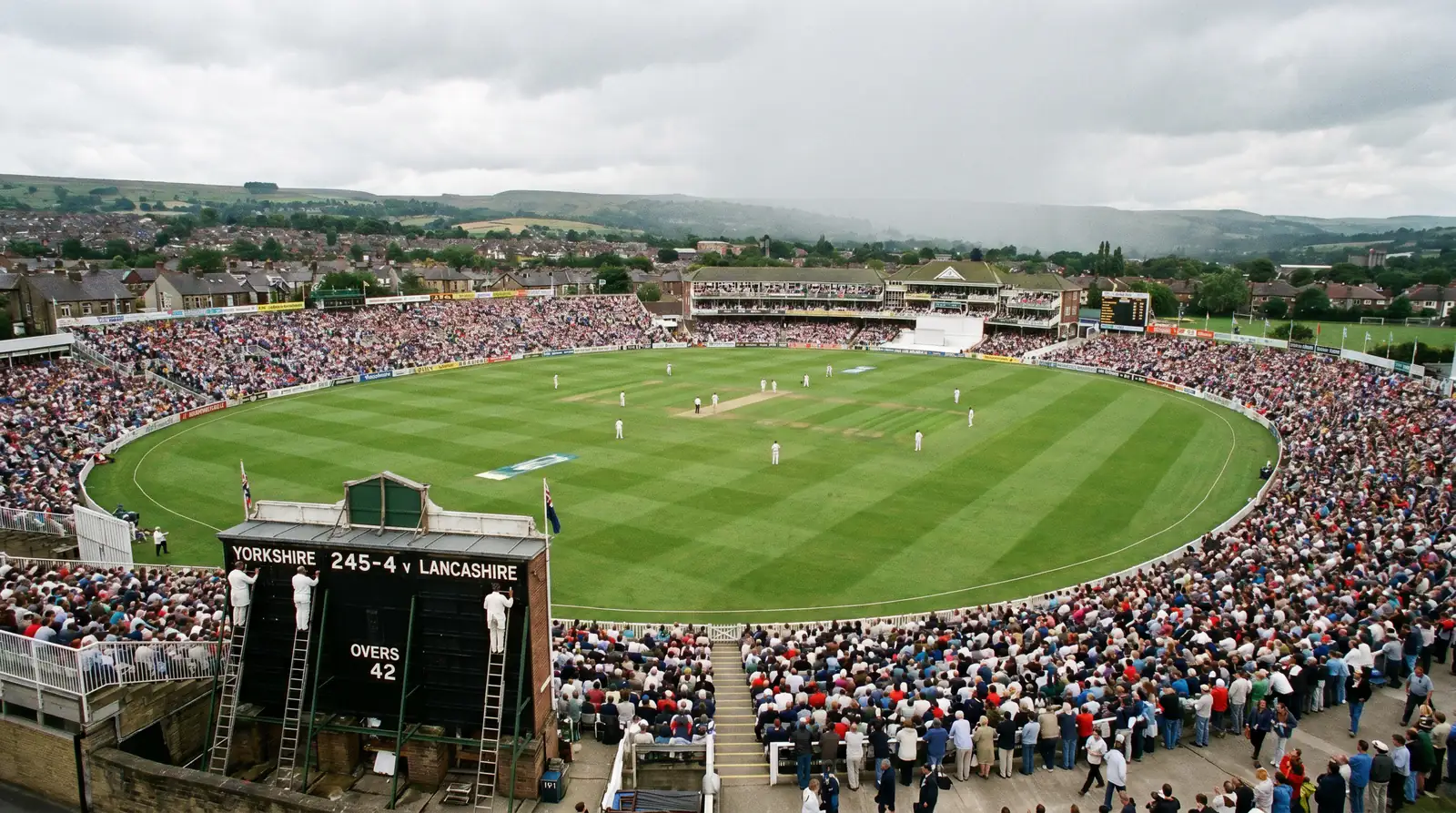
The participation numbers paint a picture of an active market. Around 10% of the UK adult population engages in online sports betting, and approximately 290 million online bets on real-world events are placed every month across the country. Cricket occupies a distinct position within that activity — it is not a casual punt sport for most. The 7% figure reflects people who specifically seek out cricket markets, follow form, and often bet across multiple formats throughout the year. That behavioural profile matters when you are evaluating bookmaker quality, because it means cricket bettors notice when an operator skimps on market depth or offers stale odds.
The global picture reinforces the growth story. Estimates for the worldwide cricket betting market range from 76.5 billion dollars to 113.5 billion dollars depending on methodology and whether unregulated markets are included, with projections reaching anywhere from 151 billion dollars to 224 billion dollars by the early 2030s. The UK represents the most tightly regulated corner of that global market, which shapes everything from the odds you see to the promotions operators can legally offer. Understanding the size and growth of this market is not academic — it directly influences how much attention bookmakers dedicate to cricket coverage, which in turn affects the quality of your betting experience.
What Separates Strong Cricket Betting Sites From the Rest
I once spent an entire IPL season splitting my bets across six different UK-licensed platforms just to see how they compared under real conditions. The differences were not subtle. One site consistently posted match winner odds ten to fifteen minutes after competitors. Another offered twenty-five in-play markets for a T20 while a rival managed eight for the same fixture. The betting and gaming industry, as the Betting and Gaming Council's chief executive Michael Dugher has noted, is a hugely significant contributor to the leisure industry, to sport, and to the UK economy as a whole — but that significance does not distribute evenly across every operator.
The first thing that separates serious cricket platforms from the rest is market depth. A baseline cricket site will give you match winner, top batsman, top bowler, and maybe an over/under on runs. A strong one covers innings runs by batting order position, method of first dismissal, individual over totals, and boundary counts — then mirrors most of those for the live session. When I tested platforms during the 2025 County Championship, the range was staggering: some offered a grand total of four markets per match, while one provided over forty, including session-by-session propositions that you rarely see outside of Test-specialist platforms.
Odds quality is the second separator, and it is the one that compounds over time. The difference between fractional odds of 5/6 and 10/11 on the same match winner market looks trivial on a single bet. Over a hundred bets at a consistent 20 pound stake, it adds up to a meaningful gap in returns. The concentration of the UK market is relevant here: the two largest operators by search advertising share captured more than 50% of paid-click traffic in early 2026, with one brand alone commanding nearly 38% of PPC clicks in the sports betting category. That dominance gives the biggest players pricing power, but it also means smaller, hungrier operators sometimes offer sharper cricket odds to attract exactly the kind of engaged bettor who bothers to compare.
Market Depth
The number of pre-match and in-play markets per fixture. Strong sites offer 30+ markets for international T20s and 15+ for domestic cricket. Weak ones cluster around 5-8.
Odds Consistency
How competitive the prices are across a full season, not just on marquee events. The real test is county cricket and bilateral ODI series — events where lazy operators widen margins because fewer bettors are watching.
Live Coverage Speed
How quickly in-play odds update after a wicket, boundary, or over completion. Latency of more than three seconds on a T20 market makes in-play betting unreliable.
The third factor is cricket-specific feature quality. Cash out availability during live cricket, bet builder tools that actually accommodate cricket markets (not just football ones repurposed with a cricket skin), and streaming or live data feeds that let you follow the action without switching apps — these are the details that reveal whether an operator treats cricket as a priority or a checkbox. I have encountered platforms where the bet builder simply did not support combining top batsman with over/under runs on the same match, a combination that any serious cricket punter considers basic.
Payment processing speed also matters more than most guides acknowledge. During high-volume events like an Ashes series or IPL knockout rounds, I have seen withdrawal processing times vary from two hours on one platform to five business days on another for the same payment method. When you are managing a bankroll across a tournament, the difference between same-day access to winnings and a week-long wait changes how you can operate.

Finally, customer support with genuine cricket knowledge is rarer than it should be. I have contacted support teams with questions about settlement rules for rain-affected matches and received answers that contradicted the platform's own terms. The best operators have support agents who understand Duckworth-Lewis-Stern adjustments, dead heat rules on player markets, and the distinction between "match abandoned" and "no result" for settlement purposes. The worst give you a generic script and a link to the T&Cs.
How We Evaluate Cricket Betting Websites
Every time I read a "best cricket betting sites" list that ranks operators by how generous their welcome bonus is, I want to close the tab. A 30 pound free bet tells you almost nothing about whether a platform will serve you well across a six-month cricket season. Over nine years of assessing UK cricket betting websites, I have settled on an evaluation framework that weights the factors most likely to affect your actual returns and experience — and deprioritises the ones that only matter on day one.
The framework is not a secret formula. It is a checklist grounded in practical criteria, applied consistently. Every element below is something I verify through direct testing, not by reading an operator's marketing copy. If you are serious about choosing — or switching — your cricket betting platform, run through this list before depositing a penny. For a fuller walkthrough of the process from registration to first wager, the step-by-step cricket betting guide covers the mechanics in detail.

Cricket Betting Website Evaluation Checklist
- UKGC licence verified directly on the Gambling Commission public register — not just a logo on the site footer
- Minimum 20 pre-match markets on international cricket fixtures and 10+ on domestic matches
- In-play cricket markets available with sub-five-second odds refresh on T20 and ODI formats
- Cricket-specific bet builder supporting at least three-leg combinations across player and match markets
- Cash out available on both pre-match and live cricket bets, including partial cash out
- Withdrawal processing within 24 hours for at least one payment method
- Responsible gambling tools accessible within two clicks from any page: deposit limits, session timers, and self-exclusion
- Cricket odds margin below 6% on major international match winner markets
- Mobile experience with full feature parity — no markets, bet types, or promotions exclusive to desktop
- Settlement rules for rain-affected and abandoned cricket matches clearly documented and accessible before placing a bet
Two items on that list deserve emphasis. First, the odds margin check. Most UK operators run margins between 4% and 8% on cricket match winner markets, but that range widens considerably for player markets, exotic propositions, and less popular competitions. A margin of 5% on an IPL match winner is competitive; 5% on a County Championship Division Two fixture would be genuinely impressive. I always check margins on at least three different fixture types before forming a view on an operator's pricing.
Second, the responsible gambling tools check. This is not a box-ticking exercise. An operator that buries its deposit limit controls behind four submenus and a pop-up confirmation is signalling something about its priorities. The best platforms surface these tools prominently and make adjustment instant. That matters not just ethically — it also correlates, in my experience, with broader operational quality. Sites that take responsible gambling seriously tend to take settlement accuracy and odds integrity seriously too.
Core Cricket Betting Markets at a Glance
When I first started wagering on cricket, I assumed "match winner" was the only market worth tracking. It took a single rain-disrupted ODI — and a voided bet I did not understand — to teach me that the market you choose shapes your risk as much as the pick itself. UK bookmakers now offer a wide range of cricket-specific markets, and understanding the basic categories is essential before you go anywhere near the deeper strategies.
The foundation is the match winner market, sometimes listed as "match result" when a draw is included as a third option. In T20 and ODI cricket, this is a two-way market — one side or the other wins. In Test matches, the draw becomes a genuine third possibility, which changes the odds structure entirely. Beyond match-level markets, player performance propositions let you wager on individual outcomes: top batsman (highest run scorer in a team or the match), top bowler (most wickets), individual player runs over/under lines, and dismissal method props.
| Market | Typical Odds Range | Implied Probability |
|---|---|---|
| Match winner (T20, evenly matched) | 10/11 to evens | ~50% each side |
| Top batsman (named player) | 7/2 to 9/1 | ~10% to 22% |
| Over/under total runs (ODI) | 5/6 to 10/11 | ~52% to 55% |
| Match winner (Test, three-way) | 6/4 to 3/1 per outcome | Varies with draw priced in |
Innings-level markets are where cricket's format diversity starts to show. You can wager on total innings runs using over/under lines — typically set around 160 to 175 for a T20 innings and 250 to 280 for an ODI first innings, depending on venue and conditions. Boundary markets let you bet on how many fours or sixes a team will hit. Run-scoring markets for specific overs — particularly powerplay and death-over segments in limited-overs cricket — offer granular propositions that reward close attention to form and match-ups.
Futures and outright markets extend the scope beyond individual matches. Tournament winner, top tournament run scorer, top tournament wicket taker, and series correct score markets let you hold positions across multi-week events like the Ashes or an IPL season. These tend to carry wider margins than match-level markets but offer the advantage of locking in value early when the market has not yet priced in squad changes, injuries, or form shifts. For a thorough breakdown of every market type and how each functions across formats, the full cricket betting markets guide covers the mechanics in depth.
UKGC — the UK Gambling Commission, the regulatory body that licenses and oversees all legal gambling operators serving UK residents.
In-play — also called live betting, this refers to wagers placed after a cricket match has started, with odds adjusting in real time as the action unfolds.
GGY (Gross Gambling Yield) — the amount retained by an operator after paying out winnings but before deducting operating costs and taxes. It is the standard industry measure of gambling revenue.
Markets set the menu — but it is live betting that determines how most of those markets actually get used during a match.
Why In-Play Wagering Dominates Cricket
Here is something that surprised me when I first saw the data: between 55% and 60% of all cricket bets placed in the UK happen during the match itself, not before it starts. Cricket is arguably the sport best suited to live wagering — its stop-start rhythm between deliveries creates natural windows to assess, decide, and act. A T20 match generates 240 legal deliveries across two innings, and each one shifts the probability landscape. No other mainstream sport gives you that many discrete decision points packed into three hours.
Cricket's delivery-by-delivery structure means a single T20 match can produce over 50 distinct in-play betting markets running simultaneously — from next-ball outcome to current over runs to live match winner. That density of real-time markets is unmatched by football, tennis, or any other sport in the UK betting market.
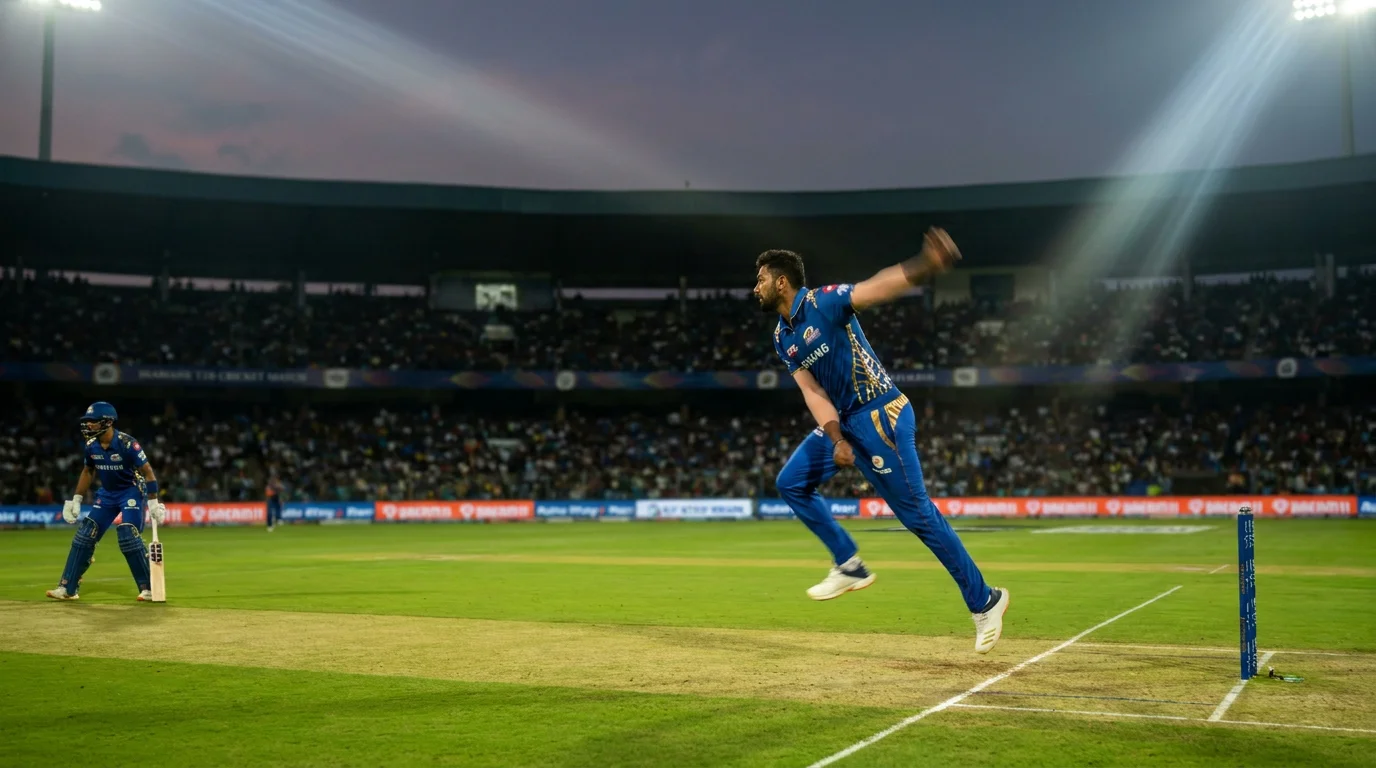
The dominance of in-play wagering in cricket is not accidental. The sport's mechanics reward attentive live bettors. A wicket fall in the sixteenth over of a T20 chase can swing match winner odds by 30% or more in seconds. Weather interruptions in Test matches create unique repricing windows that simply do not exist in other sports. Pitch deterioration across five days of Test cricket creates a shifting landscape where the team batting fourth faces fundamentally different conditions than the team batting first — and the odds reflect that evolution in real time.
The ICC Anti-Corruption Unit has acknowledged that the rapid growth of mobile and in-play betting markets has increased exposure to corruption risks, particularly in associate-level competitions. Advancing technology and increasing popularity have led to what the ICC describes as a substantial increase in both the amount and the sophistication of betting on cricket matches. For UK bettors, this reinforces the importance of placing live wagers through UKGC-licensed platforms that are legally required to report suspicious activity.
The practical implication is straightforward: when evaluating a UK cricket betting website, the quality of its live product matters more than its pre-match offering. Odds refresh speed, market suspension duration after key events, and the availability of granular in-play markets like next-over runs or method of next dismissal are the features that determine whether a platform is genuinely built for cricket or merely tolerates it. The live in-play cricket betting guide digs into how real-time odds shift during play and what to look for in a platform's live infrastructure.
Major Tournaments Every UK Cricket Bettor Tracks
Not all cricket fixtures are created equal — at least not from a betting perspective. During the 2025 Ashes, I noticed match winner market liquidity was eight to ten times higher than for a mid-season County Championship fixture the same week. The tournament calendar shapes not just what you can bet on, but how competitive the odds are, how many markets are available, and how seriously operators treat their live coverage. Here is the landscape that matters for UK cricket bettors.
The Ashes remains the centrepiece of the English cricket calendar for betting purposes. The five-match Test series between England and Australia generates the deepest market coverage of any cricket event on UK platforms. Because Test cricket includes the draw as a realistic outcome, the three-way match result market creates pricing dynamics that simply do not exist in limited-overs formats. Session betting, day-by-day markets, and series correct score propositions make the Ashes a multi-layered betting event that sustains engagement across weeks rather than hours.
The Ashes
Five-match Test series. Deepest market coverage. Three-way match result including draw. Session and day-by-day markets. Series correct score.
IPL
T20 franchise league running March to May. Highest global betting volume. UK start times typically afternoon/evening. Extensive player prop markets.
The Hundred
100-ball format. UK domestic. Over 2.5 million total attendance across five seasons. Strong women's competition coverage. Growing betting market depth.
The Indian Premier League generates enormous betting volume — estimates put the total wagered per season at 150 billion dollars globally when unregulated markets are included. For UK bettors operating through licensed platforms, the IPL offers the richest T20 market coverage of any annual event. Start times generally fall in the late afternoon or evening UK time, making it accessible for post-work wagering. The league's franchise structure, squad rotation, and flat-track batting decks create a particular betting environment where player form and match-up analysis become more important than venue history.
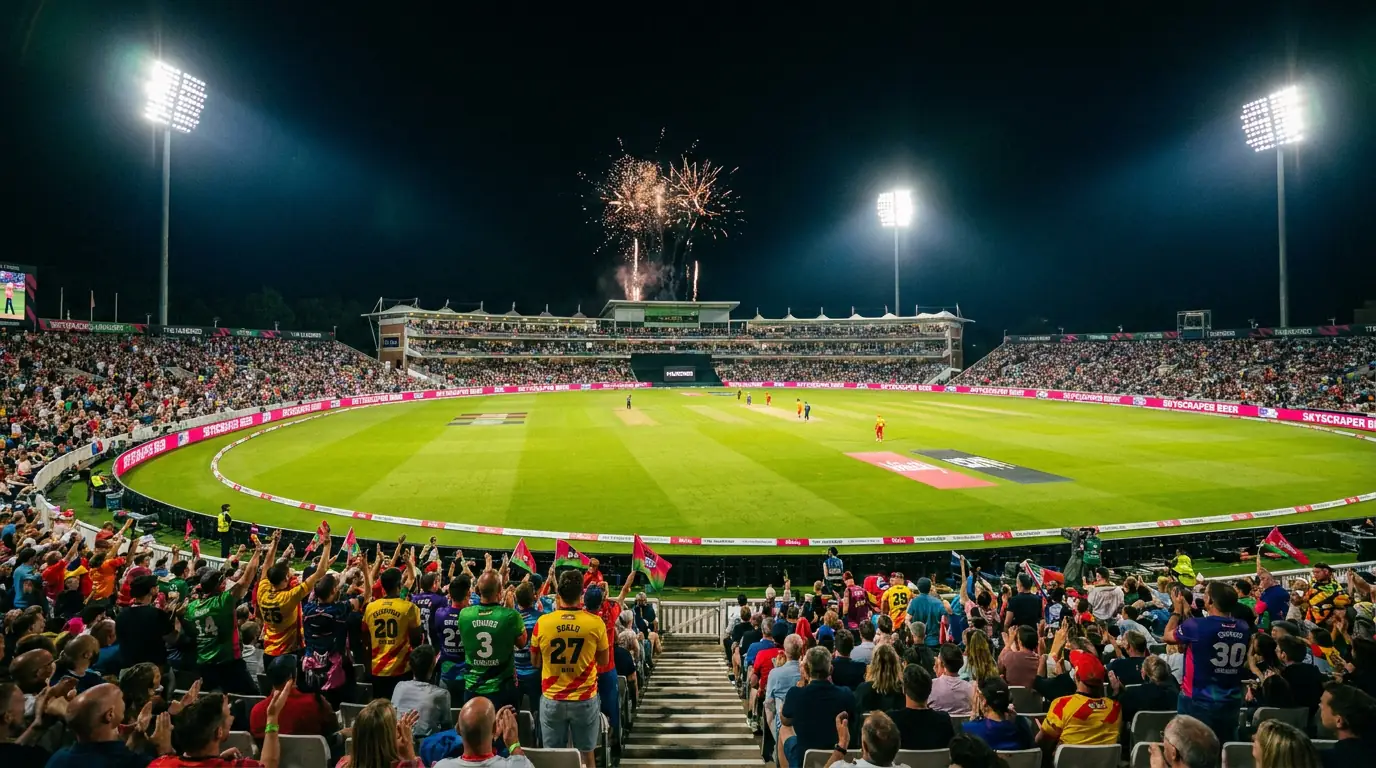
The Hundred deserves particular attention because its growth trajectory is shifting bookmaker coverage. Across its first five seasons from 2021 to 2025, the competition attracted more than 2.5 million fans through the gates, with 1.5 million attending women's matches. In 2025 alone, 580,000 tickets were sold or distributed, with attendance records broken at four grounds. Television audiences grew sharply: Sky Sports viewership for group stages rose 38% compared to the previous year, and the BBC logged 2.2 million online streaming requests, up from 1.6 million in 2024. Around 15% of the UK population follows cricket and takes an interest in T20-format events, so the audience base is substantial and expanding. The 100-ball format creates unique betting dynamics — shorter innings, fewer overs, compressed powerplay — that distinguish its markets from standard T20 wagering.
The T20 World Cup and ODI World Cup round out the major international events. Both ICC tournaments are typically well covered by UK bookmakers, with outright winner markets, individual match betting, player performance props, and top tournament run scorer and wicket taker markets available across most licensed platforms. The T20 World Cup in particular has grown as a betting event, driven partly by the expansion of the tournament field and the increased global fanbase for short-format cricket. The County Championship and T20 Blast provide year-round domestic coverage, though market depth on these competitions varies significantly between operators — something worth checking before committing to a platform.
Mobile Apps and On-the-Go Cricket Betting
I placed a live bet during the 2024 T20 Blast final while standing in a queue at Lord's. The entire sequence — opening the app, navigating to the match, selecting next-over runs, entering my stake, and confirming — took eleven seconds. That is the standard now. More than 70% of all UK sports bets are expected to be placed via mobile devices in 2026, and cricket is no exception. If an operator's mobile experience feels like a downgraded version of its desktop site, it is already failing the majority of its users.
Mobile Share of UK Bets
Over 70% of all wagers placed via mobile in 2026
18-24 Age Group
76% report using mobile phones as their primary betting device
Betting Location
95% of online gambling in the UK happens from home
The mobile share is especially pronounced among younger bettors — 76% of the 18 to 24 age group use mobile phones as their primary betting device, and 95% of all online gambling in the UK takes place from home. That combination means the app is the product for most users, not an accessory to it. The features that matter most on mobile are fast load times for live markets, push notification support for odds movements and match events, biometric login for quick access, and full feature parity with the desktop platform. I have encountered apps where the bet builder worked on desktop but not on mobile, or where cash out was available on the website but greyed out in the app — those gaps disqualify a platform from serious consideration.

The cricket betting apps comparison covers testing methodology and platform-specific performance in detail, but the core principle is simple: an app should let you act on a decision within seconds of making it, especially during live cricket where odds shift after every delivery.
Welcome Offers and Free Bets Worth Claiming
I will be direct: most cricket free bet offers are designed to look better than they are. A headline figure of "bet 10, get 30 in free bets" sounds generous until you read that the free bet stake is not returned with winnings, that minimum odds of 1/2 apply, and that the free bet expires in seven days. I have tracked welcome offers across UK-licensed platforms for years, and the pattern is consistent — the real value of a free bet is typically 40% to 60% of its face amount once wagering conditions and restrictions are factored in.

That does not mean welcome offers are worthless. It means they require evaluation rather than excitement. The types of offers you will encounter on UK cricket betting sites fall into a few categories: matched deposit bonuses where the operator matches your first deposit up to a cap in bonus funds, free bet offers where you place a qualifying bet and receive a free bet token in return, and enhanced odds promotions where specific markets are boosted for new customers. Each type has a different real-money value and a different set of conditions attached.
When evaluating a cricket free bet, focus on three specific conditions before anything else. First, check whether the free bet stake is returned with winnings — this single factor roughly doubles the effective value. Second, check the minimum odds requirement, because a free bet restricted to odds of 1/1 or higher eliminates most sensible cricket wagers. Third, check the expiry window. A seven-day expiry during a period with no major cricket fixtures makes the free bet practically unusable for cricket-specific betting.
The timing of when you claim a welcome offer matters as much as the offer itself. Opening a new account during the IPL or an Ashes series gives you immediate access to deep cricket markets where you can deploy a free bet on a fixture you have actually analysed. Opening an account during a quiet January window, when cricket coverage is limited to overseas Tests in awkward time zones, means your free bet may expire before a suitable opportunity arises.
There is also a question of how the April 2026 tax changes are affecting bonus generosity. Operators absorbing a near-doubling of Remote Gaming Duty have less margin to play with, and early signs suggest that welcome offers are being trimmed in value or tightened in conditions. The cricket free bets and welcome bonuses breakdown tracks current offer structures and explains how to calculate the real-money value of any promotion you encounter.
UKGC Licensing, Tax Reform, and What It Means for Odds
In April 2026, the UK's Remote Gaming Duty jumped from 21% to 40% — the largest single increase in gambling taxation in the country's history. I remember reading the announcement and immediately thinking: this changes everything. Not just for operators scrambling to protect margins, but for every bettor who cares about the odds they receive and the promotions they are offered. Understanding the regulatory framework is no longer a background detail — it is central to evaluating any UK cricket betting website right now.
The Remote Gaming Duty increase from 21% to 40%, effective 1 April 2026, represents the most substantial overhaul of gambling taxation in recent UK history. A new General Betting Duty rate of 25% for remote betting follows in April 2027. The government projects these reforms will generate 810 million pounds in additional revenue during 2026-27, rising to 1.16 billion pounds annually by 2030-31.
The foundation of UK cricket betting regulation is the UKGC licence. Every operator offering gambling services to UK residents must hold a licence from the UK Gambling Commission — no exceptions. That licence imposes obligations around customer fund segregation, dispute resolution through approved Alternative Dispute Resolution providers, mandatory responsible gambling tools, and compliance with anti-money laundering requirements. Around 10% of the UK adult population actively bets on sports online, and the UKGC framework exists to ensure that activity happens within a controlled environment.
The practical consequence of the tax increase is margin pressure. Operators who were already running cricket odds at 5% to 6% margins now have less room to absorb the higher duty without either widening margins (worse odds for you), reducing promotional spend (smaller or fewer bonuses), or cutting operational costs (thinner market coverage, slower odds updates). Some combination of all three is already visible across the industry.
Zoë Osmond, former CEO of GambleAware, has stated that no form of gambling is completely without risk, and that certain types carry an increased chance of experiencing gambling harm — harm that can have a corrosive effect on people's lives, finances, careers, and relationships. That perspective shapes the regulatory environment in which UK cricket betting sites operate. The UKGC's remit is not just licensing — it is active enforcement of standards designed to mitigate those risks across a remote gambling sector worth billions in annual yield, and regulation at that scale requires constant adaptation.
For bettors, the regulatory picture creates a clear decision framework. A UKGC-licensed platform guarantees a minimum standard of consumer protection, transparent settlement rules, and recourse if something goes wrong. An unlicensed offshore alternative offers none of those protections and operates outside the legal framework that exists specifically to protect you. The tax increase complicates the picture because it puts financial pressure on licensed operators, which could accelerate consolidation in the market and reduce the number of platforms competing for your business. Approximately 310 businesses are directly affected by the new duty rates — around 160 remote betting providers, 95 remote gaming operators, and 55 combined operations — and not all of them will absorb the cost increase without structural changes to their offering.

What this means for cricket odds specifically is still unfolding. The early signal is that operators are being more selective about where they offer competitive pricing. High-profile events like the IPL and Ashes may retain sharp odds because the volume justifies it. Less visible competitions — domestic T20 leagues, bilateral ODI series, women's cricket — are more likely to see margin widening as operators prioritise profitability over market share in lower-volume segments. If you bet on cricket across multiple formats and competitions, comparing odds across platforms has become even more important than it was a year ago.
Responsible Gambling Tools and Problem Gambling Data
I want to address this directly rather than bury it at the bottom of the page. Among online sports bettors in the UK, 7.2% register as problem gamblers on the full Problem Gambling Severity Index — a rate significantly higher than the 0.5% figure often cited for the general adult population. The difference matters because it means that roughly one in fourteen people actively betting on sports online are experiencing or at risk of gambling-related harm. Cricket bettors are part of that population, and the data-driven approach I advocate throughout this guide applies just as much to monitoring your own betting behaviour as it does to evaluating odds.
Do
- Set a deposit limit before your first session and review it monthly
- Use session time reminders to track how long you have been active
- Keep a separate record of your bets, stakes, and returns
- Take breaks between cricket seasons — the off-period exists for a reason
- Treat betting as entertainment with a fixed budget, not a revenue strategy
Do Not
- Chase losses by increasing stake sizes after a losing run
- Bet on cricket matches you have not researched to "make back" earlier losses
- Use credit to fund betting activity — UK law prohibits credit card gambling for good reason
- Dismiss warning signs like spending more time or money than intended
- Assume problem gambling only affects other people
Every UKGC-licensed cricket betting website is required to offer a set of responsible gambling tools. Deposit limits — daily, weekly, and monthly — allow you to cap how much money you can add to your account in a given period. Session time limits and reality checks prompt you with notifications after a set duration of continuous play. Cool-off periods let you temporarily suspend your account for 24 hours, a week, or a month. Self-exclusion through GamStop registers you across all UKGC-licensed platforms simultaneously for a minimum of six months.

If you or someone you know is experiencing difficulties with gambling, support is available through the National Gambling Helpline (0808 8020 133), GamCare (www.gamcare.org.uk), and GamStop self-exclusion (www.gamstop.co.uk). These services are free, confidential, and available around the clock.
The advertising environment has also shifted. A whistle-to-whistle ban on gambling advertising during live sport before 21:00 reduced the number of such adverts seen by children by 97%. That restriction forms part of a broader regulatory push to limit gambling exposure, and it reflects the reality that the relationship between sport and wagering carries responsibilities that extend beyond the individual bettor. As someone who writes about cricket betting professionally, I take those responsibilities seriously — and I expect the platforms I evaluate to do the same.
Frequently Asked Questions About UK Cricket Betting
Is cricket betting legal in the UK?
Yes. Betting on cricket is fully legal in the UK provided you use an operator licensed by the UK Gambling Commission. The UKGC regulates all remote gambling services offered to UK residents, and its public register allows you to verify any operator's licence status before opening an account. Using an unlicensed offshore platform is not illegal for the individual bettor, but it removes every consumer protection the regulatory framework provides — including fund segregation, dispute resolution, and mandatory responsible gambling tools.
What are the most popular cricket betting markets?
Match winner is the most widely bet cricket market, followed by top batsman, top bowler, and over/under total runs. In limited-overs formats like T20 and ODI, two-way match winner markets dominate. Test cricket adds the draw as a third outcome, creating a distinct pricing structure. Player performance markets — individual runs scored, wickets taken, and boundaries hit — are increasingly popular, particularly during franchise tournaments like the IPL where detailed player data is readily available.
How do I choose the best cricket betting site?
Start with UKGC licensing verification, then evaluate market depth on cricket fixtures (aim for 20+ pre-match markets on internationals), odds competitiveness across multiple fixture types, the quality of the live in-play product, cash out availability on cricket bets, mobile app performance, and the transparency of settlement rules for rain-affected or abandoned matches. Prioritise platforms that treat cricket as a core sport rather than a secondary offering — market depth on domestic competitions like the County Championship is a reliable indicator of commitment.
Can I bet on cricket in-play in the UK?
Yes, and in-play wagering accounts for 55% to 60% of all cricket bets placed in the UK. Most UKGC-licensed bookmakers offer live cricket markets during international and major domestic fixtures, though the depth of coverage varies significantly between platforms. The best live cricket betting sites provide 30 or more in-play markets per fixture, including ball-by-ball propositions, next-over runs, and method of next dismissal. Odds refresh speed and market suspension duration after key events like wickets are the practical differentiators between platforms.
What cricket tournaments can I wager on from the UK?
UK-licensed bookmakers cover a wide range of cricket competitions. The primary events for UK bettors are the Ashes, the IPL, The Hundred, the T20 World Cup, the ODI World Cup, the T20 Blast, and the County Championship. Coverage of international bilateral series (England vs India, Australia tours) is also standard. Less mainstream competitions — European Cricket Series, women's international cricket, and associate nation tournaments — are available on some platforms but not universally covered.
What odds format do UK cricket betting sites use by default?
UK cricket betting sites display fractional odds by default — the traditional British format where 5/1 means you win five pounds for every one pound staked. Most platforms allow you to switch to decimal odds (6.00 in this example) or American/moneyline odds (+500) in your account settings. Fractional odds remain the standard on UK platforms because they are the format most familiar to British bettors, though decimal odds are increasingly popular because they make comparing prices across bookmakers slightly easier at a glance.
What responsible gambling tools are available on UK betting sites?
Every UKGC-licensed platform must provide deposit limits (daily, weekly, monthly), session time reminders, cooling-off periods (temporary account suspension), and access to self-exclusion through GamStop, which blocks you from all UK-licensed gambling sites for a minimum of six months. Additional tools vary by platform and may include loss limits, reality check pop-ups at set intervals, and activity statements that summarise your betting history. These tools should be accessible within two clicks from any page on the site — if they are difficult to find, that reflects poorly on the operator.
Articles
Published by the cricketbettingwebsites.com team.
