

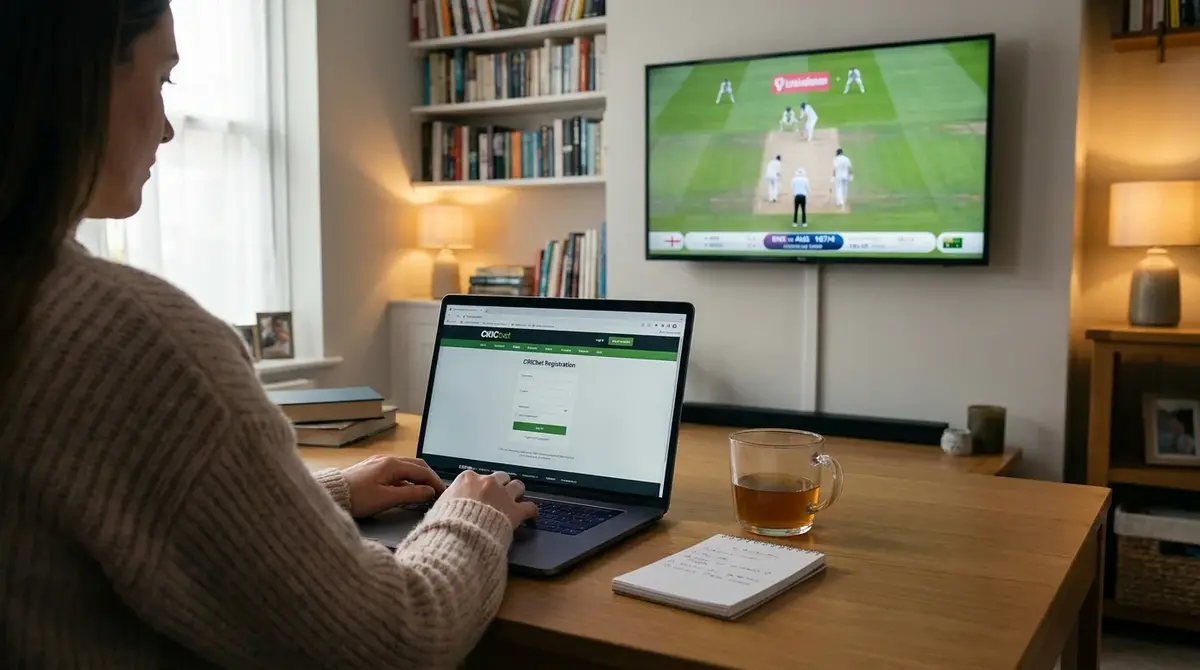
My first cricket bet was a disaster — not because I lost money, but because I spent 45 minutes trying to figure out how to place it. The site was confusing, the odds format made no sense, and by the time I found the right market, the match was already into the second innings. I don’t want that experience for anyone reading this guide.
About 7% of UK sports bettors wager on cricket, which makes it a dedicated but growing community. If you are here, you either already watch cricket and want to add a betting dimension, or you have heard that cricket offers some of the most interesting wagering markets in sport and want to see what the fuss is about. Either way, this walkthrough takes you from zero to your first settled bet. No assumptions about what you already know, no skipped steps, no jargon without explanation.
Picking a UKGC-Licensed Betting Site
With 47% of UK adults participating in some form of gambling, you might assume that every betting site is equally suitable for cricket. It is not. The single non-negotiable criterion is a valid licence from the UK Gambling Commission. This is not optional, and it is not a nice-to-have — it is the legal baseline that determines whether your money is protected, whether the operator follows responsible gambling rules, and whether you have recourse if something goes wrong.
Checking a licence takes 30 seconds. Visit the Gambling Commission’s public register, type in the operator’s name, and confirm the licence is active. Every legitimate UK betting site displays its licence number in the footer of its homepage. If you can’t find a licence number, or if the number doesn’t match the register, walk away. No welcome offer, no odds advantage, and no marketing claim is worth betting on an unregulated platform.
Beyond licensing, look for cricket-specific market depth. Open the site before registering and browse their cricket section. How many upcoming matches are listed? How many markets appear for a fixture that is a few days away? If the cricket section has three matches and five markets each while the football section has 200 matches with 100+ markets, cricket is an afterthought for that operator. You want a site that treats cricket as a core sport, with dedicated navigation, in-play coverage, and a range of markets beyond just match winner.
Mobile experience matters from day one. If you plan to bet from your phone — and statistically, you probably will — test the mobile site or app before you commit. Navigate to a cricket market. Check whether the interface feels responsive. A clunky mobile experience only gets more frustrating over time, and switching operators after you have deposited and verified is an unnecessary hassle.

Creating an Account and Verifying Your Identity
I remember the first verification rejection I received — the photo of my driving licence was apparently too blurry. It took another 24 hours to re-upload and verify, by which point the match I wanted to bet on was over. Learn from my mistake: get verification done early and done right.
Registration on any UKGC-licensed site follows a standard pattern. You provide your full name, date of birth, UK residential address, email address, and a mobile phone number. You set a username and password. You confirm that you are 18 or over and agree to the terms of service. The entire process takes three to five minutes.
Identity verification is where things can slow down. Under UKGC rules, operators must verify your identity before you can deposit or place bets. Many sites use electronic verification — they cross-reference your details against databases (electoral roll, credit reference agencies) and confirm your identity automatically within seconds. If electronic verification fails, you will be asked to upload documents: a photo of your passport or driving licence, and sometimes a recent utility bill or bank statement as proof of address.
Upload clear, well-lit photos. Make sure all four corners of the document are visible. If the document has both sides, photograph both. Most operators process document verification within two to four hours during business days, but it can stretch to 48 hours during busy periods or weekends. Some sites let you browse markets and explore the platform while verification is pending, but you cannot place bets until your identity is confirmed.
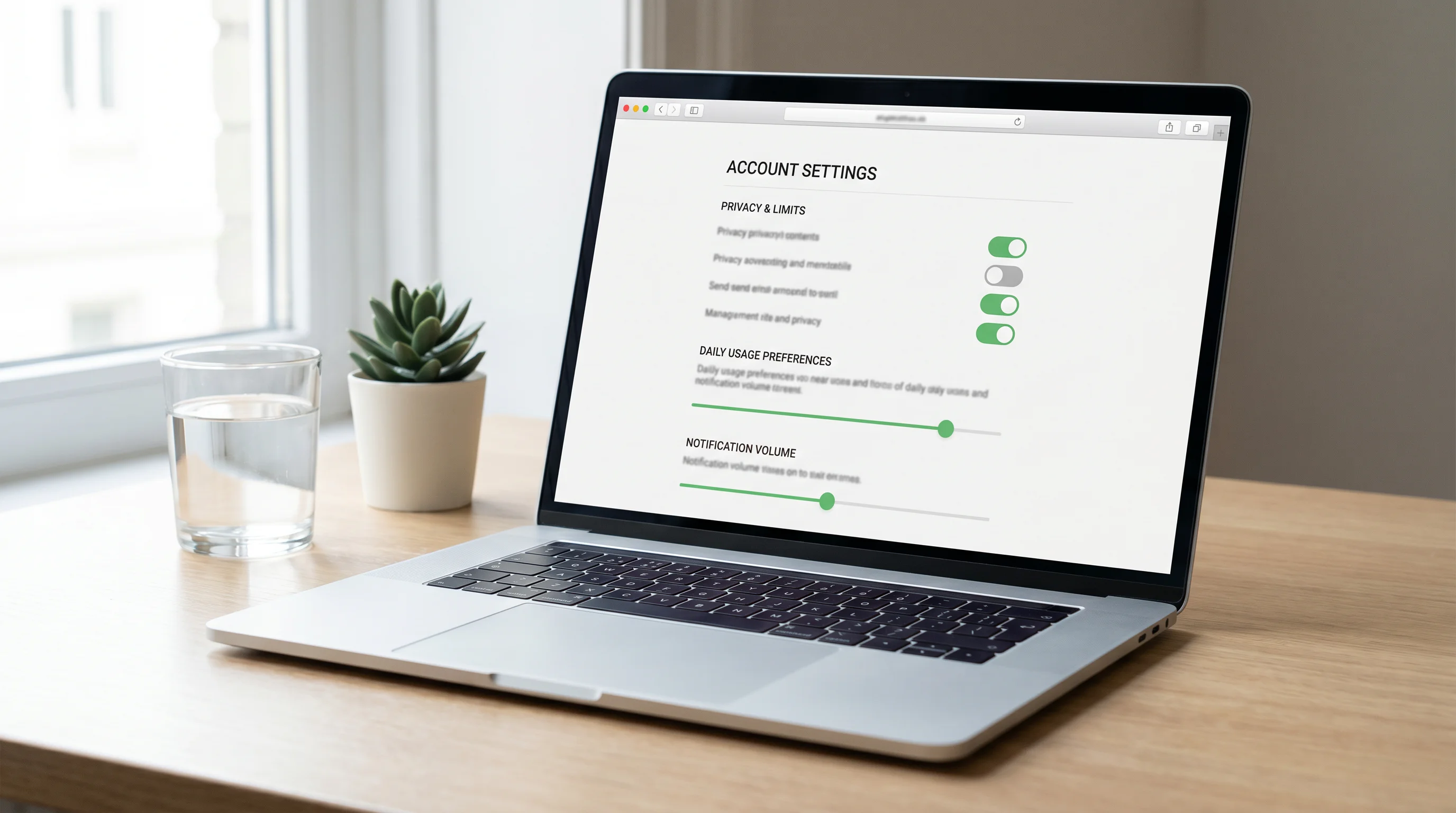
Once verified, set up responsible gambling controls immediately. Every UKGC-licensed site offers deposit limits, loss limits, and session time reminders. I suggest setting a weekly deposit limit that reflects what you can genuinely afford to lose. You can always raise it later (with a cooling-off period), but starting with a limit in place builds the right habits from day one.
Depositing Funds: Methods and Minimums
The UK banned credit card gambling in April 2020, so your deposit options are debit cards, e-wallets, prepaid cards, and mobile payment methods. That restriction exists for a good reason — credit card gambling was linked to higher rates of problem gambling — and it means every pound you deposit is money you already have, not money you are borrowing.
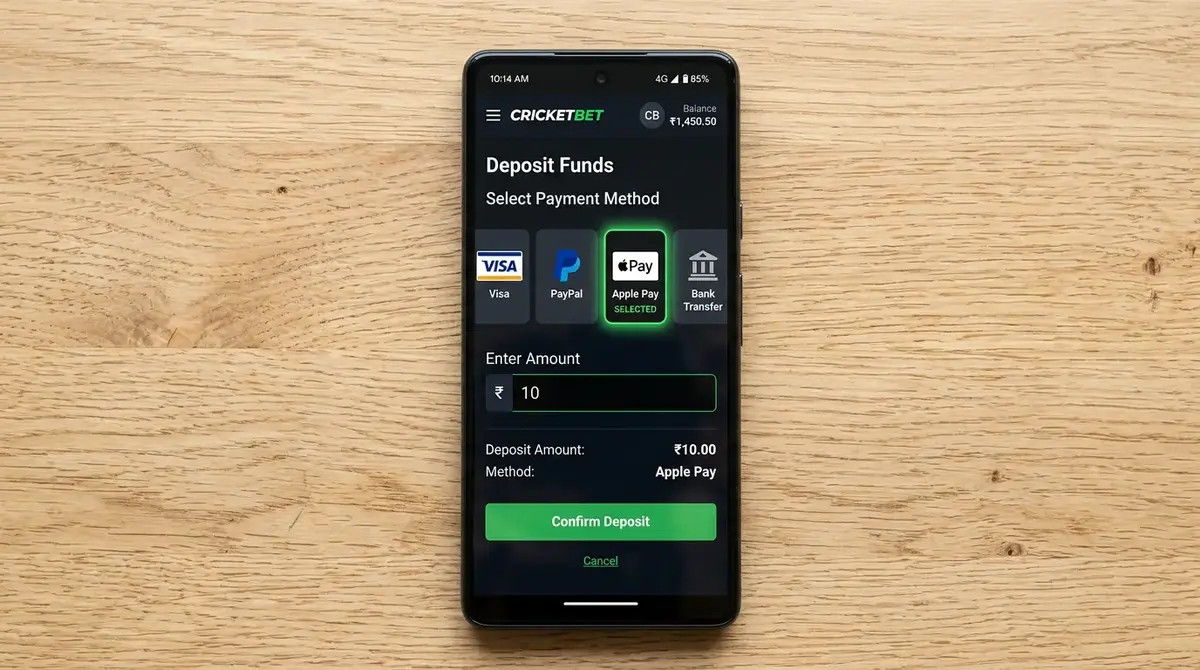
Debit cards (Visa, Mastercard) are accepted everywhere and deposits are instant. E-wallets like PayPal, Skrill, and Neteller are also widely supported, with deposits processing within seconds. Apple Pay and Google Pay work on most major sites and are particularly convenient if you are betting from your phone — which, given that 95% of online gambling in the UK happens from home and 76% of 18-to-24-year-old bettors use their mobile as the primary device, is the likely scenario.
Minimum deposits vary between operators but typically range from 5 to 10 pounds. If you are placing your first-ever cricket bet, I would suggest depositing the minimum that qualifies for any welcome offer you intend to claim, rather than loading your account with a larger amount. There is no rush. You can always deposit more later, and starting small lets you learn the mechanics without financial pressure.
One detail that trips up newcomers: some deposit methods are excluded from welcome offer eligibility. Skrill and Neteller are the most commonly excluded. If you plan to claim a welcome bonus, check the terms to confirm your payment method qualifies before depositing. Changing your deposit method after the fact rarely fixes the issue — the system logs the first deposit method used, and if it was an excluded one, the promotion won’t trigger. Debit cards and Apple Pay are almost universally eligible, which makes them the safest choices for a first deposit.
Reading Cricket Odds: Fractional, Decimal, and Moneyline
Odds confused me for longer than I care to admit. The numbers seemed arbitrary until I understood what they actually represent: a bookmaker’s assessment of probability, with a profit margin added. Once that clicks, everything else follows.
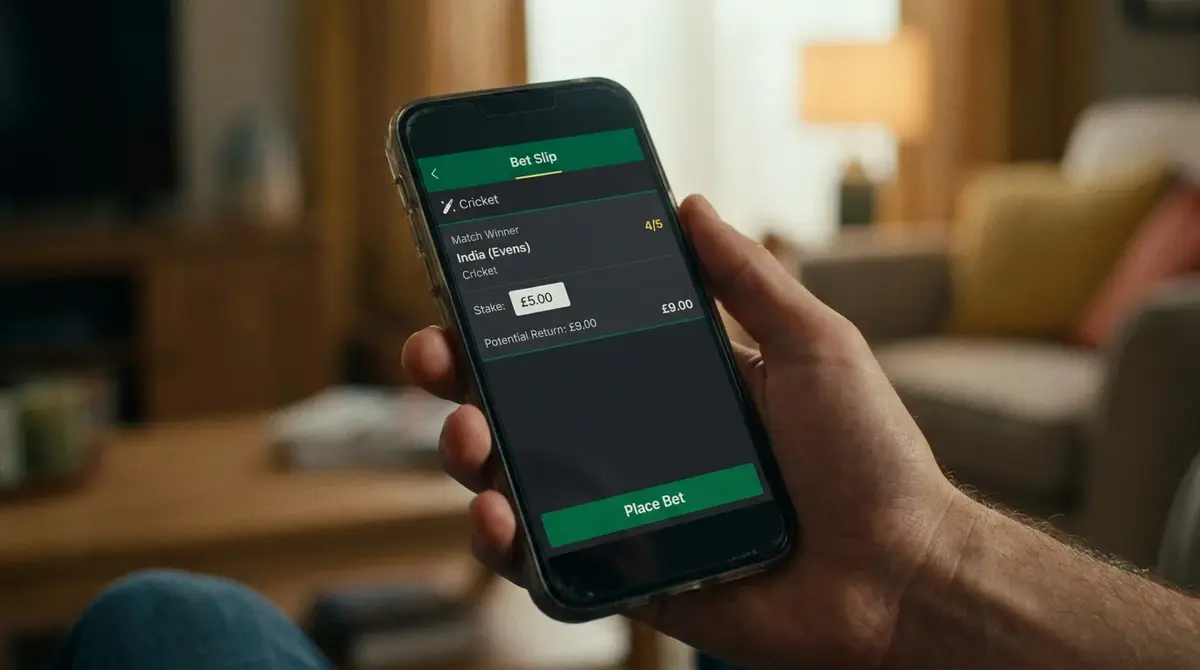
UK betting sites default to fractional odds — the format you see on racecourse boards. 5/1 means you win five pounds for every one pound staked, plus your stake back. 1/2 means you win 50 pence for every pound staked. The number on the left is the potential profit; the number on the right is the stake unit. If a cricket match winner is priced at 4/6, you need to stake six pounds to win four pounds profit, plus your six-pound stake returned — total return of 10 pounds.
Decimal odds are simpler mathematically and increasingly popular. They show the total return per unit staked, including the stake itself. Decimal 3.00 means three pounds returned for every one pound bet — two pounds profit plus the one-pound stake. Converting from fractional to decimal is easy: divide the left number by the right number and add 1. So 5/1 becomes (5 divided by 1) + 1 = 6.00. And 4/6 becomes (4 divided by 6) + 1 = 1.67. Most UK sites let you switch between formats in your account settings.
The concept that transforms odds from numbers into tools is implied probability. To calculate it from decimal odds, divide 1 by the decimal price. At decimal 3.00, the implied probability is 1 divided by 3.00 = 33.3%. At decimal 1.50, the implied probability is 1 divided by 1.50 = 66.7%. This tells you what the bookmaker believes the likelihood of that outcome is, including their margin. If you think a team has a 50% chance of winning but the implied probability from the odds is only 40%, the odds are offering value. If you want to go deeper into this, I’ve written a dedicated breakdown of how cricket odds work that covers margin analysis and overround calculation.
For your first bet, don’t overthink the format. Set your account to whichever display feels more intuitive — fractional if you’re used to British racing tradition, decimal if you prefer cleaner arithmetic. What matters is that you understand the relationship between the price and your potential return before you confirm the bet. Every bet slip shows the potential return for your stake amount, so check that number against your expectation before tapping confirm.

Placing Your First Cricket Bet Step by Step
You have an account, a verified identity, funds deposited, and a basic understanding of odds. Now comes the part you are actually here for. Let me walk you through placing a cricket bet from start to finish, as if I were sitting next to you.
Open the betting site or app and navigate to cricket. You will usually find it under “Sports” or in an A-Z list of sports on the left-hand menu. Some sites place cricket under a “Popular” or “Featured” tab during major tournaments. Once you are in the cricket section, you will see a list of upcoming and live matches. Tap or click on the match you want to bet on.
The match page displays the available markets. For a beginner, start with the match winner market — it is the most straightforward. You will see two or three selections (depending on whether the draw is offered). Each selection shows a price. Tap on the price next to the team you want to back. When you do this, the selection is added to your bet slip, which usually appears at the bottom of the screen on mobile or to the right on desktop.
On the bet slip, enter your stake — the amount you want to wager. Start small. There is no minimum bet that deserves respect; a one-pound or two-pound first bet is perfectly fine. As you type your stake, the bet slip will display the potential return, which includes your stake plus profit if the bet wins. Double-check three things before confirming: the selection is correct (right team, right market), the odds haven’t changed since you added it to the slip, and the potential return matches your expectation.
Tap “Place Bet” or “Confirm Bet.” The platform will process your bet and display a confirmation screen with a bet reference number. Save or screenshot this confirmation — it is your receipt. The bet is now live. You can track it in the “My Bets” or “Open Bets” section of your account, where you will see the current status, the odds you locked in, and (for in-play bets) the cash-out value if one is available.
A few things that might surprise you on your first bet. The odds can change between the moment you add a selection to your slip and the moment you confirm. If this happens, the platform will typically notify you and ask whether you want to accept the new price or cancel. Some sites have an “accept all odds movements” toggle that lets you skip this step, but I recommend leaving it off for your first few bets so you stay aware of how prices move. Also, the bet slip will show whether your bet is a “single” (one selection) or an “accumulator” (multiple selections). For your first cricket bet, stick with a single. Accumulators add complexity and risk that you don’t need while you are learning.
Understanding Results and Settlement
After my first winning cricket bet — a match winner on a T20 Blast fixture — I stared at my account balance wondering why the winnings hadn’t appeared. They had, actually; I just didn’t recognise the settlement format. The bet had been marked “won” and the return had been added to my balance automatically. I was looking for a pop-up or a notification, but most sites simply update your balance without fanfare.
Settlement happens when the match or market reaches its conclusion. For a match winner bet, this means the end of the match (or a formal result via Duckworth-Lewis-Stern in rain-affected games). For a top batsman bet, settlement occurs when the relevant innings ends. For an over/under runs market, settlement happens once the final ball of the specified period is bowled. Most bets settle within minutes of the market concluding, though some operators take up to an hour for less liquid markets.
The bet status in your account will show one of several outcomes. “Won” means the selection was correct and your return has been credited. “Lost” means the selection was incorrect and your stake has been deducted. “Void” means the bet has been cancelled — this happens if the match is abandoned without a result, if a player you bet on doesn’t participate, or if specific settlement rules apply. When a bet is voided, your stake is returned in full.
“Dead heat” is a term you will encounter in player markets. If two batsmen finish with the same top score and you backed one of them, the bet is settled as a dead heat — your stake is divided by the number of tied players, and the winnings are calculated on that reduced stake. So a 10-pound bet on a player at 3/1 in a two-way dead heat returns the equivalent of a 5-pound bet at 3/1: 15 pounds plus the 5-pound stake, totalling 20 pounds instead of the full 40 pounds you would have received without the dead heat. It feels like a partial win, which is exactly what it is.
Withdrawing Winnings: Timelines and Limits
Winning is only half the story. Getting your money out is the other half, and it should be simple — though not every operator makes it so.
With more than 70% of UK sports bets now placed via mobile, withdrawal processes have been optimised for phone-based users on most major platforms. Navigate to the “Withdraw” or “Cashier” section of your account, select your preferred withdrawal method, enter the amount, and confirm. Most operators require you to withdraw to the same method you used to deposit, at least for the initial deposit amount. This is an anti-money-laundering requirement, not a quirk of the platform.
Withdrawal timelines depend on the method. E-wallets (PayPal, Skrill) are typically the fastest, processing within two to four hours on most sites. Debit card withdrawals take one to three working days. Bank transfers can take three to five working days. Some operators impose a “pending” period of 12 to 24 hours before processing any withdrawal, during which you can cancel the request. I have mixed feelings about this feature — it can be useful if you change your mind, but it also creates a window where you might be tempted to reverse the withdrawal and keep betting with the money. If you have won, take the money. Don’t let a pending period become an invitation to wager your winnings away.

Minimum withdrawal amounts range from 5 to 10 pounds on most UK sites. Maximum withdrawal limits per transaction are usually set between 5,000 and 50,000 pounds, though higher limits may require additional verification. If you are withdrawing for the first time, the operator may ask you to complete a secondary identity check — this is standard practice and typically involves confirming your payment method details. Once your first withdrawal is processed, subsequent ones usually go through faster.
Five Mistakes New Cricket Bettors Make
I have made every one of these mistakes at some point in my nine years of cricket betting. Listing them here won’t guarantee you avoid them, but at least you will recognise the trap when it appears.
The first mistake is betting without watching. Cricket odds reflect a match narrative that only makes sense if you are following the action. Backing a team based solely on their pre-match price without knowing the pitch conditions, weather forecast, or squad composition is guessing, not betting. Even five minutes of research — a quick look at the pitch report and the toss result — dramatically improves your decision quality.
The second is chasing losses. You place a pre-match bet, it loses, and you immediately place another bet at longer odds to “win it back.” This escalation pattern is the fastest route to a blown bankroll. Set a daily or weekly loss limit before you start betting, and stop when you hit it. No exceptions, no rationalisations.
Third: ignoring the format. Betting on a Test match as if it were a T20, or vice versa, is surprisingly common among beginners. The strategies, the important markets, and the risk profiles differ enormously between formats. A match winner bet in a T20 resolves in three hours. The same bet in a Test can take five days, during which weather, pitch deterioration, and team declarations introduce variables that don’t exist in shorter formats. Treat each format as a distinct betting environment.
Fourth: treating welcome bonuses as free money. I covered this in detail elsewhere, but it bears repeating. The real value of a welcome offer is typically 50% to 70% of the headline amount after wagering requirements. Factor in the cost of the qualifying bet and the value drops further. Use bonuses strategically, but don’t let them dictate where or how you bet.
The fifth mistake is neglecting responsible gambling tools. Zoë Osmond, former CEO of GambleAware, put it plainly: no form of gambling is completely without risk, and certain types of gambling carry an increased chance of harm that can corrode finances, careers, and relationships. Cricket betting is exciting precisely because of the uncertainty involved, but that same uncertainty means losses are inevitable and frequent. Deposit limits, reality checks, and session time alerts are not training wheels for beginners — they are permanent safety features that every bettor, regardless of experience, should have active. I still use a weekly deposit limit. It has never felt restrictive; it has always felt sensible.
Questions From First-Time Cricket Bettors
If you are placing your first cricket bet, these are the practical questions worth answering before you tap confirm.
Articles
Created by the "cricketbettingwebsites.com" editorial team.
