

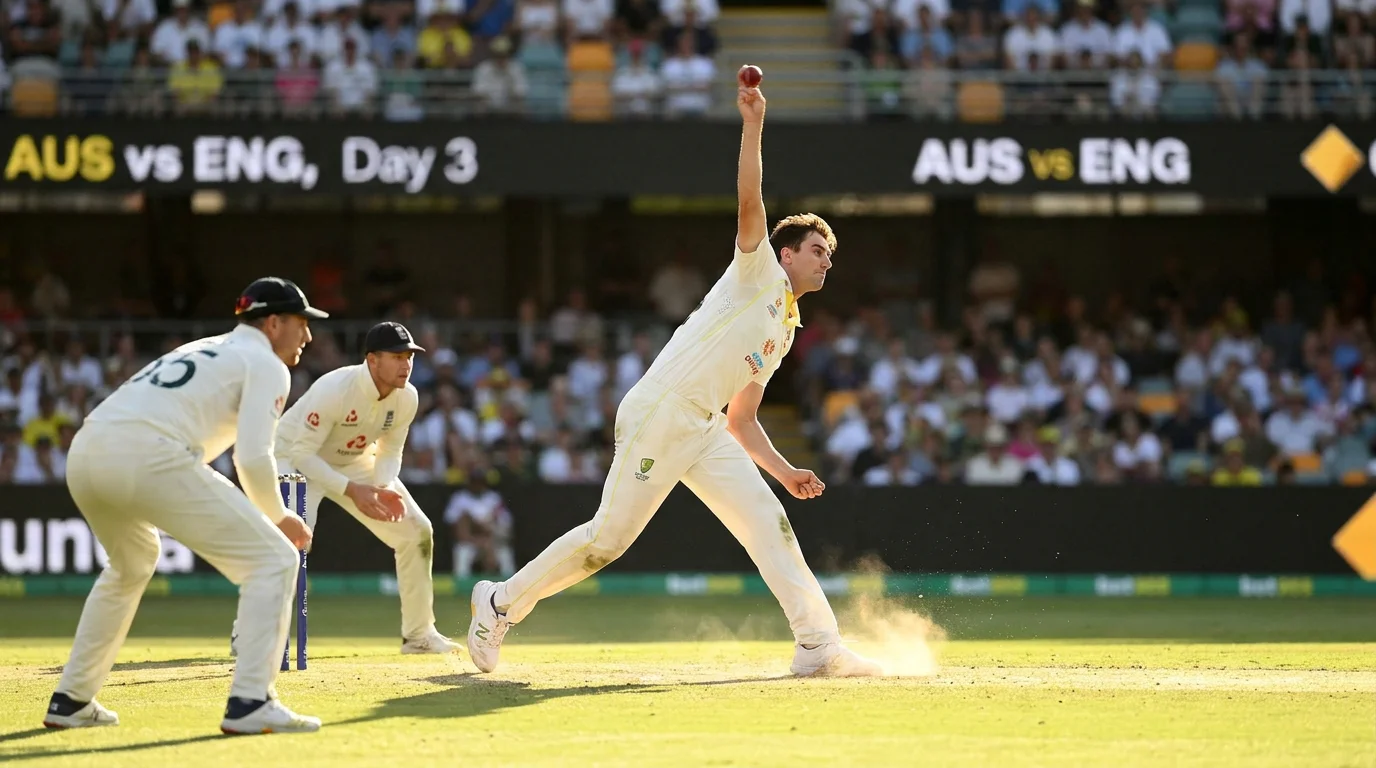
Roughly 7% of UK sports bettors place wagers on cricket, and among those who dig beyond the match-winner market, top bowler is one of the most underappreciated bets available. Where top batsman rewards knowledge of form and batting position, top bowler rewards understanding of conditions — pitch, weather, overhead cover, humidity, wear on the ball. It is the market where a thoughtful reading of the playing environment directly translates into edge, because conditions affect bowling outcomes more visibly than they affect batting outcomes.
I gravitated toward top bowler markets after realising that my analysis of pitch and atmospheric conditions was producing views that diverged from the odds more frequently than my batting analysis. A seam-friendly morning under cloud cover at Headingley is a gift for a skilled swing bowler, and if the bookmaker has priced that bowler based on his season average rather than the match-specific conditions, the opportunity is sitting in plain sight.
How Top Bowler Betting Works
The mechanics mirror the top batsman market. You select the bowler you believe will take the most wickets in the match or innings. All bowlers in the playing eleven are eligible — seamers, spinners, and part-timers alike — though part-timers are typically priced at very long odds reflecting their limited bowling allocation.
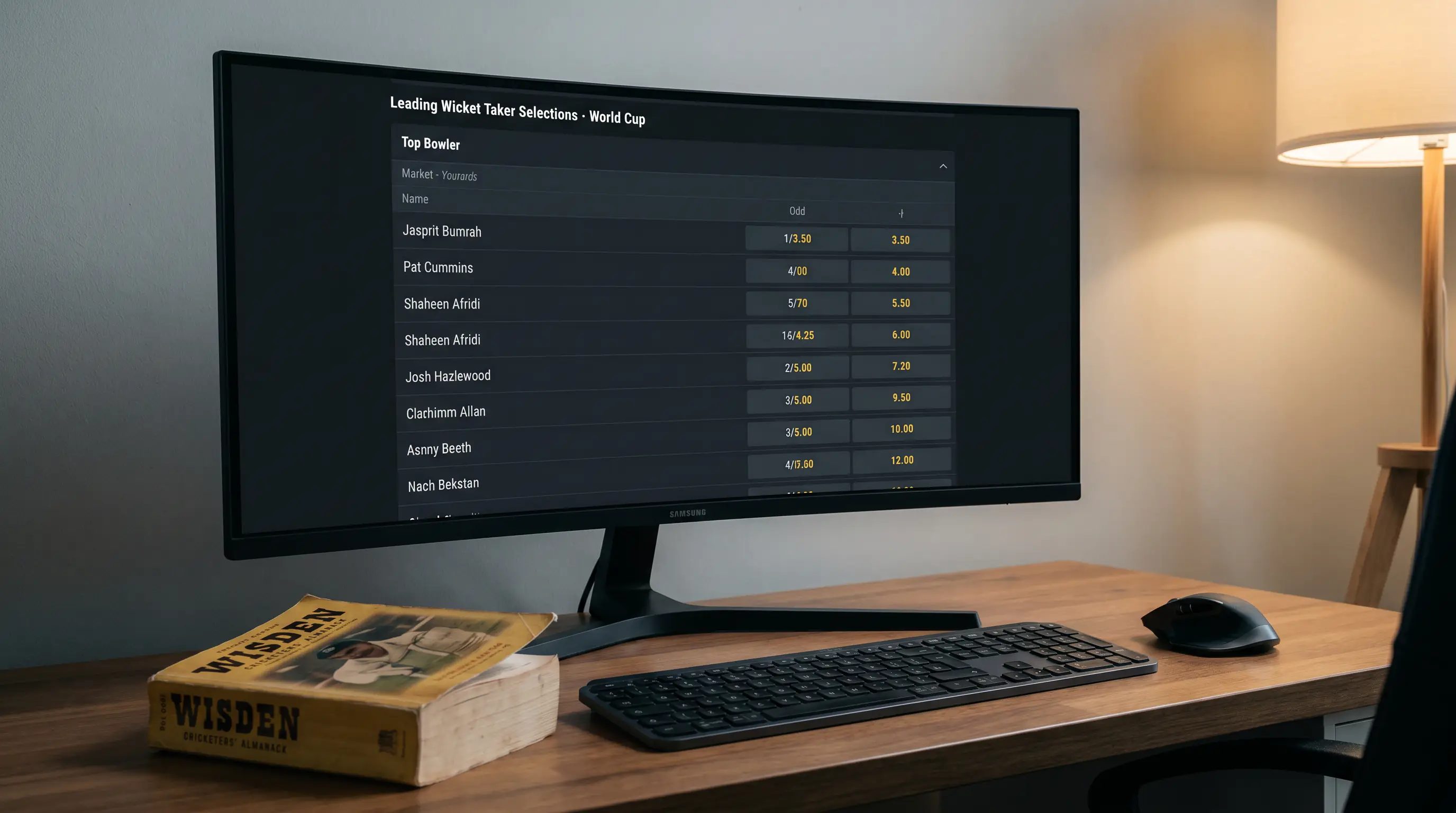
Wickets are the only metric. A bowler who takes 3-80 beats a bowler who takes 2-15, even though the latter was more economical. This means the market rewards bowlers who attack rather than contain — specifically, bowlers who are given extended spells, bowl at the top and tail of innings, and are trusted by their captain to take wickets rather than restrict scoring.
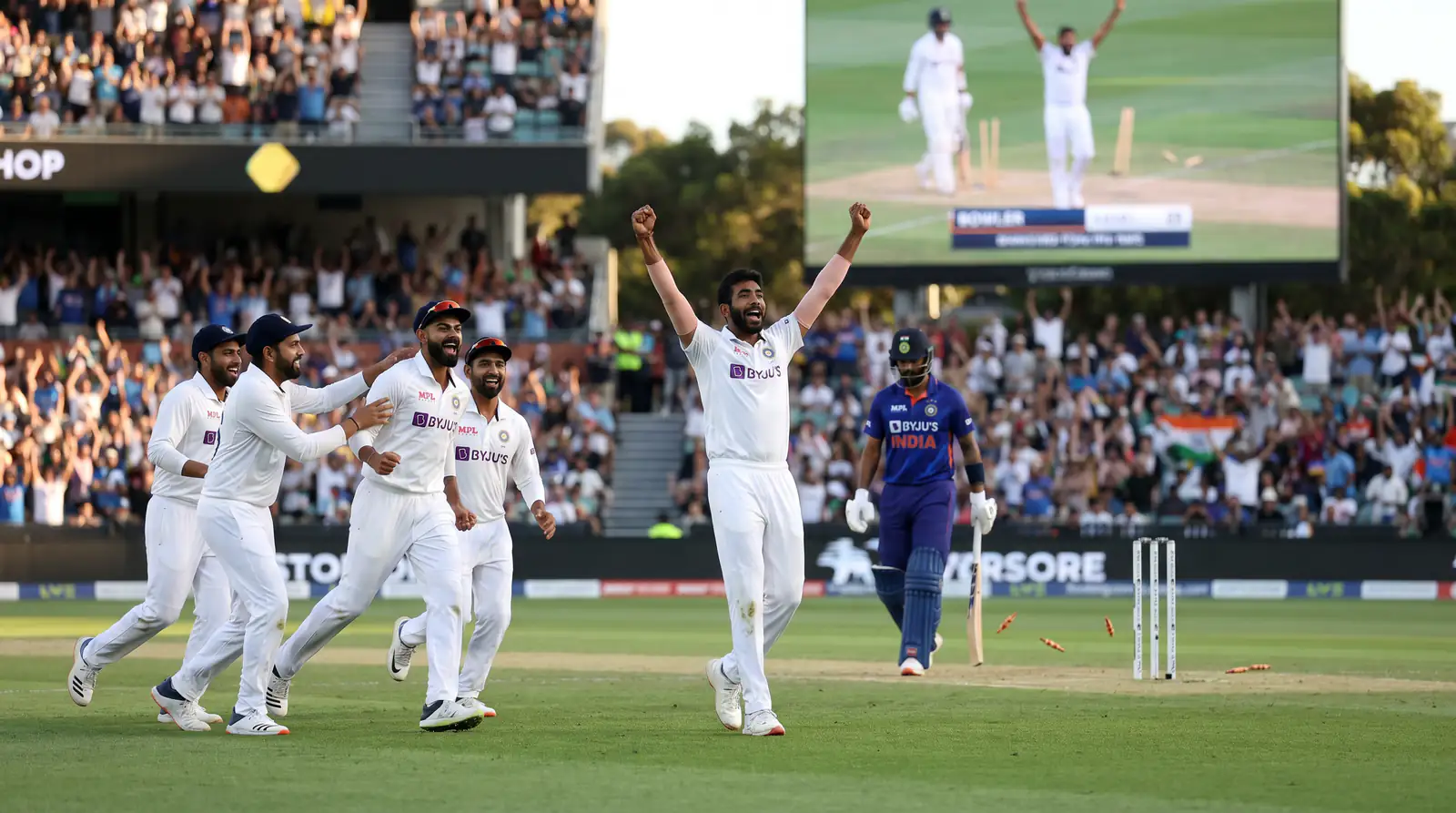
Pricing reflects a combination of career strike rate (balls per wicket), recent form, bowling type relative to conditions, and how many overs the bowler is expected to bowl. In Test cricket, a bowler who bowls 30 overs has more opportunities to take wickets than one who bowls 15. In T20, where the maximum allocation is four overs, the field is more level because every specialist bowler has a similar window of opportunity.
Why Pitch and Conditions Matter More for Bowlers
Live cricket betting makes up between 55 and 60% of all cricket wagers in the UK, and top bowler is one of the markets where pre-match conditions analysis pays dividends that carry through into the live market. A pitch with visible cracks favours spin bowlers; a green-tinged surface with moisture favours seam bowlers; a flat, dry pitch with nothing for anyone makes the top bowler market a lottery. Knowing which type of surface you are looking at before the match starts is the foundation of top bowler selection.

Overhead conditions amplify the pitch effect. Overcast skies and humid air help the ball swing laterally. When a new ball bowler can swing the ball in overcast conditions on a pitch with a bit of grass, the probability of early wickets increases materially. If the forecast shows cloud cover for the first session and clearing later, the morning bowler — the one who opens the attack — carries a conditions-driven advantage that the odds may not fully reflect.

Pitch deterioration over the course of a Test match creates a different dynamic. By day four or five, the surface is typically worn enough to assist spin. A spinner who bowled tidily without great reward on days one and two may find conditions transforming in their favour later in the match. In the top bowler market for the whole match, that late-innings opportunity is valuable because the spinner accumulates wickets when the surface helps, potentially overtaking seamers who dominated on days one and two.
Top Bowler Nuances Across Formats
In Test cricket, the top bowler market covers all innings. A bowler who takes 2-50 in the first innings and 4-30 in the second has a match total of 6 wickets, which is often enough to win the market. This rewards bowlers who are used consistently across both innings — typically the leader of the attack — rather than impact bowlers who deliver one explosive spell and are then rotated out.
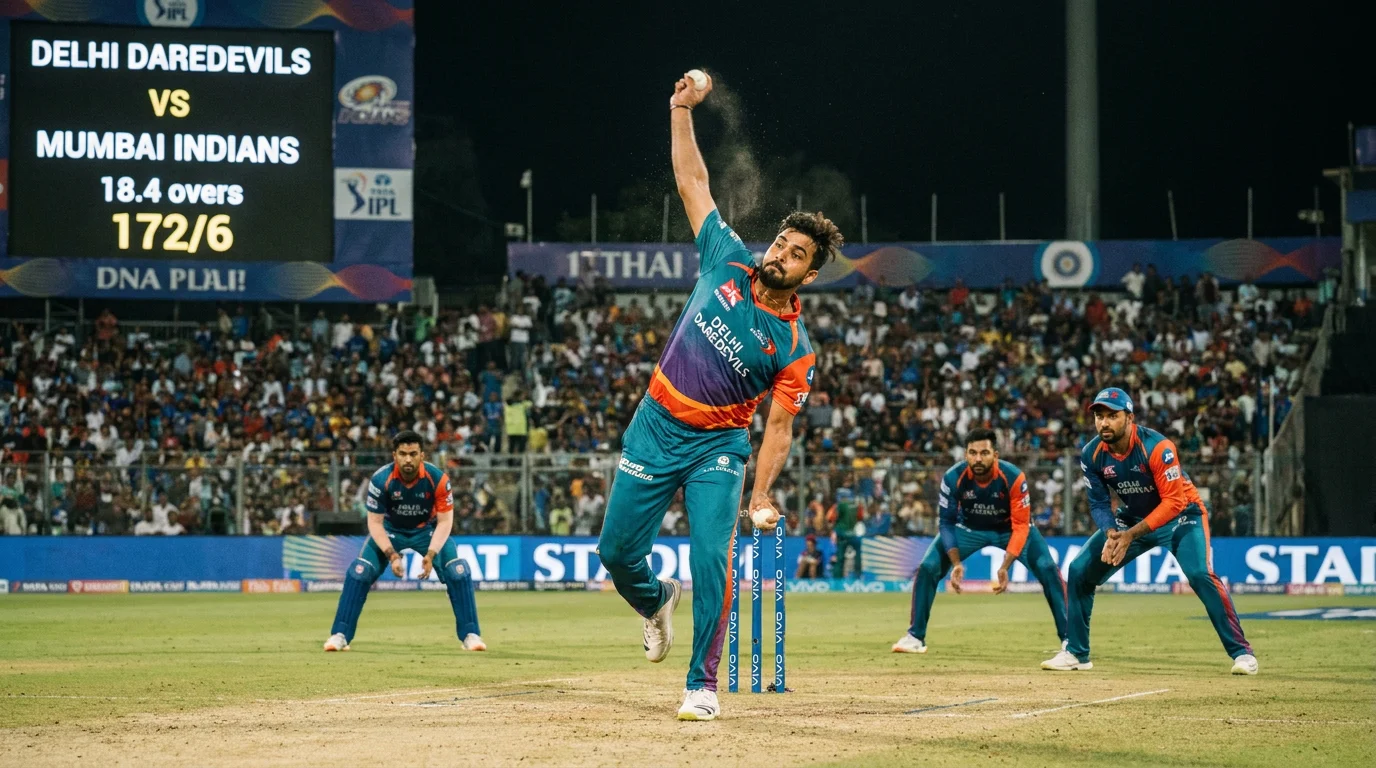
In ODIs, the maximum allocation is 10 overs per bowler. The top bowler market tends to favour bowlers who bowl both at the top of the innings (with the new ball, when batsmen are more vulnerable) and at the death (when batsmen take risks and get out more often). The middle-overs bowler who contains but does not threaten is at a structural disadvantage because their role limits wicket-taking opportunities.
In T20, with only four overs per bowler, the market is wide open. Any specialist bowler can take three or four wickets in a four-over spell if the conditions and matchups align. This makes T20 top bowler the most volatile and least predictable version of the market. I approach it with smaller stakes and a focus on death-over bowlers — the ones who bowl at the most risky phase of the innings when batsmen are swinging hard and getting out more frequently.
Dead Heat Rules for Bowler Markets
Dead heats are more common in top bowler markets than in top batsman, because wicket tallies in a match tend to cluster in a narrow range. In a T20, the leading wicket taker often has just 2 or 3 wickets, and it is common for two or three bowlers to tie on that number. Dead heat rules then apply, dividing the payout among the tied winners.
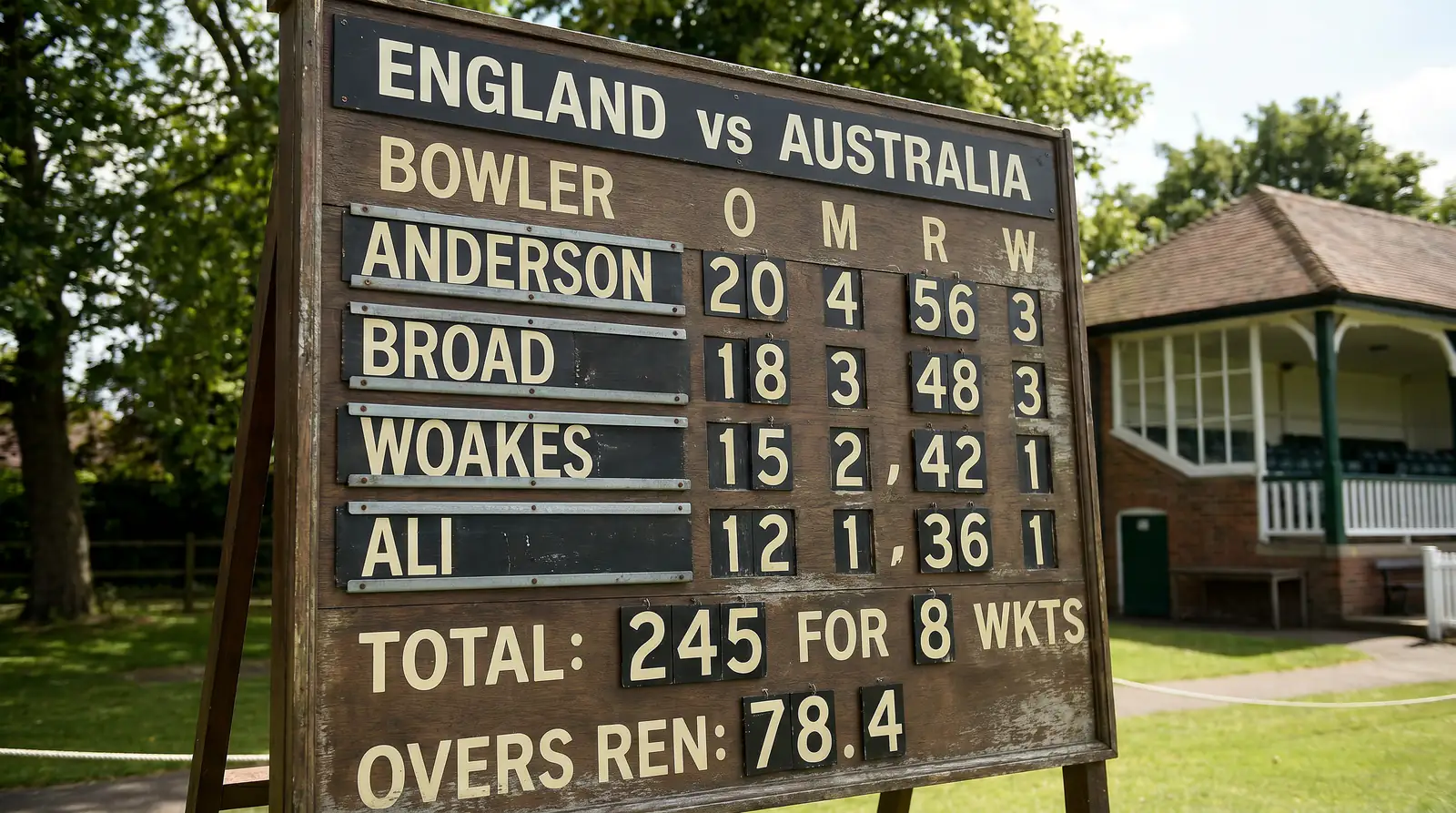
This clustering effect is something I explicitly account for in my staking. If I expect the top bowler in a T20 to take 2 wickets, and three bowlers in the side are capable of taking 2, the dead heat probability is high. The effective odds on each of those bowlers are lower than the published price by a factor that depends on how many might tie. A price of 4/1 that carries a one-in-three dead heat risk has an effective expected value closer to a 4/3 winner than a clean 4/1.
In Test matches, dead heats are less frequent because the higher total of wickets available (20 per side, 40 per match) creates more separation between contenders. A bowler who takes 5 wickets in a match is less likely to be tied than a T20 bowler who takes 2. For that reason, I find the Test match top bowler market offers cleaner expected value and more decisive outcomes. For a detailed companion to this piece covering the batting equivalent, top batsman betting covers the run-scoring side of player performance markets.
Articles
Prepared by the cricketbettingwebsites.com editorial staff.
