

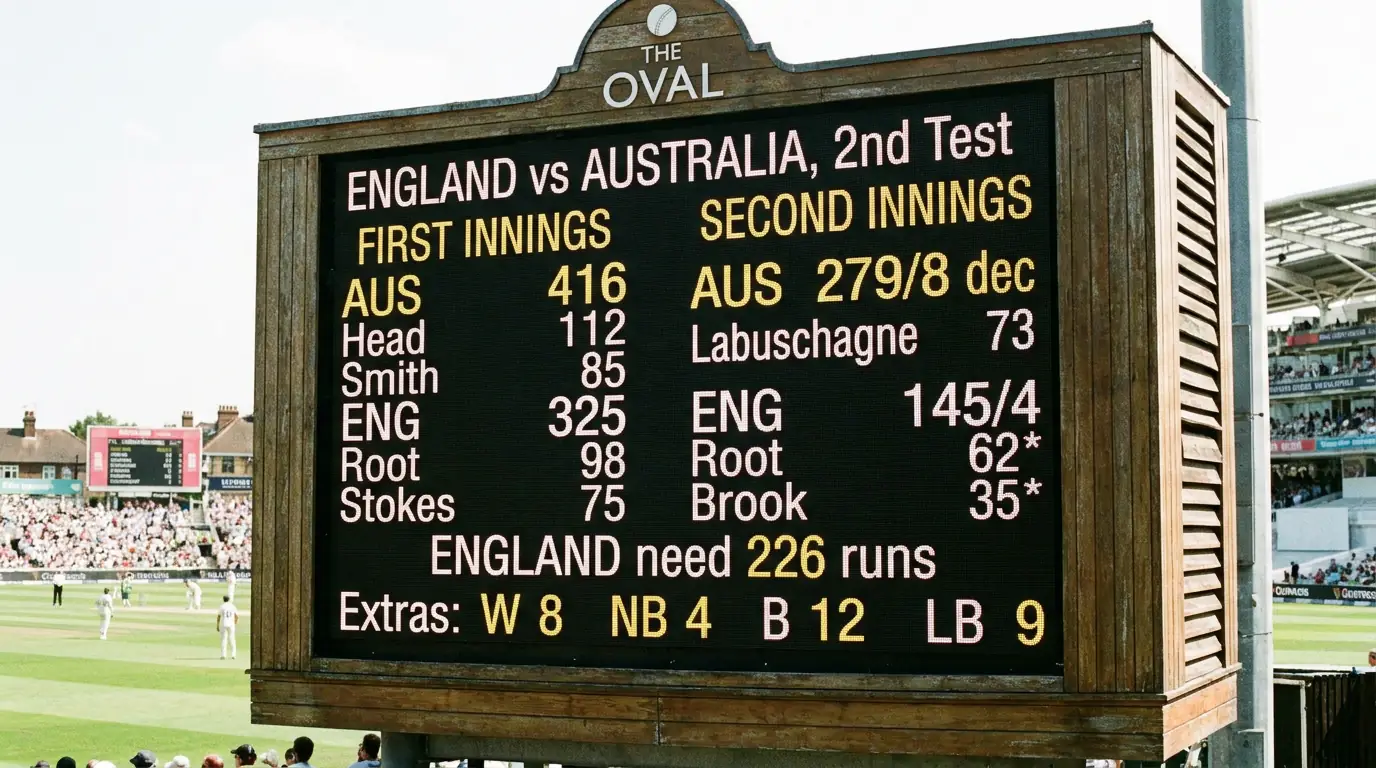
The UK cricket betting market generates approximately 52 million pounds annually, and a meaningful portion of that flows through totals markets — the over/under lines that bookmakers set for runs scored in an innings, a match, or a specific phase of play. Over/under betting strips the question down to its essence: will this match produce more or fewer runs than the bookmaker expects? You do not need to pick a winner. You do not need to identify the best player. You need to read conditions, venue, and matchup quality and decide whether the line is set too high or too low.
I find over/under markets more analytically pure than match-winner betting. When I back a team to win, I am making a relative judgment — Team A is better than Team B. When I bet on the total, I am making an absolute judgment about the playing environment. That distinction matters because conditions-based analysis is more reliable than form-based analysis in cricket. A pitch and a weather forecast are knowable. A team’s “form” is a narrative that may or may not survive contact with reality.
How Bookmakers Set Over/Under Lines in Cricket
The line-setting process starts with venue data. Every cricket ground has a scoring history — average first-innings totals, average match totals, historical distribution of high and low scores. Bookmakers feed this data into pricing models alongside team-specific variables: batting depth, bowling quality, recent scoring patterns, and squad composition for the specific fixture.
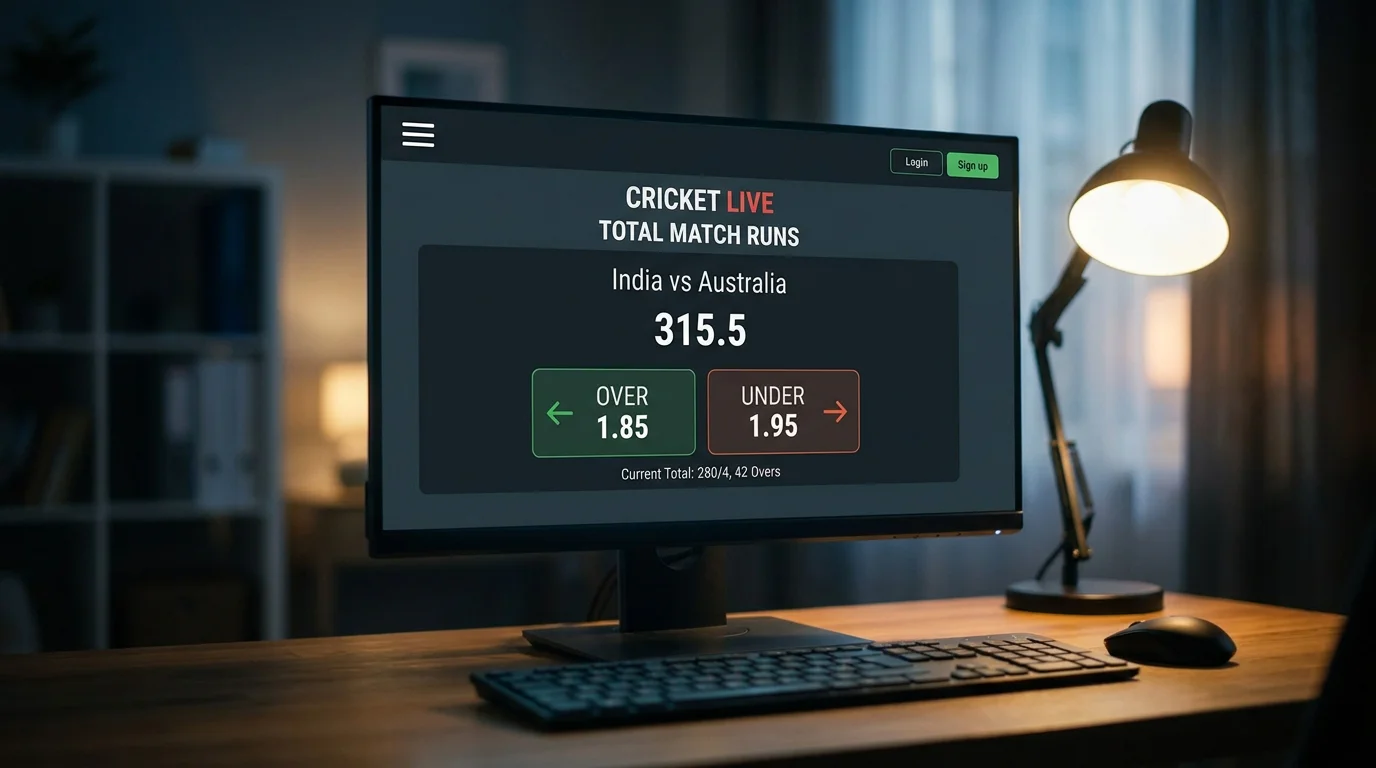
The resulting line is not a prediction of what will happen — it is a price designed to attract roughly equal money on both sides. If a bookmaker sets an ODI total at 285.5 and more money comes in on the over, the line moves to 287.5 or 290.5 to balance the book. That movement is information: it tells you where the betting public thinks the total will land, which may or may not align with your own analysis.
The half-point (285.5 rather than 285) eliminates the possibility of a push — a result that lands exactly on the line, which would void the bet. In cricket, where totals are always whole numbers, half-point lines force a decisive outcome on every bet. Some operators offer whole-number lines with push rules, but the half-point format is standard on most UK platforms.

Over/Under Lines Across Test, ODI, and T20
Live betting accounts for roughly 30% of all online sports wagers in the UK, and over/under markets are among the most actively traded in-play because the line shifts continuously as runs accumulate and wickets fall. The starting lines differ dramatically by format.
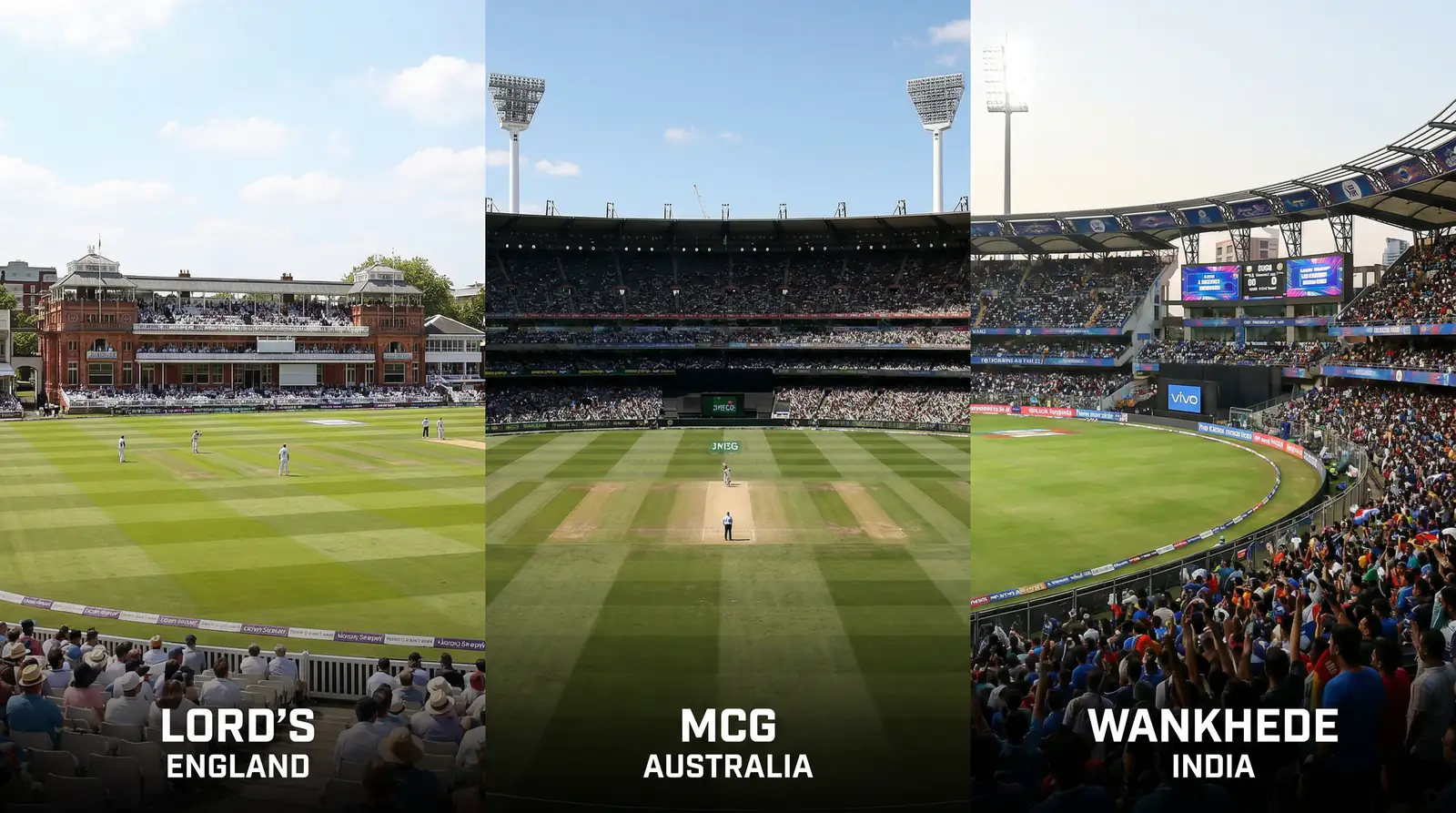
In T20 cricket, first-innings total lines typically range from 145 to 185, depending on the venue and teams involved. A flat pitch with short boundaries at a ground known for high scores pushes the line toward the upper end. A seam-friendly surface under clouds pulls it lower. The range of possible outcomes in a T20 innings — anywhere from 80 (a complete batting collapse) to 260-plus (a record-breaking assault) — makes the over/under inherently volatile, which is both the risk and the opportunity.
In ODIs, first-innings lines range from 240 to 320. The wider range reflects the greater number of overs (50 versus 20) and the increased impact of batting depth. A strong side batting first on a good surface might have a line at 310.5; a weaker side on a sporting pitch might face a line at 255.5. The ODI over/under is less volatile per delivery than T20 because each individual ball accounts for a smaller proportion of the total, but collapses in the middle overs can create sharp in-play movement.
In Test cricket, over/under lines are set for individual innings or for sessions rather than the entire match. A first-innings line of 350.5 or a session line of 85.5 runs captures the specific dynamics of multi-day cricket. Day-one lines tend to be lower because the pitch is fresh and bowlers have the most assistance; day-three and day-four lines on flat surfaces trend higher as the batting becomes easier.
What Pushes Cricket Run Totals Up or Down
The ICC’s Anti-Corruption Unit has noted that advancing technology and increasing popularity have led to a substantial increase in the amount and sophistication of betting on cricket. Over/under markets, with their continuous price movement and high trading volume, are central to that growth. Understanding what drives the totals up or down is the core skill of this market.

Pitch type is the primary driver. Hard, dry pitches with consistent bounce and true carry favour batting. Green, damp pitches with lateral movement favour bowling. Dusty, cracked pitches in the subcontinent favour spin and can produce either high scores (if the batting side is comfortable against spin) or collapses (if they are not). Reading the pitch — from photos, from the toss interview, from groundsman reports — before the match starts is the single most valuable input for over/under analysis.
Boundary size and outfield speed are secondary drivers. Small boundaries and fast outfields boost scoring because mishits and conventional shots find the rope more easily. Larger grounds and slow outfields suppress totals because batsmen must run harder for the same scoring opportunities. These factors are venue-specific and do not change between matches, which makes venue data a reliable baseline for setting your own mental line before comparing it to the bookmaker’s.

Weather conditions on the day affect the total through two mechanisms: swing and dew. Overcast skies and humid air help the ball swing, assisting bowlers and suppressing totals. Dew — moisture that settles on the outfield during evening matches — makes the ball harder to grip, reducing the effectiveness of spin and slower bowlers, which tends to inflate second-innings totals in day-night fixtures.
Alternative Totals: Boundaries, Sixes, and Extras
Beyond the headline run total, most UK bookmakers offer over/under markets on specific scoring categories. Total sixes is popular in T20 and ODI cricket, with lines typically set between 8.5 and 14.5 depending on the venue and teams. Total fours, total boundaries (fours plus sixes combined), and total extras are also available on well-stocked platforms.
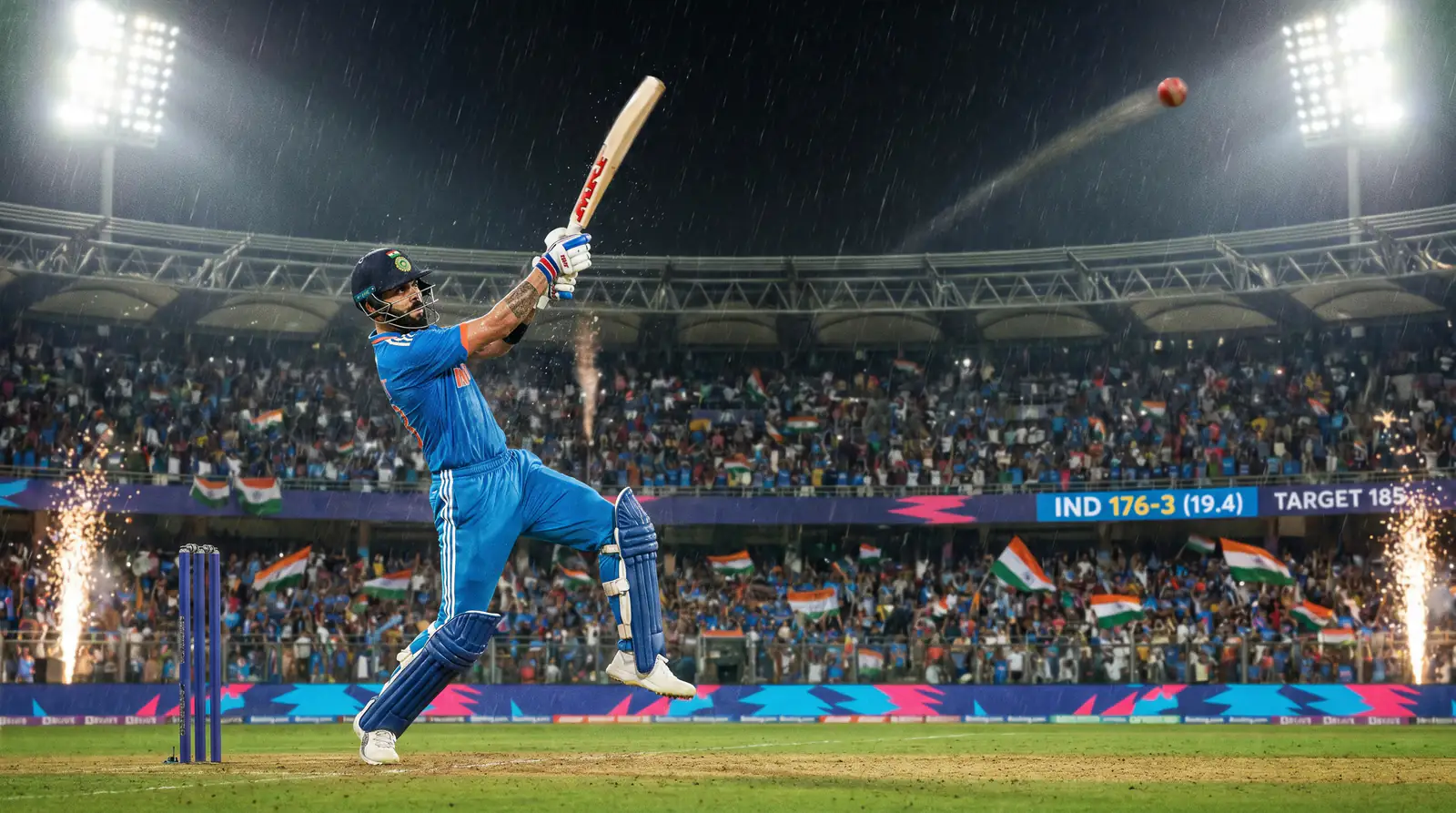
These alternative totals can carry value because they are priced with less analytical depth than the main run total. Bookmakers invest significant modelling effort in the headline over/under line, but the sixes market or the extras market may be set with simpler heuristics. If you track specific data points — average sixes per match at a venue, a team’s historical extras rate against certain bowling types — you may find lines that are meaningfully misaligned with the underlying data.
Powerplay runs over/under is a market I use specifically in T20 cricket. The first six overs have distinct dynamics: fielding restrictions, aggressive batting intent, new-ball swing. Powerplay totals tend to cluster in predictable ranges at specific venues, and the over/under line for this phase is often easier to assess than the full-innings total because the variables are fewer and more controllable. For a related look at how toss outcomes interact with conditions to affect scoring dynamics, cricket toss betting explores the decision that shapes the match from ball one.
Articles
Created by the "cricketbettingwebsites.com" editorial team.
