

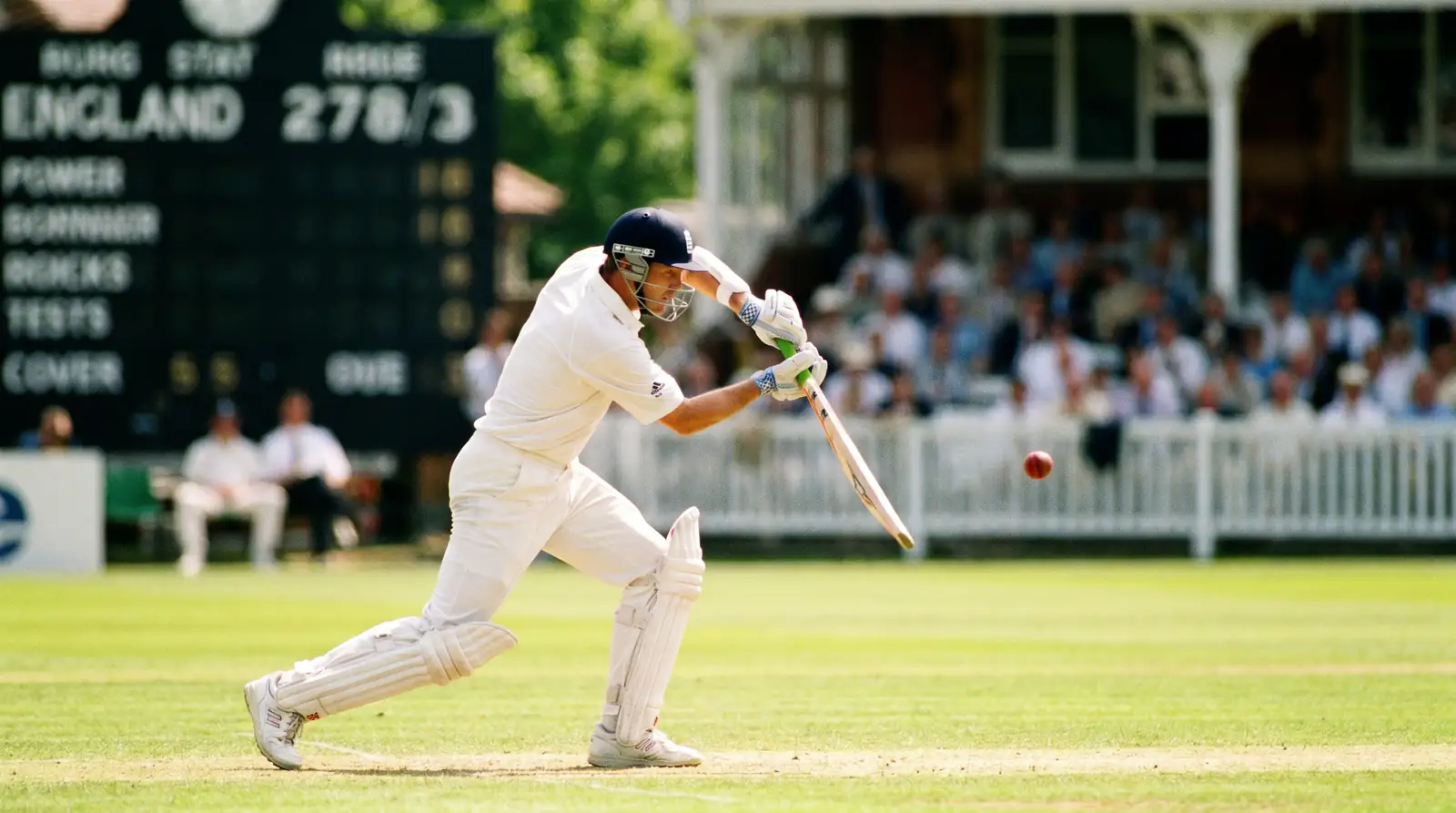
Cricket accounts for approximately 8% of global sports betting revenue, and a significant chunk of that flows through player performance markets. Top batsman — the bet on which player will score the most runs in a match or innings — is one of cricket’s most popular and analytically rewarding markets. It rewards knowledge of individual form, venue conditions, batting position, and opposition bowling attacks in a way that match-winner markets do not.
I remember my first top batsman bet vividly: I backed the star name at 3/1 without considering that he batted at number four and his team was chasing a modest total, which meant the openers could finish the job before he even walked out. The bet was dead before my selection padded up. That experience taught me that top batsman is not about backing the best player — it is about backing the player most likely to face enough deliveries, in favourable enough conditions, to outscore the field.
How Top Batsman Betting Works
The market is straightforward: you select the player you believe will score the most runs in the defined period, which can be the match, a specific innings, or a specific team’s innings depending on the operator and the format. All named players in the market are eligible, and the one with the highest individual score wins.
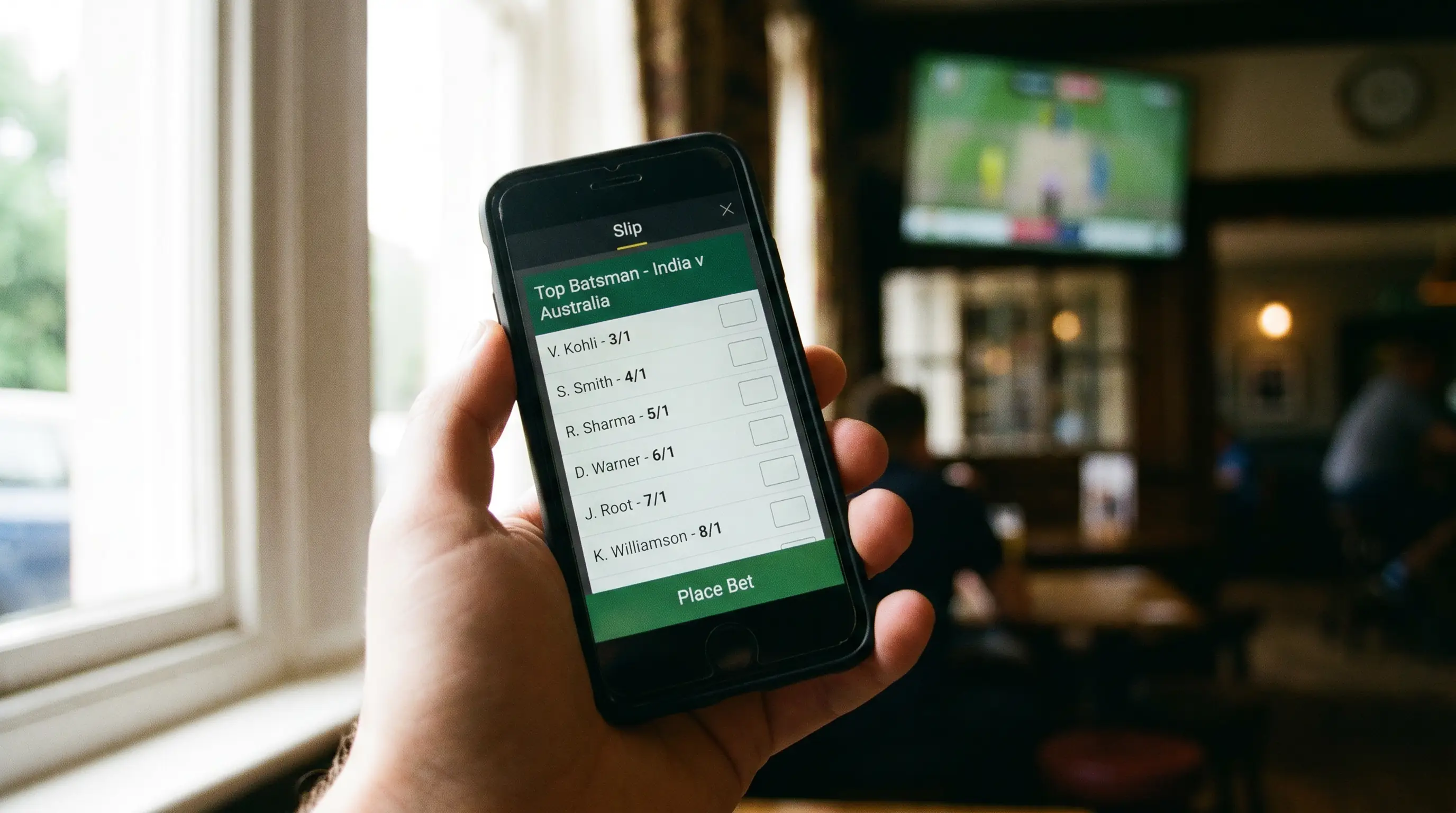
Pricing is determined by a combination of the player’s perceived quality, batting position, recent form, and historical performance at the venue. Openers and number-three batsmen typically carry shorter odds because they face more deliveries on average. Middle-order batsmen at five or six are longer because they may bat for fewer overs, especially in limited-overs cricket where run chases can be completed before the full batting order is needed.
The market usually includes all batsmen in the playing eleven, though some operators list only the top six or seven. Bowlers who bat at eight, nine, or ten are sometimes excluded or priced at very long odds. If a player is not in the starting eleven — named in the squad but not selected — bets on that player are voided on most platforms.
One critical detail: if your chosen batsman does not bat — because the innings ends before their turn — some operators void the bet, while others settle it as a loser. Knowing your operator’s settlement rules for this scenario is essential, particularly in T20 matches where a successful run chase may end at 120-2, leaving players at four, five, and six without an innings.
Top Batsman Across Test, ODI, and T20
About 15% of the UK population follows cricket with interest in international matches. The top batsman market behaves differently across formats, and understanding those differences shapes how I approach selection.
In Test matches, the top batsman market usually covers both innings. A player who scores 30 and 80 has a combined total of 110, which may beat a teammate who scored 90 and 10 for a total of 100. This two-innings structure favours consistent performers over single-innings heroes. Batsmen who are reliable rather than explosive — averaging 40-50 across conditions rather than delivering occasional centuries separated by failures — tend to outperform their odds in Test top batsman markets.
In ODIs, the market typically covers a single innings per side. Top-order batsmen dominate because they face the most deliveries. An opener who bats through 40 overs and scores 85 will often beat a middle-order player who smashes a quickfire 60 off 30 balls. The scorer of 85 faced more deliveries, occupied the crease longer, and had more opportunity to accumulate.
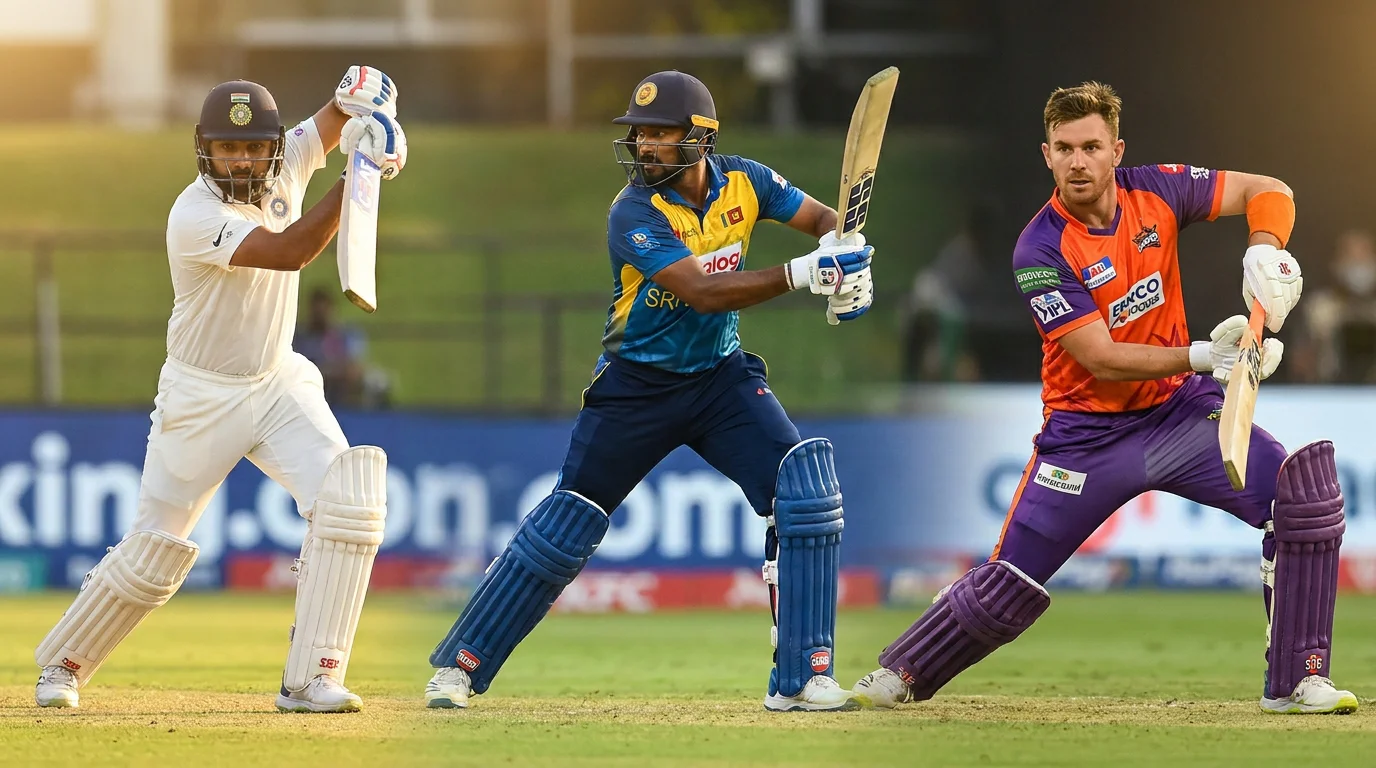
In T20, the dynamics invert slightly. Because innings are only 20 overs, aggressive batsmen who score quickly can outscore patient accumulators despite facing fewer balls. A power hitter who comes in at number four and blasts 55 off 25 deliveries can win the market against an opener who made 50 off 40. This volatility makes T20 top batsman markets less predictable but also less efficiently priced, because bookmakers’ models lean on career averages that do not always capture recent form or matchup-specific advantages.
Factors That Influence Top Batsman Outcomes
Batting position is the single most important variable. In limited-overs cricket, openers face the most balls and therefore have the most runway to score runs. In Test cricket, positions one through five all have substantial opportunity, but the number-three position is particularly interesting because the player arrives early enough to build a big innings but benefits from the new-ball pressure having been absorbed by the openers.

Venue scoring history matters more than most bettors appreciate. Some grounds consistently produce high individual scores — flat pitches with fast outfields and short boundaries reward stroke-making. Others are bowler-friendly, where top scores tend to be lower and the market is more open. I maintain a personal database of average top scores by venue for each format, and it directly informs which players I consider.

Opposition bowling attack is the third pillar. A top-order batsman facing a weakened bowling attack with no leading fast bowler has a higher probability of a big score than the same player facing a full-strength attack. Injury news, rotation policies, and squad announcements therefore affect top batsman pricing, and the market does not always adjust quickly enough when a key bowler is ruled out on the morning of the match.
Dead Heat Rules and Ties
Dead heats occur when two or more batsmen tie for the highest score. Most UK bookmakers apply dead heat rules: your winning bet is settled at half the normal payout if two players tie, a third if three tie, and so on. This means a winning bet at 5/1 in a two-way dead heat pays at 5/2 instead.
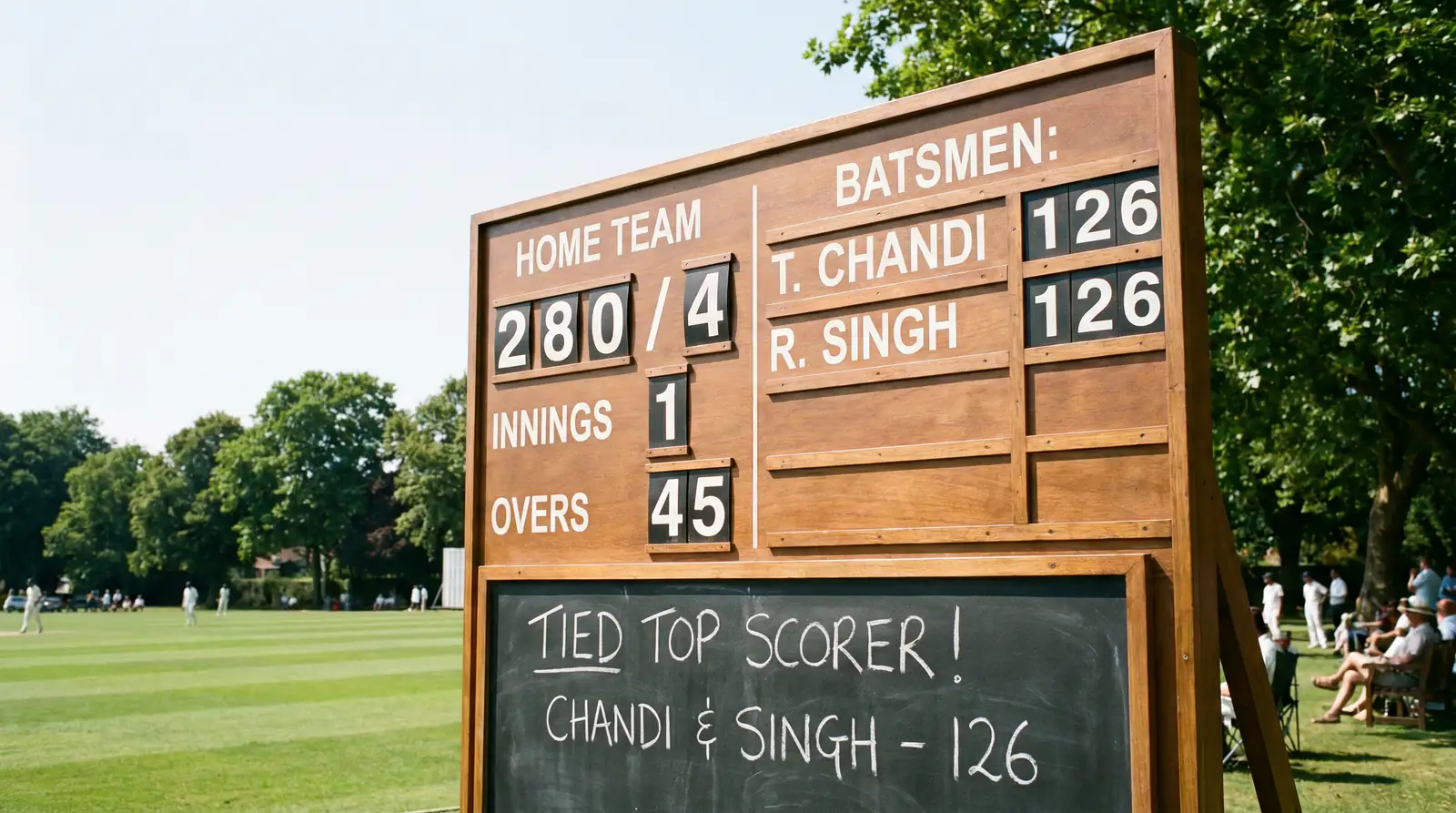
Dead heats are more common than most bettors expect, particularly in low-scoring matches where multiple batsmen score in the 30-40 range. I factor dead heat probability into my analysis by tracking how often top scores in a particular format and competition fall within common ranges. If the venue and conditions suggest top scores will cluster around 40-50, the dead heat risk is higher, and the effective odds on each contender are lower than the published price implies. For a parallel look at how the bowling equivalent of this market functions, top bowler betting explains the wicket-based version and its own set of dead heat dynamics.
Articles
Created by the "cricketbettingwebsites.com" editorial team.
