

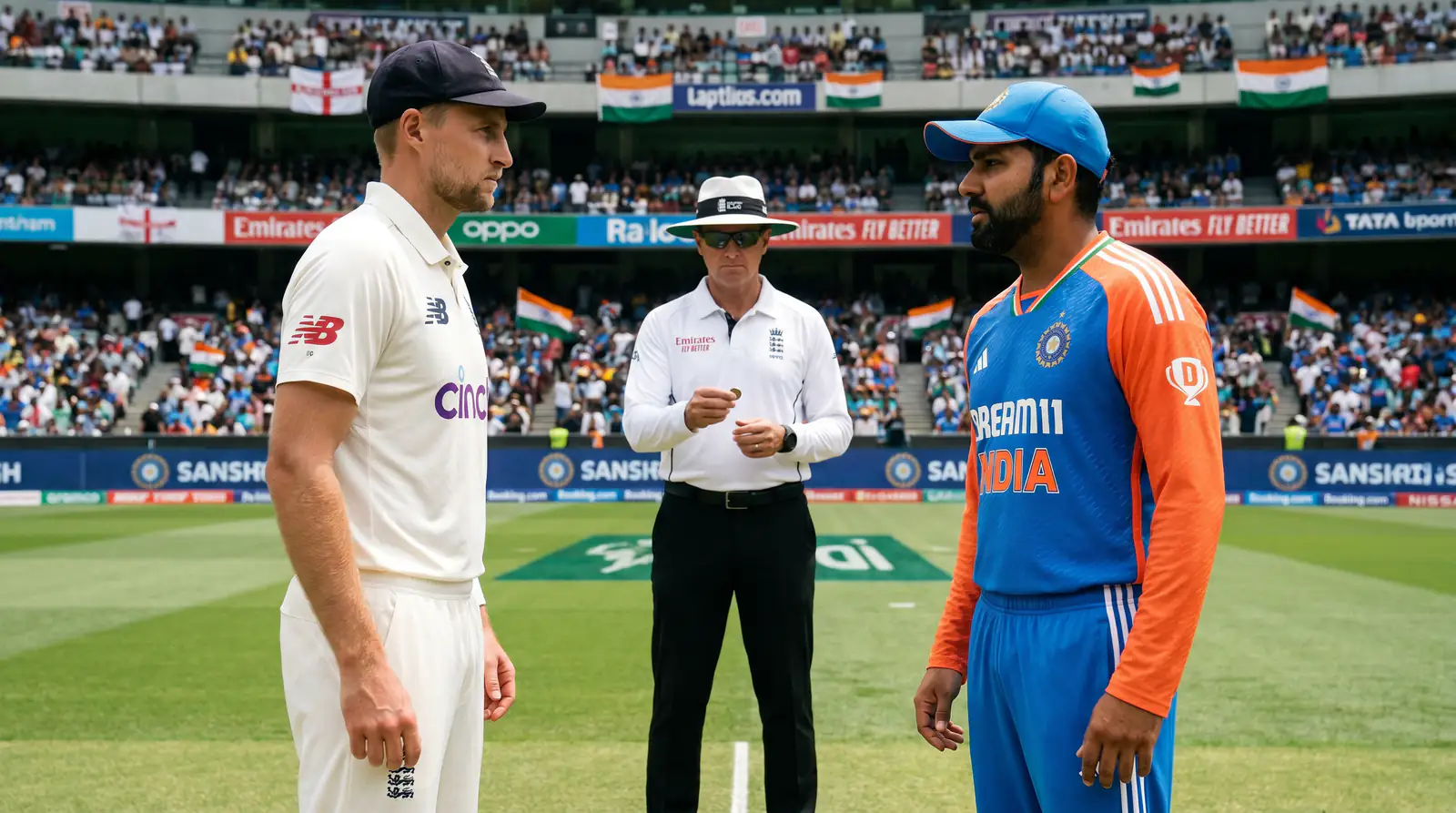
Thirty minutes before every cricket match, two captains walk to the middle of the pitch, and one of them flips a coin. It is the purest random event in sport — no skill, no preparation, no analytics. Just a coin, gravity, and chance. Yet UK bookmakers offer markets on this outcome, and bettors place real money on it. The question I have grappled with across nine years of cricket betting analysis is whether the toss market is ever worth engaging with, or whether it is the closest thing cricket betting offers to a roulette wheel.
The honest answer is nuanced. The toss itself is a 50/50 proposition — there is no informational edge to be gained on which side the coin lands. But the toss market is not priced at 50/50, and the decision that follows the toss (bat first or bowl first) has genuine consequences for the match outcome. Understanding that distinction is the key to deciding whether toss betting belongs in your cricket portfolio or whether it is entertainment dressed up as strategy.
How Cricket Toss Betting Works
Cricket accounts for approximately 8% of global sports betting revenue, and the toss market represents a sliver of that sliver. The market is straightforward: two outcomes, Team A wins the toss or Team B wins the toss. Each is a binary event with a true probability of exactly 50%.

Bookmakers price toss markets at odds that imply slightly more than 50% for each side, building in a margin. Typical pricing is 10/11 (implied probability 52.4%) on both sides, giving an overround of about 105%. That 5% margin is the bookmaker’s edge, and it means that over a large number of toss bets, you will lose approximately 5% of your staked amount regardless of which side you pick.

The mathematics are unforgiving. Unlike match-winner or totals markets, where analysis can identify mispricings that shift the odds in your favour, the toss has no inputs to analyse. No amount of studying a captain’s preferred toss call, or tracking historical toss results at a venue, changes the probability of the next coin landing heads or tails. Each toss is an independent event, and the probability is precisely 50%.
Some bettors claim patterns in toss results — “England have won the toss in six of their last eight matches at Lord’s” — but these are statistical noise. A sample of eight tosses is far too small to infer anything about underlying probability, and the coin does not remember previous results. This is the gambler’s fallacy applied to cricket, and it is as seductive as it is wrong.
Toss Odds: What the Prices Really Imply
If both sides are priced at 10/11, the implied combined probability is 104.8%. The overround is 4.8%, which is relatively tight by cricket betting standards — match-winner overrounds often exceed 106%. The tighter margin reflects the simplicity of the event: the bookmaker does not need sophisticated modelling to price a coin flip, so the margin is smaller.

Occasionally, bookmakers offer uneven toss odds — say, 4/5 on one side and evens on the other. This happens when the bookmaker receives disproportionate money on one side and adjusts the prices to balance their liability. It does not reflect any genuine difference in toss probability. If you see uneven toss odds, the longer-priced side is the better value purely because the price is closer to (or exceeds) the true 50% probability.
Some operators include the toss market as an option in bet builders. Combining “Team A wins the toss” with “Team A match winner” creates a two-leg builder that appeals to bettors who believe winning the toss and batting first (or bowling first) will lead to a match win. The correlation between these legs is real but weak — winning the toss provides a marginal advantage, not a decisive one — and the bet builder adjusts the combined odds to account for that correlation.
Does the Toss Actually Influence Match Outcomes?
This is where the toss becomes genuinely interesting from an analytical perspective. Live in-play cricket betting makes up between 55 and 60% of all cricket wagers in the UK, and the toss is the first event that shifts live odds. The moment the toss result and batting decision are announced, match-winner odds move — sometimes significantly.
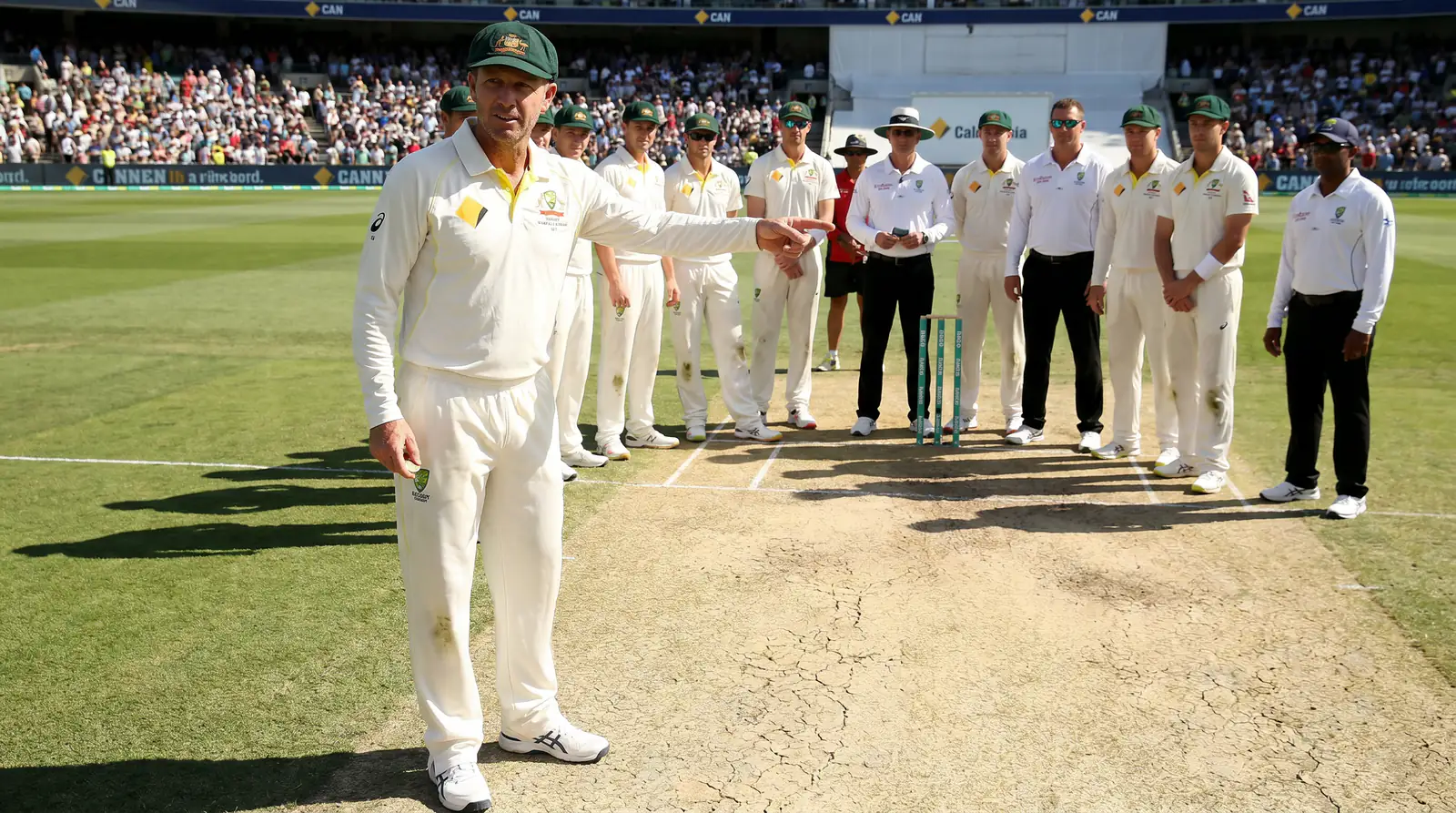
The toss advantage varies by format and venue. In Test cricket, winning the toss and batting first on a fresh pitch that is expected to deteriorate is a meaningful advantage — the team batting last faces the most difficult conditions. Research across thousands of Test matches shows that the toss winner has a statistically significant but modest advantage, particularly at venues where pitches deteriorate markedly (subcontinent grounds, in particular).

In T20 cricket, the toss advantage is smaller and more venue-dependent. At grounds where dew is a factor in evening matches, the side batting second benefits from a damp ball that is harder for bowlers to grip, making the toss winner (who can choose to bowl first) advantaged. At grounds without a dew factor, the toss advantage in T20 is negligible.
In ODIs, the toss advantage has diminished over the past decade as batting-second win rates have increased. Modern ODI cricket is a chasing game — sides batting second have access to clear targets, DLS adjustments, and batting-friendly conditions later in the day. Winning the toss in an ODI is less decisive than it was 15 years ago, and the match-winner odds reflect this with smaller post-toss movements.
Venue and Conditions as Toss Bet Context
If you are going to engage with the toss market at all, the only rational context is not the toss itself but the post-toss decision. Some bettors use the toss market as a hedge: they have a view on the match winner but are concerned that the toss decision will go against their thesis. By backing the opposing captain’s toss at 10/11, they create a small position that offsets the emotional frustration of a bad toss result — a psychological hedge rather than a mathematical one.

Others use the toss result as a trigger for in-play activity rather than a standalone bet. If Team A wins the toss and bowls first in conditions that favour batting, the bettor may see an opportunity to back Team B at enhanced match-winner odds, because the market overreacts to the toss decision in Team A’s favour. The toss itself is not the bet — it is the catalyst that creates the in-play opportunity.
My own approach is to avoid the toss market as a standalone bet entirely. The overround guarantees a long-term loss on a true 50/50 event, and no amount of analysis changes that arithmetic. Where I use the toss is as information: once the toss result and batting decision are known, I reassess my match-winner and totals positions in light of the conditions. That reassessment is where the toss adds value — not as a betting market, but as an informational input to other markets. For a broader view of how format-specific conditions shape wagering decisions, T20 cricket betting strategy covers the tactical dynamics that follow the toss in short-format matches.
Articles
Created by the "cricketbettingwebsites.com" editorial team.
