

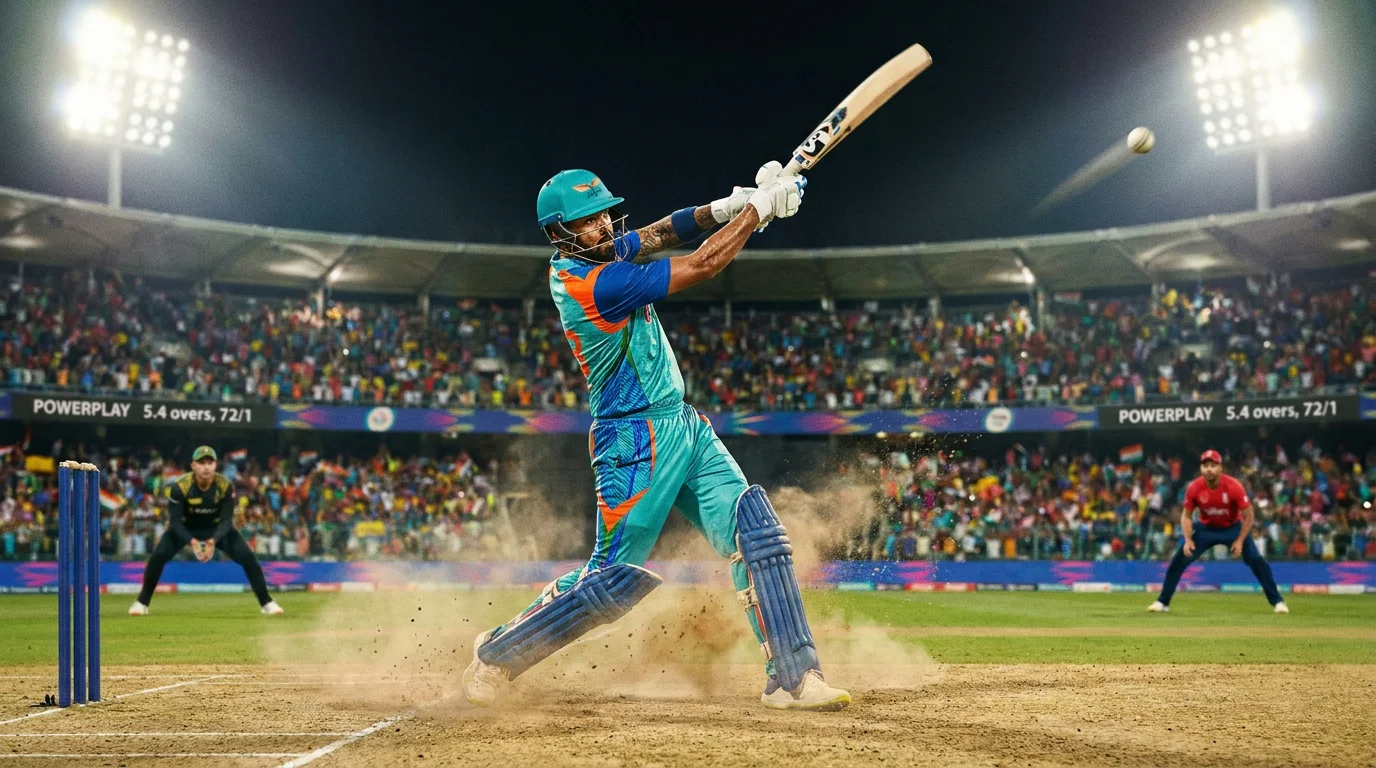
Around 15% of the UK population follows cricket and takes an active interest in T20 matches. That audience is growing, and so is the betting volume around the shortest international format. T20 is not just faster cricket — it is structurally different cricket, and the betting strategies that work in Test or ODI matches will lose you money if applied without adaptation.
I learned this the hard way during my first IPL season of serious wagering. I was applying Test-match logic — backing the side with the stronger bowling attack, weighting pitch conditions heavily — and my strike rate was dire. T20 rewards different instincts. The format compresses decisions into 40 overs of total play, and the margins between winning and losing bets are often decided in the space of two or three overs. Once I restructured my approach around the three distinct phases of a T20 innings, my results changed.
Powerplay Phase Betting Strategy
The first six overs of a T20 innings are played under powerplay restrictions — only two fielders are allowed outside the 30-yard circle. That rule creates an environment where boundaries flow more freely, but it also means wickets fall in clusters when batsmen take risks against the new ball. The interplay between aggression and vulnerability is what makes the powerplay the most volatile phase of any T20 innings, and volatility is where betting value lives.
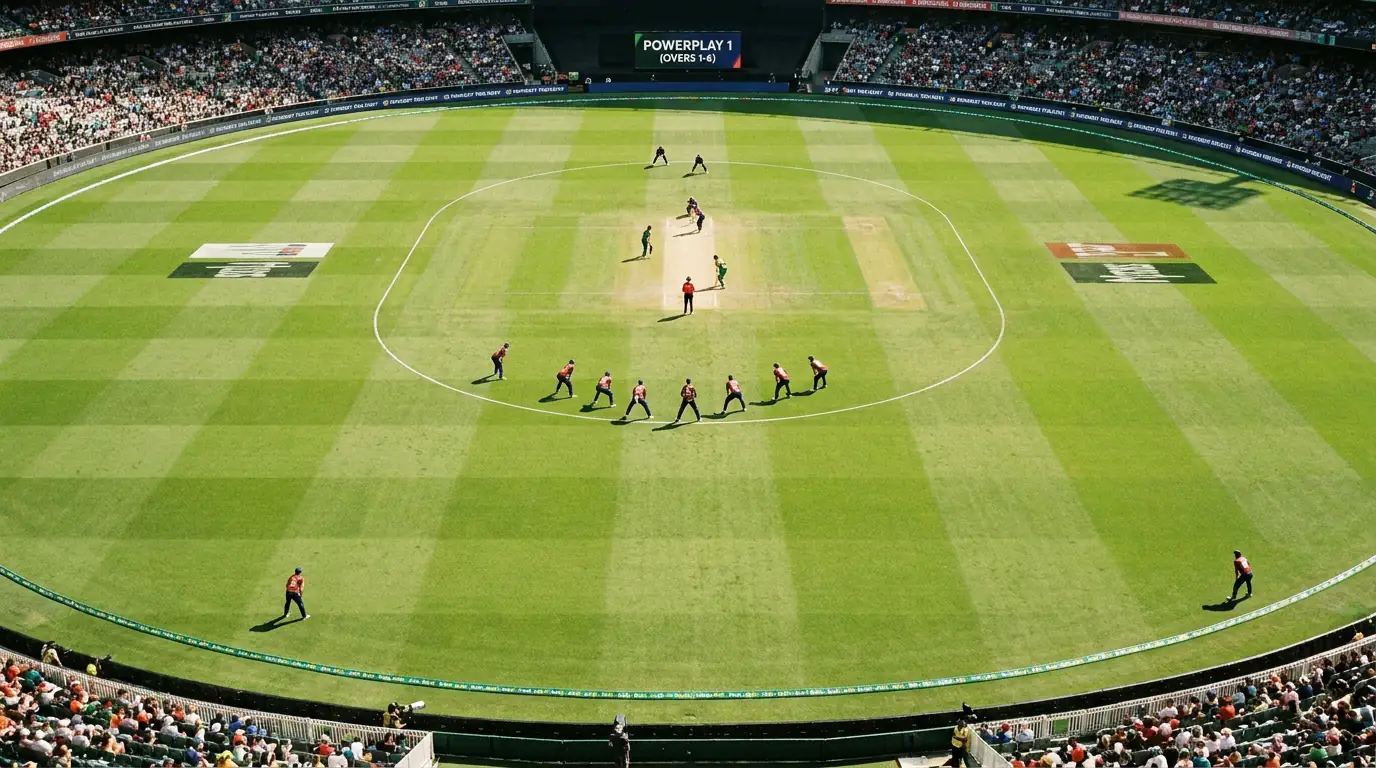
I focus on two markets during the powerplay: runs scored in the first six overs and wickets falling in the first six overs. The over/under line for powerplay runs typically sits between 42 and 50, depending on venue and conditions. Grounds with short boundaries and flat pitches — like the Chinnaswamy in Bangalore or Wankhede in Mumbai — push that line higher. Seamer-friendly venues or surfaces offering early-morning assistance push it lower.
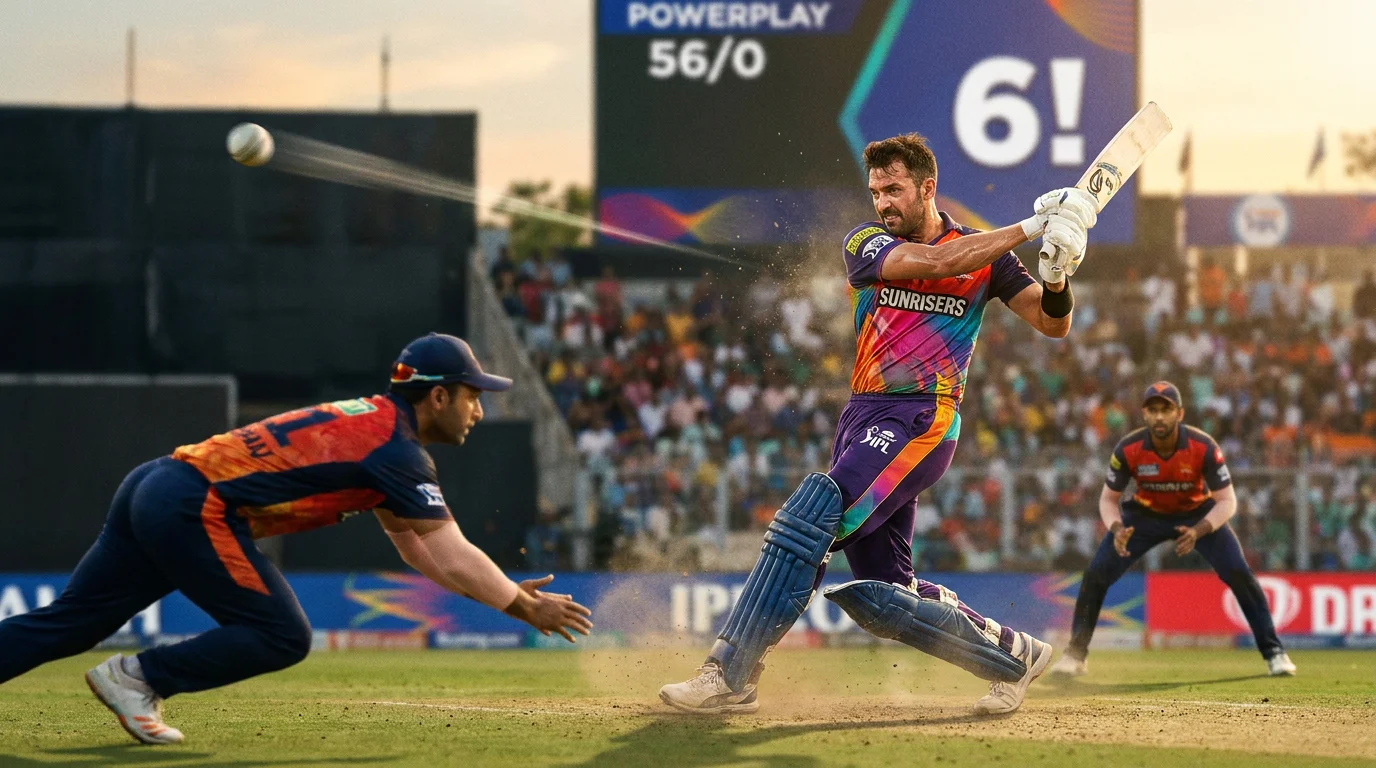
The key variable is the toss. In T20, the side batting first often takes a cautious approach to the powerplay, aiming to preserve wickets for a late assault. The side chasing has more information and tends to be more aggressive early. If a chasing side has a set target and a strong opening pair, the “over” on powerplay runs carries real value — but only if the line has not already adjusted for it. Watching how quickly the bookmaker moves the powerplay line after the toss is a habit worth developing.
Wickets in the powerplay is a market I find consistently underpriced when fast bowlers are operating with the new ball on green-tinged surfaces. Conditions that offer seam movement create a genuine tension between the batting side’s need for quick runs and the risk of early dismissals. Two wickets in the powerplay is not unusual in those conditions, and the price for “over 1.5 wickets” often offers value.
Middle Overs: The Value Window
Live in-play cricket betting accounts for between 55 and 60% of all cricket wagers placed by UK bettors. The middle overs — overs seven through fifteen — are where in-play value appears most consistently in T20 cricket, precisely because most casual bettors ignore this phase.
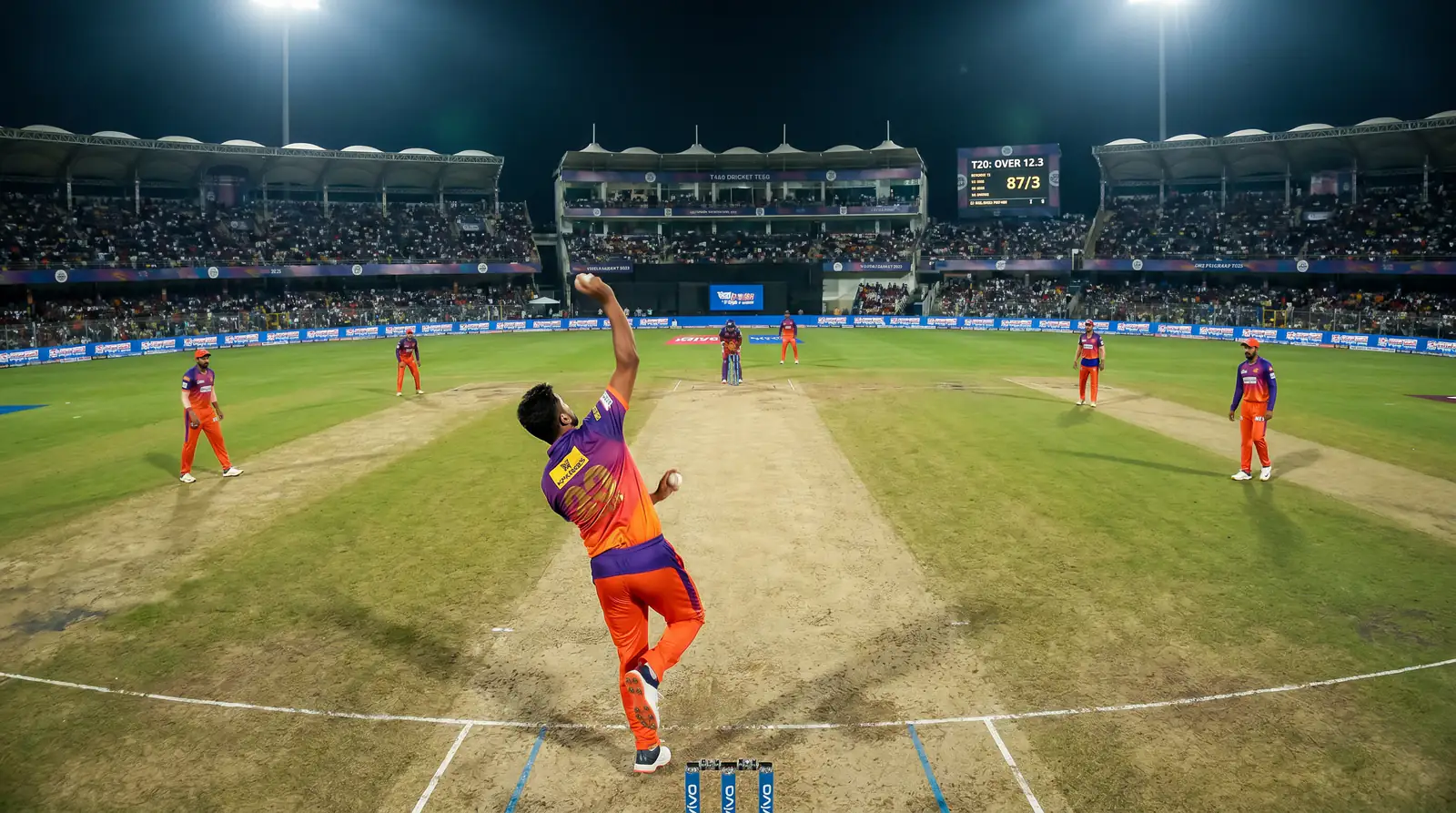
The middle overs are the consolidation phase. The batting side has typically lost one or two wickets in the powerplay and is now building a platform for the death-overs onslaught. Run rates tend to dip, and the match can feel like it is drifting. That drift creates pricing opportunities. If a batting side has scored 55 for 2 after the powerplay and the run rate slows in overs seven and eight, the match-winner odds on the bowling side often lengthen beyond what the situation warrants.
The reason is that run rates in the middle overs are less predictive of the final total than most bettors assume. A team scoring at six an over through the middle phase can easily accelerate to ten or twelve an over in the death overs if they have wickets in hand. The key metric is not the current run rate — it is wickets in hand. A side at 85 for 2 after twelve overs is in a stronger position than a side at 95 for 4, even though the second side has more runs. Betting markets do not always reflect this distinction, and that gap is exploitable.
Death Overs and Late-Match Markets
The final five overs of a T20 innings are where matches are won and lost — and where betting markets move fastest. The death overs are defined by calculated aggression from batsmen, the use of slower-ball variations by bowlers, and an escalation in scoring rate that can add 60 to 80 runs in the space of 30 deliveries. This phase rewards bettors who have watched the match develop and formed a view on which side has the momentum.
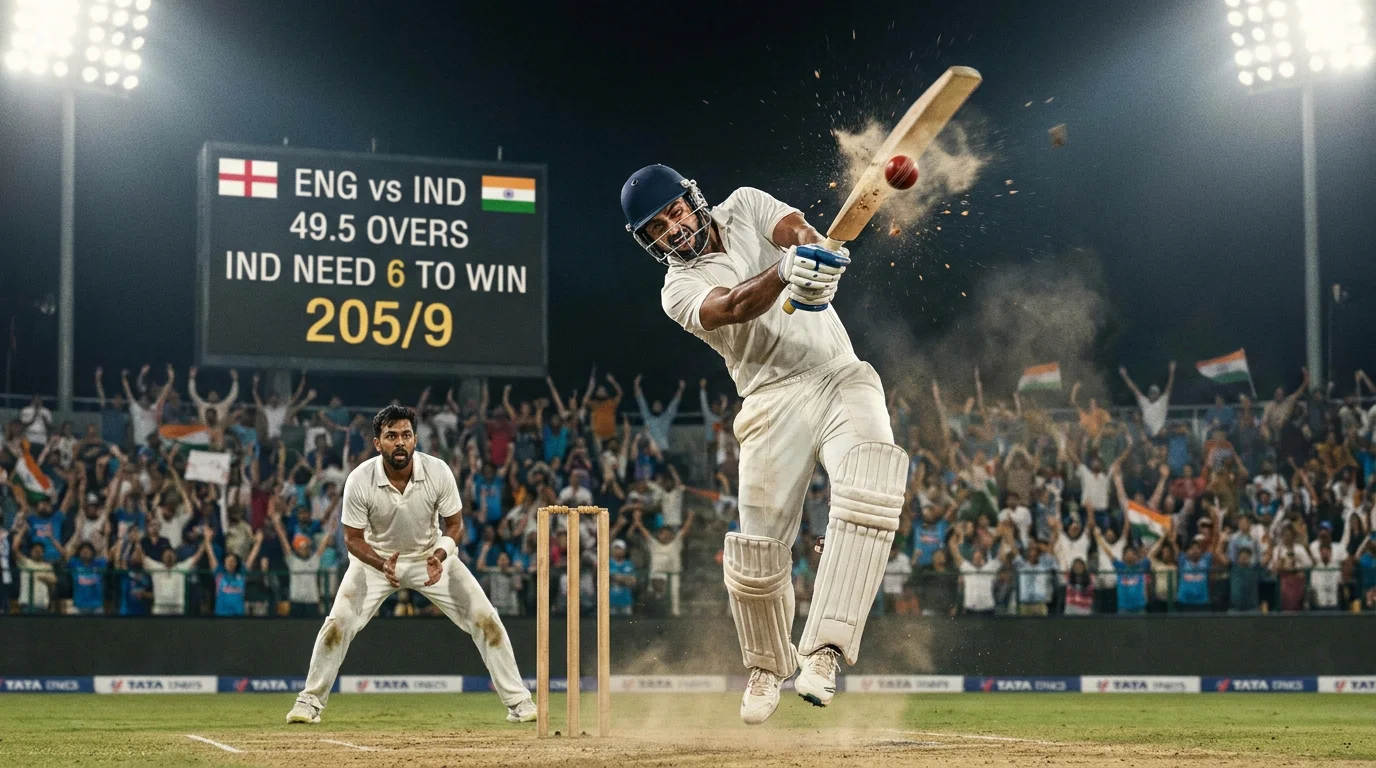
I pay close attention to who is bowling the death overs. Specialist death bowlers — the ones who consistently bowl yorkers, slower balls, and wide variations under pressure — are worth more to their side in this phase than any other player on the field. If I know a side has two reliable death bowlers, I am more inclined to back their total runs “under” or to take the bowling side on the match-winner market when chasing sides need 12 an over in the last five.

The “total sixes in the innings” market is particularly interesting in the death overs. Most sixes in a T20 innings are hit in the last five overs, and the market price for this total is set before the match begins. If the in-play line has not adjusted sufficiently during the innings, there is an opportunity to trade on the expectation that the six count will spike in the final phase.
One tactical consideration that separates experienced T20 bettors from beginners: do not chase live odds in the death overs. The markets move so quickly that by the time you have processed a wicket or boundary, the price has already adjusted. If you are going to bet in-play during the death overs, have a predetermined plan — a price at which you will enter the market and a scenario in which you will act — rather than reacting to events as they happen.
Key T20 Statistics for Bettors
The ICC’s Anti-Corruption Unit has noted that the rapid growth of mobile and in-play betting markets has increased exposure to corruption risks, particularly in associate-level competitions. That observation carries a practical implication for T20 bettors: stick to high-profile competitions with deep liquidity and transparent pricing. The IPL, The Hundred, the T20 Blast, and ICC events are all well-covered by UK bookmakers and attract enough betting volume to produce efficient odds.

The statistics that matter most for T20 pre-match analysis are venue-specific. Average first-innings total at the ground over the last two seasons tells you what a par score looks like. Win percentage for the chasing side tells you whether the toss is a significant advantage. Average powerplay score and middle-overs run rate at the venue tell you how to price the phase-specific markets. These numbers are publicly available and take ten minutes to compile for any fixture.
Player-level data adds another layer. Batting strike rates by phase — powerplay, middle overs, death overs — reveal whether a player is likely to contribute in the phase where you are placing your bet. A batsman with a death-overs strike rate of 180 is a different proposition from one who averages 120 in the same phase, even if their overall T20 averages look similar. Bowling economy rates by phase tell the same story from the other side. For a deeper look at specific T20 league wagering, IPL betting sites in the UK covers the world’s most-wagered T20 competition.
Articles
Created by the "cricketbettingwebsites.com" editorial team.
