

Among online sports bettors in the UK, 7.2% show levels of problem gambling when measured by the full Problem Gambling Severity Index — a figure from GambleAware and Bournemouth University research that lands harder than the broader population statistic of 0.5%. The difference between those two numbers tells a clear story: the general population includes millions who never gamble, while the subset of active online sports bettors faces materially higher risk. Cricket bettors are part of that subset, and the tools designed to manage that risk are available, effective, and underused.
I write about cricket betting for a living, and I would be dishonest if I pretended that responsible gambling is someone else’s concern. I have seen my own behaviour shift during Ashes summers when the daily match action creates a rhythm of wagering that can feel normal long after it has become excessive. The tools I describe here are tools I use — not as a theoretical exercise, but as part of how I manage a nine-year career in this space without it managing me.
Responsible Gambling Tools on UK Cricket Sites
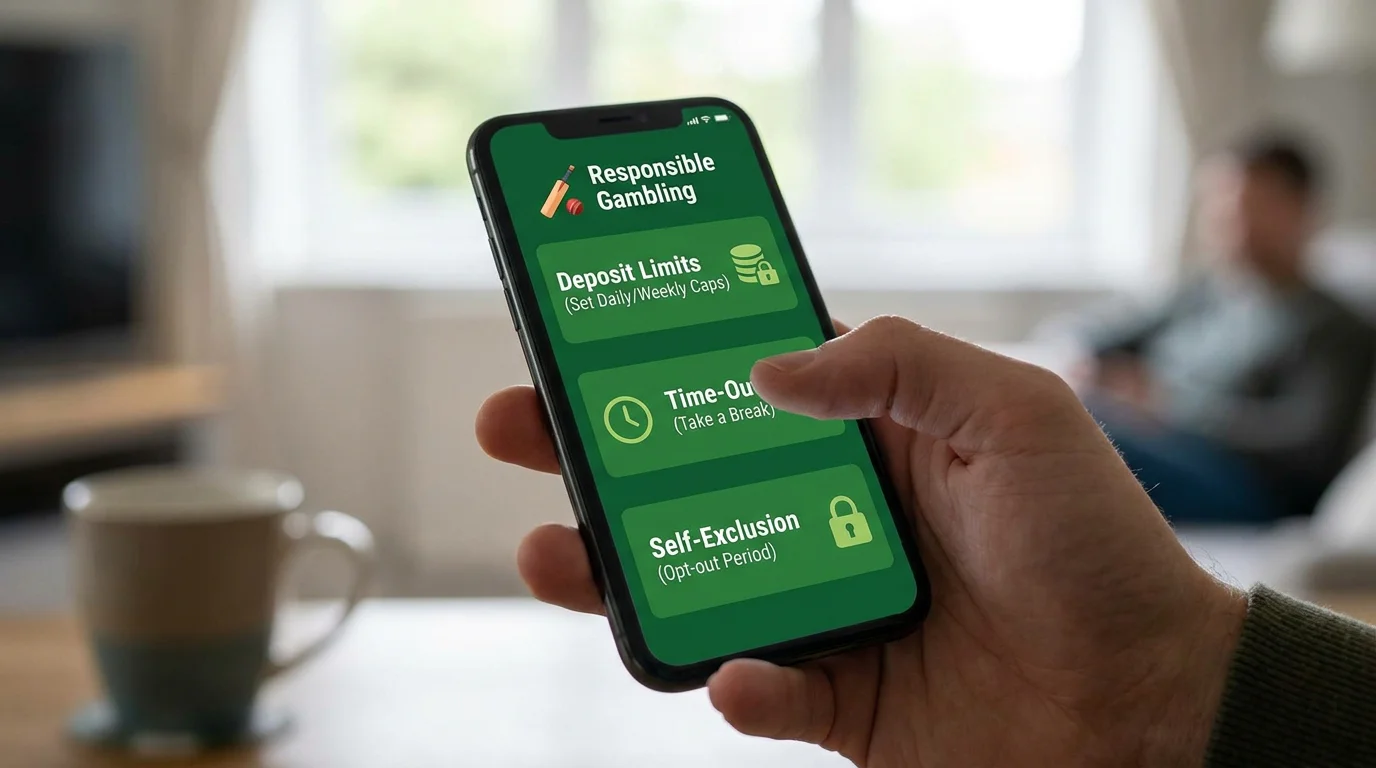
Every UKGC-licensed cricket betting site is required to offer a suite of responsible gambling tools. Deposit limits let you set a maximum amount you can deposit daily, weekly, or monthly. Once set, a deposit limit cannot be increased instantly — there is a mandatory cooling-off period, typically 24 to 72 hours, before any increase takes effect. Decreases take effect immediately. That asymmetry is deliberate: it is easier to reduce your exposure than to increase it, which protects against impulsive decisions made during losing runs or emotional moments.
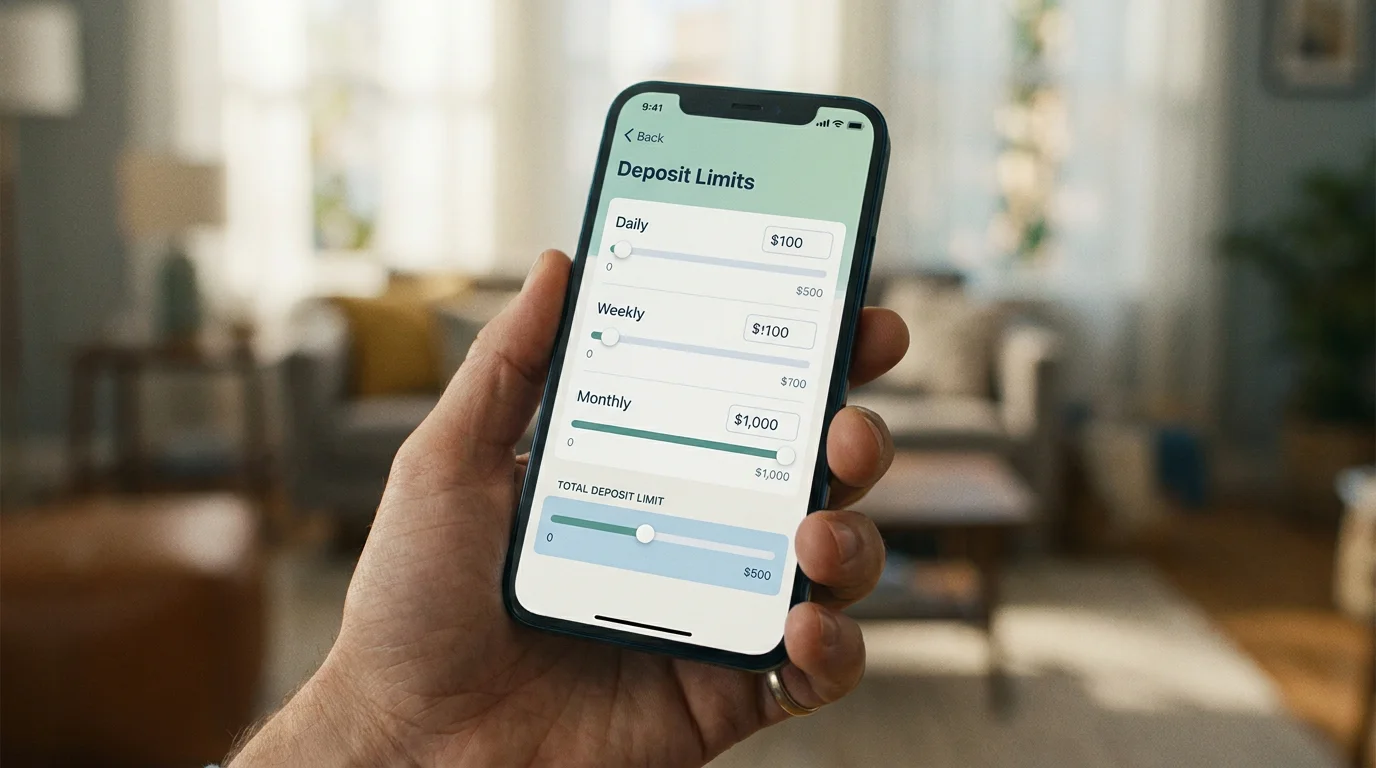
Loss limits operate similarly but cap the amount you can lose rather than deposit. Not all operators offer loss limits as a separate feature from deposit limits, but the best ones do. Session time limits alert you when you have been active on the platform for a set duration — typically 30, 60, or 90 minutes — and reality checks pop up at intervals to display how long you have been logged in and how much you have won or lost.
Time-outs allow you to temporarily exclude yourself from a platform for periods ranging from 24 hours to six weeks. During a time-out, you cannot log in, place bets, or deposit funds. I have used 48-hour time-outs twice — both times during periods when I noticed my staking had increased without a corresponding improvement in analysis. The enforced break reset my approach both times.

Account closure is the most definitive tool short of self-exclusion. Closing your account with an operator removes your access permanently (or semi-permanently, depending on the operator). It is a step beyond time-outs and worth considering if a specific platform’s cricket coverage or promotional emails are encouraging patterns you want to break.
Problem Gambling Rates Among UK Sports Bettors
The whistle-to-whistle advertising ban on gambling during live sport before 21:00 reduced the number of gambling advertisements seen by children by 97%, according to the Betting and Gaming Council. That policy change reflects a broader regulatory push to reduce exposure and harm, particularly among vulnerable groups. But advertising restrictions address one vector of risk; the underlying rates of problem gambling among active bettors remain the more pressing concern.
Zoë Osmond, who served as CEO of GambleAware until September 2025, stated that no form of gambling is completely without risk, but that certain types lead to increased chances of experiencing harm — harm that can affect finances, careers, relationships, and mental health. Online sports betting, including cricket, is among those higher-risk forms. The 7.2% problem gambling rate among online sports bettors contrasts with a 0.5% rate in the general population, and even the broader population figure, while low, represents hundreds of thousands of individuals.
Cricket betting carries specific risk factors. The sport’s long seasons — county cricket from April to September, international fixtures year-round, franchise leagues filling the gaps — create continuous opportunities to bet. Unlike football, which has a defined off-season, cricket offers a near-unbroken calendar. That continuity can make regular wagering feel like a natural accompaniment to following the sport, blurring the line between engagement and overexposure.
GamStop and Self-Exclusion for Cricket Bettors
GamStop is the UK’s national self-exclusion scheme. Registering with GamStop excludes you from all UKGC-licensed gambling websites and apps for a period you choose: six months, one year, or five years. The exclusion is comprehensive — it covers every licensed operator, not just one — and it cannot be reversed during the chosen period.

The process is straightforward. You register on the GamStop website with your personal details, and within 24 hours, all UKGC-licensed operators block your access. Any open bets are settled, and any remaining balance is returned to you. During the exclusion period, you will not receive marketing communications from licensed operators.
GamStop has limitations. It only covers UKGC-licensed operators, so unlicensed offshore sites are not included. It does not cover betting shops or in-person gambling — separate self-exclusion schemes exist for those. And it relies on accurate personal information; if you register with different details on a gambling site than those you used for GamStop, the system may not match and block you.
Despite those limitations, GamStop is the most effective tool available for someone who wants to take a complete break from online cricket betting. The fact that it is irreversible for the chosen period removes the temptation to undo the decision during a moment of weakness, which is precisely the scenario it is designed to prevent.
Where to Get Help
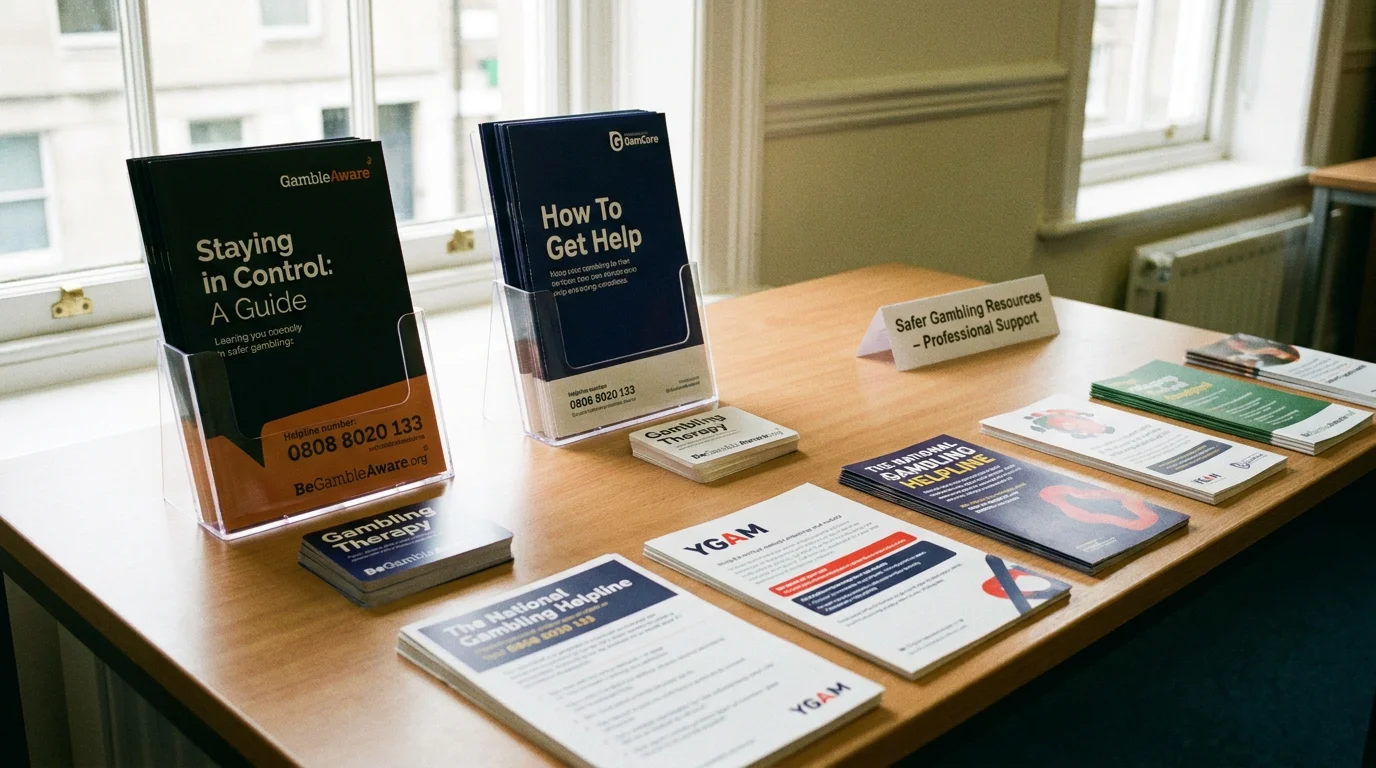
If you recognise that your cricket betting has moved from entertainment to compulsion, professional support is available. The National Gambling Helpline operates around the clock and provides confidential advice and referrals to treatment services. GamCare offers online chat support, forums, and a self-assessment tool that helps you evaluate your gambling behaviour against recognised criteria.

The NHS National Problem Gambling Clinic provides free, specialist treatment for problem gamblers in England. Referrals can come through your GP or through self-referral. Treatment options include cognitive behavioural therapy and other evidence-based approaches tailored to gambling-specific patterns of thought and behaviour.
For cricket bettors specifically, the seasonal rhythm of the sport means there are natural break points — between series, between tournaments, during the winter months when domestic cricket pauses. If you are considering taking a step back, aligning your break with the end of a cricket season can make the transition feel less abrupt. But if you need to stop now, the tools and services described above are designed to help you do exactly that, without waiting for a convenient moment. For the broader regulatory framework that underpins these protections, UKGC-licensed cricket betting sites covers what the licence guarantees for consumers.
Articles
Prepared by the cricketbettingwebsites.com editorial staff.
