

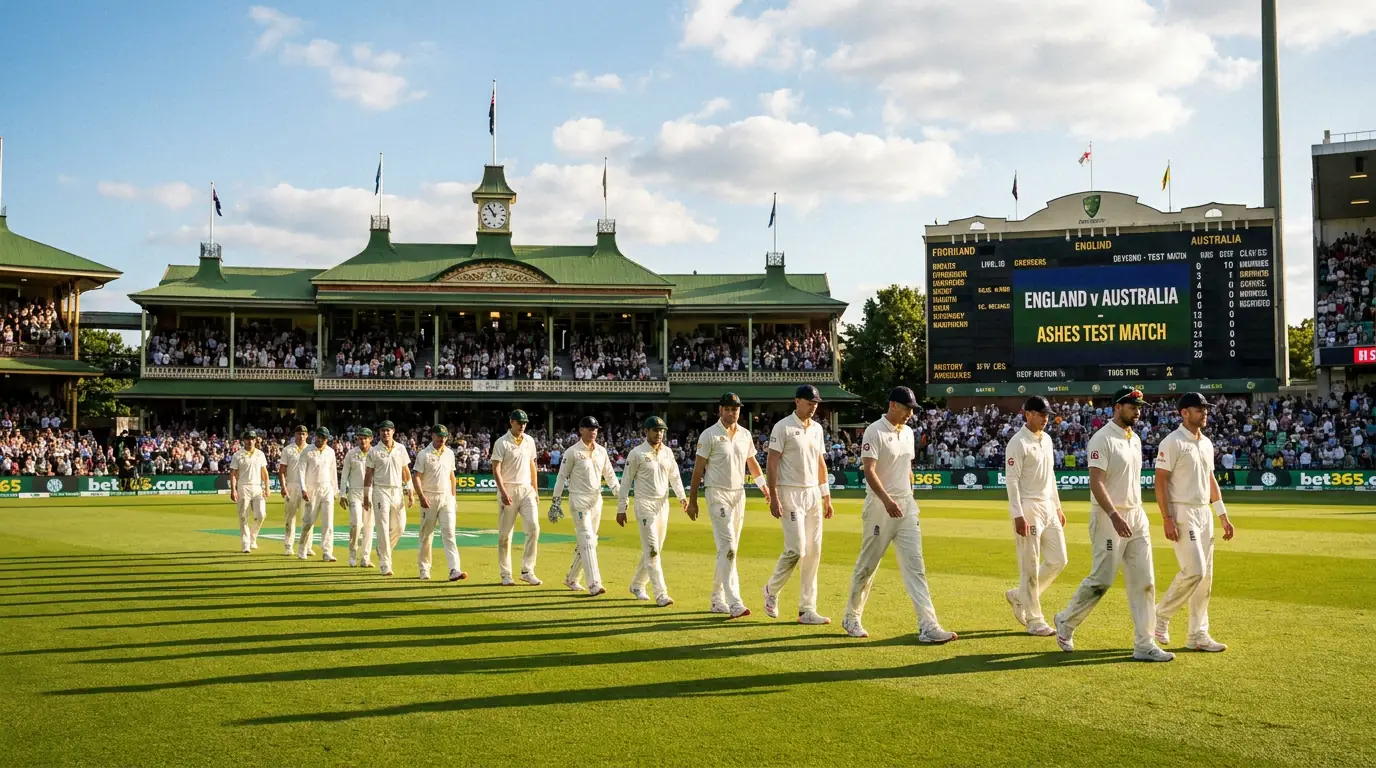
Five Test matches, played across six or seven weeks, with odds that shift dramatically between Brisbane sunshine and Birmingham drizzle. The Ashes is the one cricket betting event where patience matters more than speed, and where the bettor who waits for the right moment in the series often outperforms the one who locks in outright prices before the first ball.
I have been pricing Ashes series in my head since 2017, when an early Australia outright bet at a seemingly generous price evaporated after England’s batting collapsed in the first two Tests. That experience taught me that Ashes odds are not static numbers — they are living reflections of momentum, conditions, and squad confidence that evolve with every session. The UK cricket betting market generates approximately 52 million pounds annually across all formats, and a disproportionate share of that flows through Ashes summers when the series is played on home soil.
Ashes Series Winner Odds Explained
The series winner market is a three-way bet: England win, Australia win, or drawn series. That third outcome is what makes Ashes betting fundamentally different from most cricket wagering. In a five-match series, a 2-2 scoreline is not improbable — it has happened multiple times — and the drawn series price is where most of the overlooked value sits.
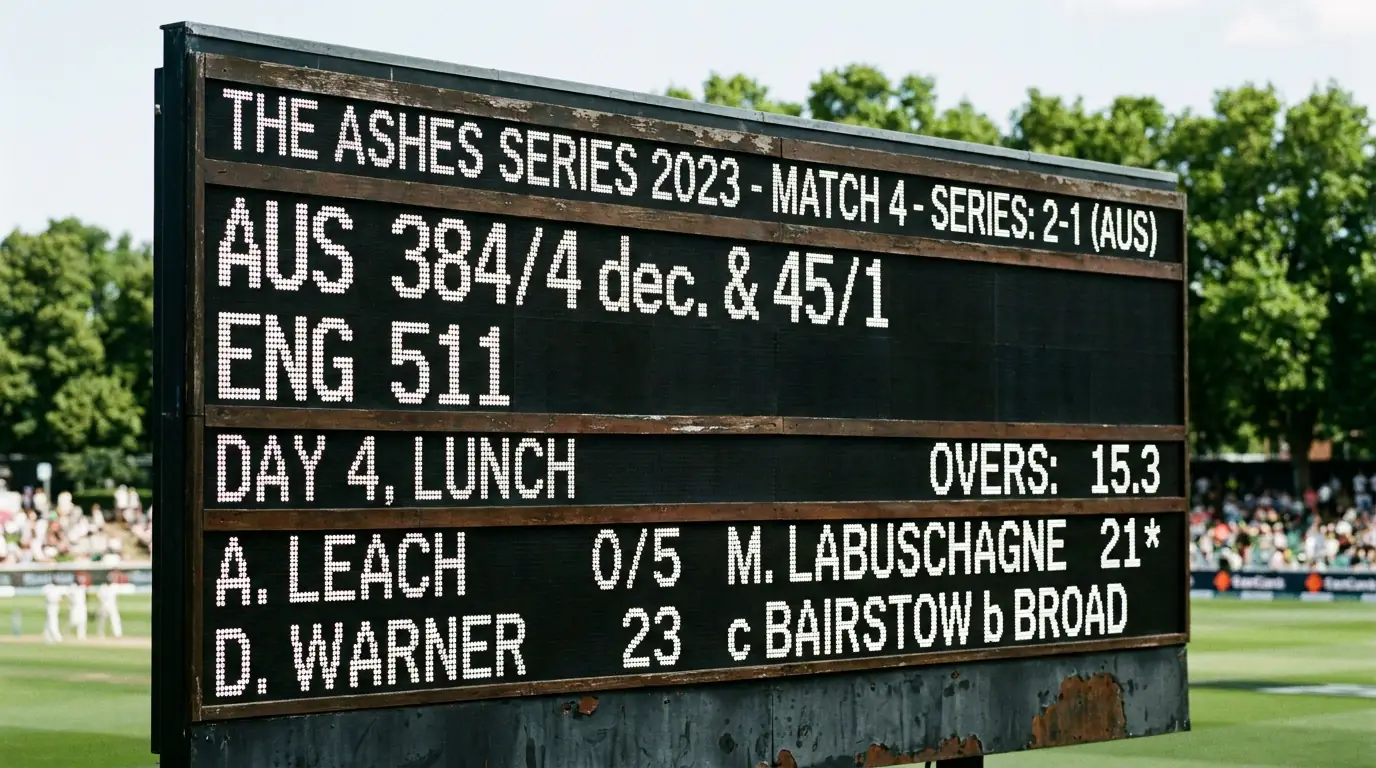
When bookmakers open Ashes outright markets, they typically price the home side as slight favourites, with the away side at longer odds and the drawn series at the longest. The logic is sound: home advantage in Test cricket is real and measurable. But the margins on these markets are often wide because liquidity is lower months before the series starts compared to the week before the first Test. I have found that the drawn series price tends to be most generous at the opening of the market, before it shortens as analysts begin weighing conditions and squad strength more carefully.
One pattern I track: if the first Test produces a draw, the series draw price contracts sharply. Bettors who took the opening price have already captured the value. Those who waited are paying a premium for the same outcome. The same dynamic works in reverse — if the first Test produces a dominant result, the winning side’s series price shortens to a level where there is almost no value left, even if four matches remain.
For the UK bettor, the Ashes is one of the few cricket events where outright markets stay active and liquid for weeks. That sustained liquidity means you can trade positions — taking a series winner bet early and hedging after two Tests if the momentum shifts — in a way that is simply not possible with shorter tournaments.
Betting on Individual Ashes Test Matches
Each Ashes Test is its own ecosystem. The pitch at Edgbaston behaves differently from the one at the Gabba, and those differences translate directly into how match odds are priced. Live betting accounts for roughly 30% of all online sports wagers in the UK, but for Ashes Tests, that figure is almost certainly higher because five-day matches offer dozens of natural inflection points — new batsmen arriving, weather interruptions, reverse swing appearing on day three — where in-play odds shift meaningfully.
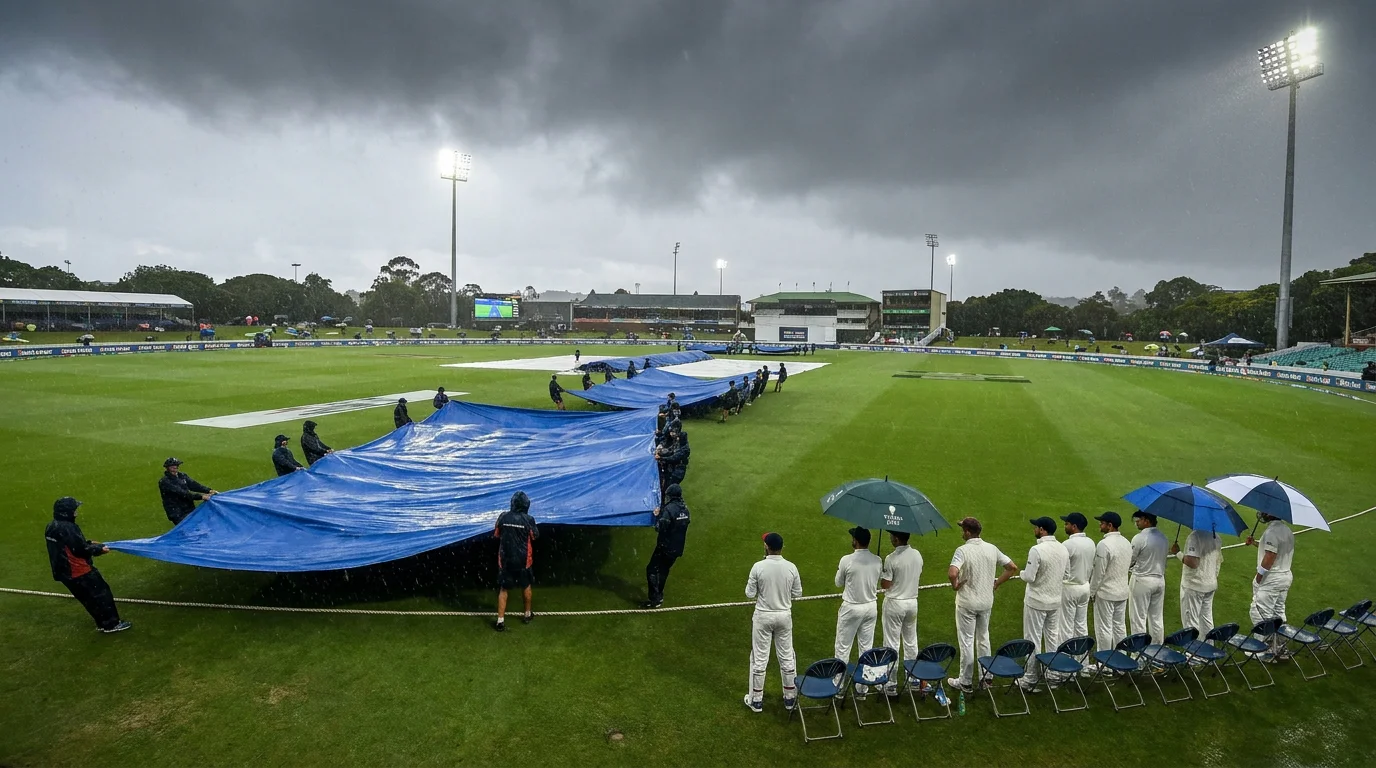
Individual Test match winner markets are three-way: home win, away win, draw. The draw is not filler — it is a genuine contender in most Ashes Tests, especially in England where rain and overcast conditions can eat into playing time. I treat the draw as my baseline assessment: if conditions and forecasts suggest a full five days of play on a good batting surface, the draw drifts and the win sides shorten. If rain is expected on two or more days, the draw becomes the anchor of my analysis.
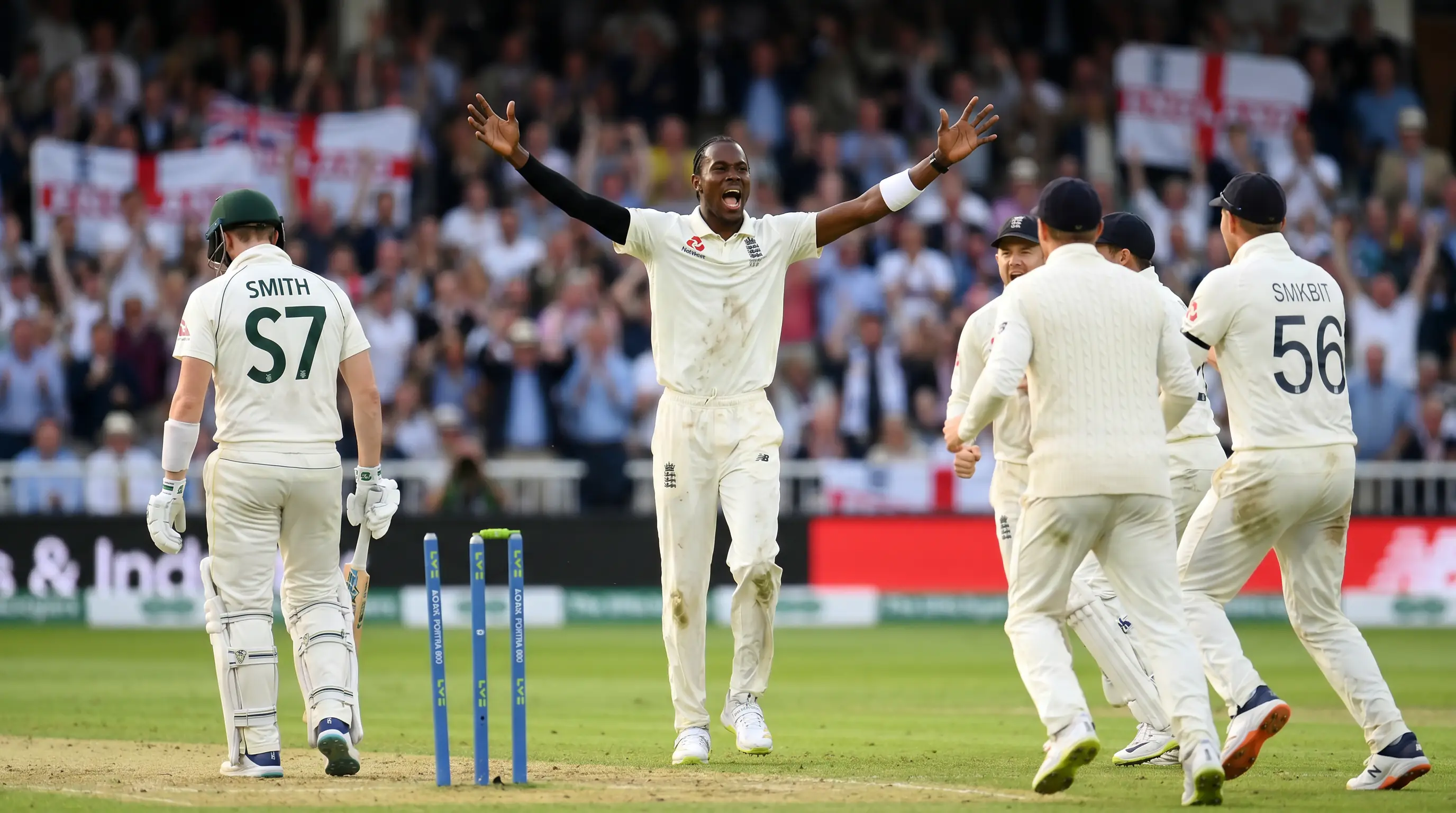
Player markets in individual Tests — top batsman, top bowler, man of the match — carry lower liquidity than the match winner, which means the odds can be less efficient. That inefficiency is opportunity. When a bowler suited to specific conditions (seam-friendly, spin-friendly) is not priced to reflect the venue, the top bowler market offers value that the match winner market has already absorbed.
Where Value Appears in Ashes Pricing
Last Ashes cycle, I spotted a pattern that I now look for in every series: the market overreacts to the result of the most recent Test. If England win the second Test convincingly, their price for the third Test shortens more than the performance warrants, especially if the venue shifts from a surface that suited them to one that does not. That overreaction creates a window where the opposing side or the draw offers value.
Another value zone is the top series batsman and bowler markets. These are outright markets that run across all five Tests, and they reward consistency rather than single-match brilliance. The pricing tends to favour big names — a marquee player will carry shorter odds than a less glamorous but equally productive teammate. Identifying the workhorse who bats at four and averages 45 in Ashes series, priced at 10/1 behind a flashier name at 5/1, is the kind of edge that compounds over multiple series.
Handicap betting is available for individual Tests and sometimes for the series. A +1.5 Test handicap on the underdog effectively means they just need to avoid losing the series 0-3 or worse. In closely matched Ashes contests, that handicap can carry surprisingly short odds, which tells you the market already considers the underdog competitive — but the raw series winner price does not always reflect that same assessment.
Historical Ashes Betting Trends
Ashes history is not just trivia — it is data. Home sides have won the majority of Ashes series over the past three decades, and that home advantage is baked into opening prices. But the magnitude of that advantage varies by era. In periods where one side is significantly stronger on paper, the home advantage is less decisive, and the away side can offer value at inflated odds.

Drawn series are more common than most casual punters assume. Since 2000, multiple Ashes have ended level, and the drawn series price has paid out at odds that were generous relative to the true probability. I keep a simple spreadsheet tracking Ashes series outcomes against the opening drawn-series prices, and the long-term return on backing the draw at opening prices has been positive — not dramatically so, but consistently enough to be part of my approach. For deeper analysis of how five-day cricket uniquely rewards patient bettors, Test match betting tips explores the format in detail.
Weather data is the most underused input in Ashes betting. A series played in an English summer with above-average rainfall projections fundamentally changes the probability distribution across all five Tests. Bettors who track Met Office forecasts alongside the odds have an informational edge over those who rely purely on squad assessments.
Articles
Created by the "cricketbettingwebsites.com" editorial team.
